








The global financial landscape faces a volatile Monday as U.S. airstrikes on three Iranian nuclear sites have reignited fears of a broader Middle East conflict, sending shockwaves through energy markets and investor sentiment.
💥 Geopolitical Flashpoint
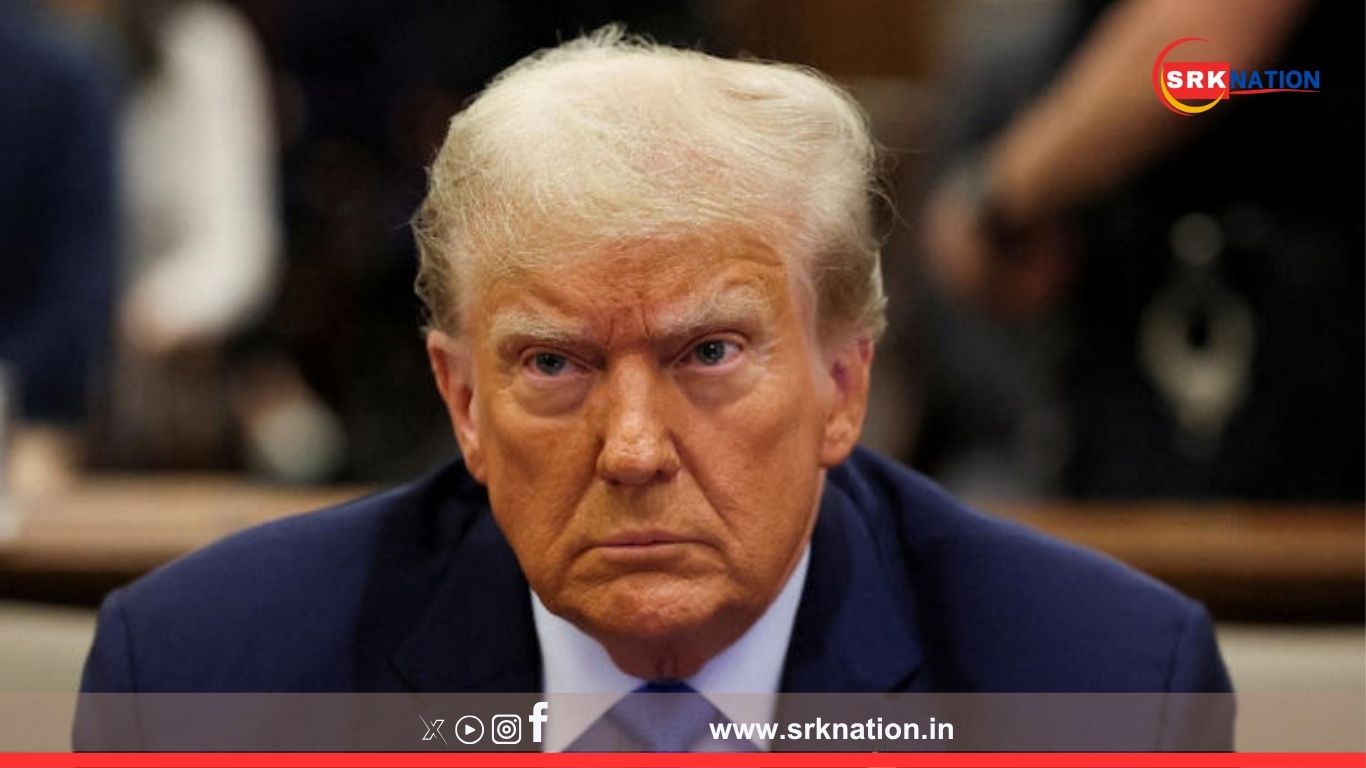
President Donald Trump confirmed the strikes as a “pressure tactic” to bring Tehran back to the negotiating table, but analysts warn the move could escalate into a wider confrontation. The Strait of Hormuz, a critical oil transit chokepoint, has been flagged as a high-risk zone, with shipping insurers doubling tanker rates and rerouting vessels.
“The risk premium on oil is back with a vengeance,” said Jorge Navarro, energy strategist at Saxon Markets. “If the Strait is compromised, $120 oil isn’t out of the question”.
📈 Market Fallout
- Brent crude futures surged nearly 18%, briefly touching $79 per barrel before settling around $77
- West Texas Intermediate (WTI) hovered near $75
- S&P 500 and Nasdaq closed lower Friday amid fears of inflation and war escalation
- Investors rushed to safe havens like the U.S. dollar and gold, driving up prices
🏦 Economic Implications
The spike in oil prices threatens to derail central banks’ plans to cut interest rates, potentially reigniting global inflation just as economies attempt to stabilize.
“Equities are on a knife’s edge,” warned Mona Kessler, portfolio manager at Trident Global.
🔮 What to Watch on Monday
- Oil price gaps at market open
- Iran’s potential retaliation and regional military responses
- Central bank reactions to inflationary pressures
- Investor sentiment in emerging markets and energy-dependent economies
Stay tuned for real-time updates as global markets react.