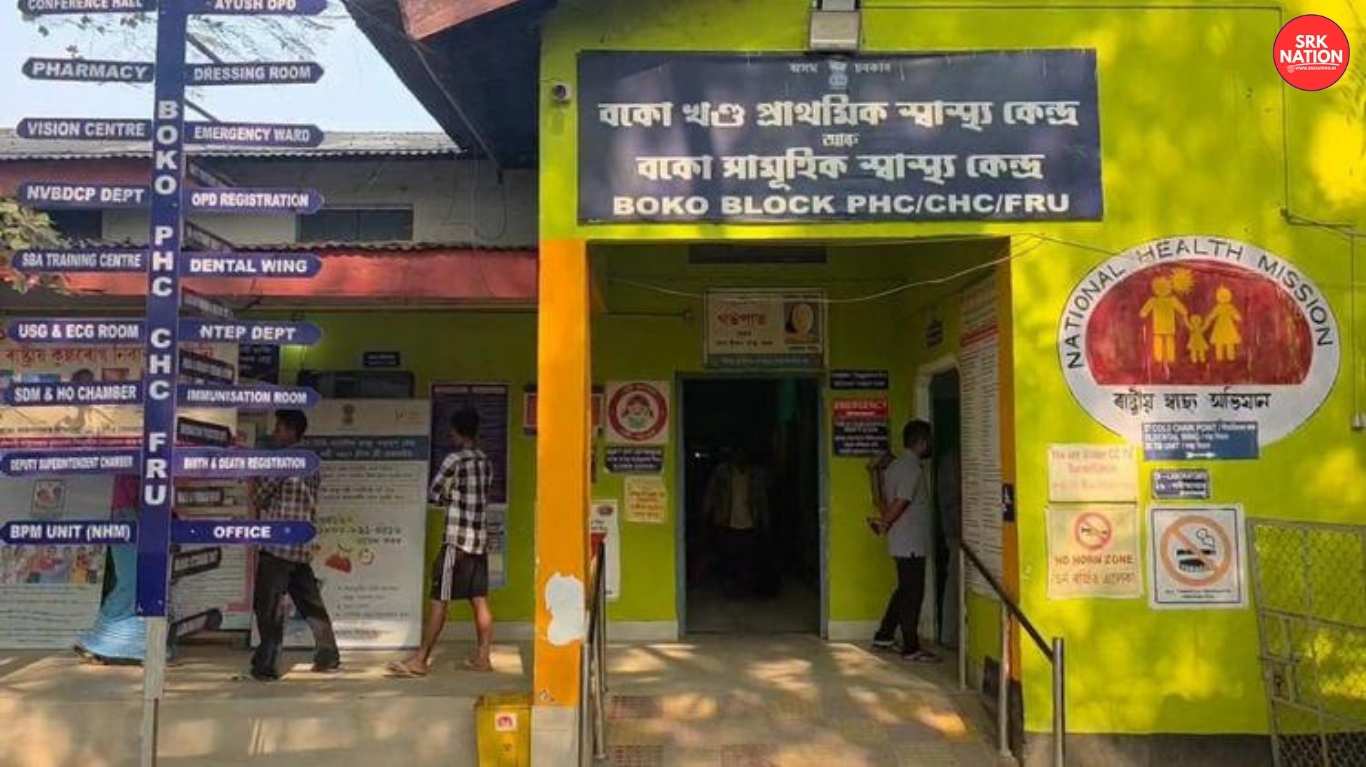






In a strong statement amid ongoing tensions over land eviction drives in Assam, Chief Minister Himanta Biswa Sarma has justified the government’s action to clear encroachments, asserting that state land must be freed for public welfare and development. He warned the All Assam Minority Students’ Union (AAMSU) of a “stern response” if it continues what he termed as “militant threats against the government.”
The Context: Eviction Drives Across Assam
Assam has witnessed a series of eviction drives targeting encroachments on government, forest, and grazing lands across districts like Nagaon, Hojai, and Barpeta. The drives have led to:
- Demolition of houses and madrassas in areas termed as ‘illegally occupied’.
- Protests by affected families, many of whom claim to have lived on the land for decades.
- Accusations by rights groups of targeting minority communities.
CM’s Justification
Speaking at an event in Guwahati, CM Sarma stated:
“We will continue our eviction drives. Those lands belong to the government, to indigenous people, and for development projects. Nobody should threaten the administration with militant language or else there will be stern legal action.”
He further added that eviction is essential to implement:
- Infrastructure and road projects stalled due to encroachments
- Flood mitigation and embankment strengthening works
- Educational and health infrastructure expansion
AAMSU’s Reaction And Warning
The All Assam Minority Students’ Union, representing large sections of Bengali-origin Muslims in the state, condemned the evictions. AAMSU leaders warned of mass agitation and protests if evictions continue without rehabilitation measures, stating:
“These actions are pushing people towards desperation. The government must remember it cannot continue oppression indefinitely.”
Some statements made by AAMSU leaders were described by the Chief Minister as “militant in tone”, prompting his warning of legal consequences.
Political Reactions Across Assam
| Party | Reaction |
|---|---|
| BJP (ruling) | Supported CM Sarma, calling eviction drives essential for state development and land rights of indigenous communities. |
| Congress | Criticised the government for inhumane execution of evictions without rehabilitation, warning of rising tensions. |
| AIUDF | Alleged communal targeting of Bengali-origin Muslims under the garb of eviction and development. |
Ground Realities From Eviction Sites
Reports from Barpeta and Nagaon revealed:
- Demolished homes, schools, and madrassas, leaving hundreds displaced.
- Families seeking shelter with relatives, mosques, or temporary camps.
- Lack of immediate alternative housing or compensation arrangements.
District administrations claimed eviction notices were served weeks in advance, but affected people said many notices were vague or sudden, leaving no time to shift belongings safely.
Legal And Human Rights Concerns
Rights groups and lawyers flagged potential violations under:
- The Assam Land Policy, which requires adequate notice and alternative arrangements before eviction.
- Supreme Court guidelines on humane evictions to prevent sudden homelessness.
The National Human Rights Commission has sought reports on select eviction operations in the state over the past year.
Assam Government’s Policy Stand
The Sarma-led government maintains that:
- Encroached lands are often essential for roads, highways, embankments, and schools.
- Settlements without formal land titles cannot be regularised indefinitely, especially in ecologically sensitive areas.
- Development projects benefit larger public interests, especially indigenous communities facing land scarcity.
Broader Socio-Political Context
The issue of land encroachment intersects with:
- Ethnic identity politics in Assam, where indigenous communities fear demographic marginalisation.
- Census-linked land surveys for resource mapping and settlement regularisation.
- The impending implementation of NRC (National Register of Citizens) policies, adding further anxiety among affected populations.
Key Timeline Of Recent Eviction Drives
| Date | District | Key Events |
|---|---|---|
| May 2025 | Barpeta | Eviction of over 200 families for embankment project |
| June 2025 | Nagaon | Demolition of houses near protected wetlands |
| July 2025 | Hojai | Eviction drive amid protests; AAMSU issues warnings |
Analysts’ View
Political analyst Wasbir Hussain noted:
“Land remains an emotive issue in Assam. Evictions carried out without proper rehabilitation will keep fueling social tensions, irrespective of the legal justification.”
Development economist Dr. Akhil Ranjan added:
“The challenge is balancing indigenous land rights, environmental concerns, and humanitarian responsibilities towards poor settlers.”
CM Sarma’s Firm Message To Protesters
The Chief Minister concluded his statement with a direct warning:
“We will not tolerate militant threats. The government will deal sternly with any attempts to disrupt law and order under the pretext of agitation.”
Future Course: Possible Scenarios
- Escalation of protests by AAMSU and allied organisations, leading to potential law and order challenges.
- Legal challenges in Gauhati High Court, seeking stays or compensation for evicted families.
- Political mobilisation by opposition parties, using the issue to target BJP’s governance in upcoming municipal elections.
Conclusion
The Assam eviction controversy underlines the state’s deep fault lines around land, identity, and development. While the government frames it as necessary for progress and indigenous rights, affected families and student unions view it as oppressive and communal in execution. As tensions rise, the need for balanced policy implementation with humane rehabilitation remains critical to avoid long-term social fragmentation.
Disclaimer
This news content is based on official statements, field reports, and expert opinions for journalistic purposes. Readers are advised to follow verified government releases, court rulings, and local administration notifications for precise legal and policy developments.