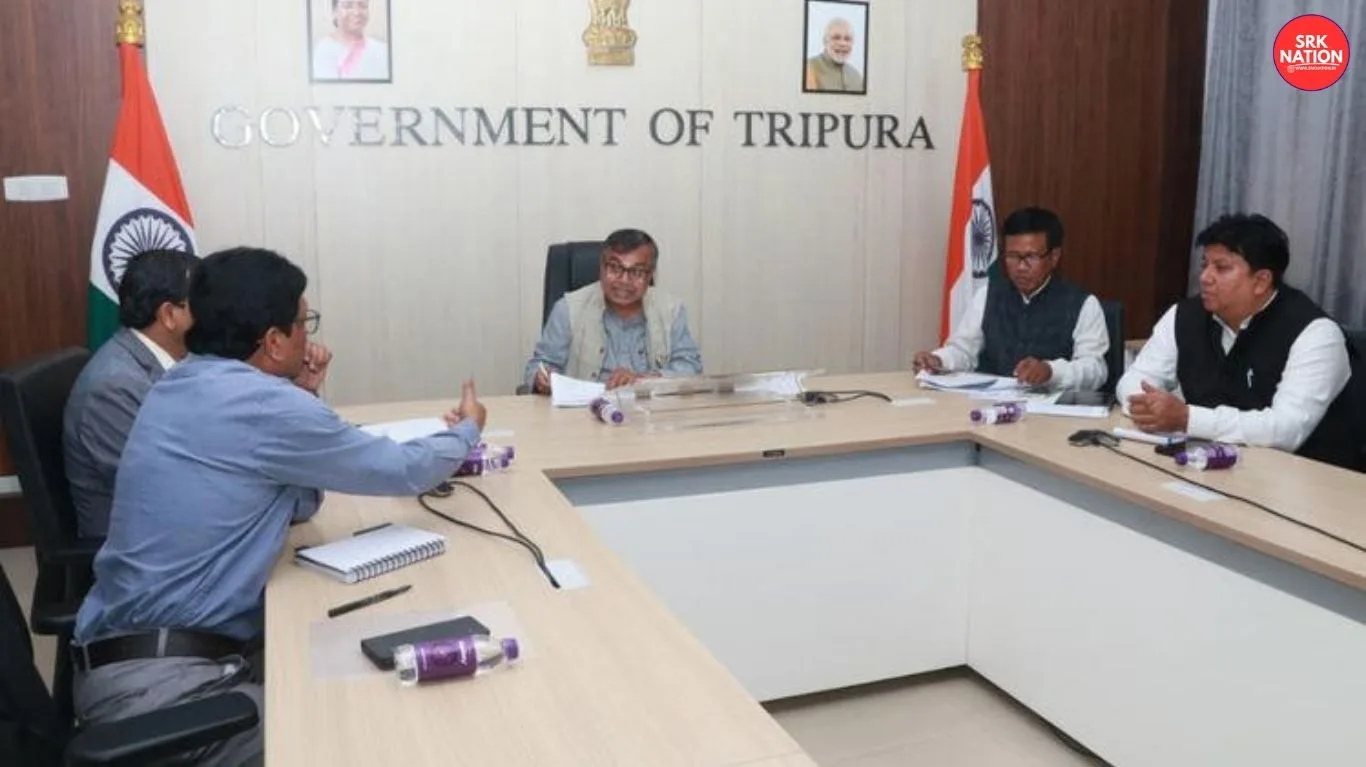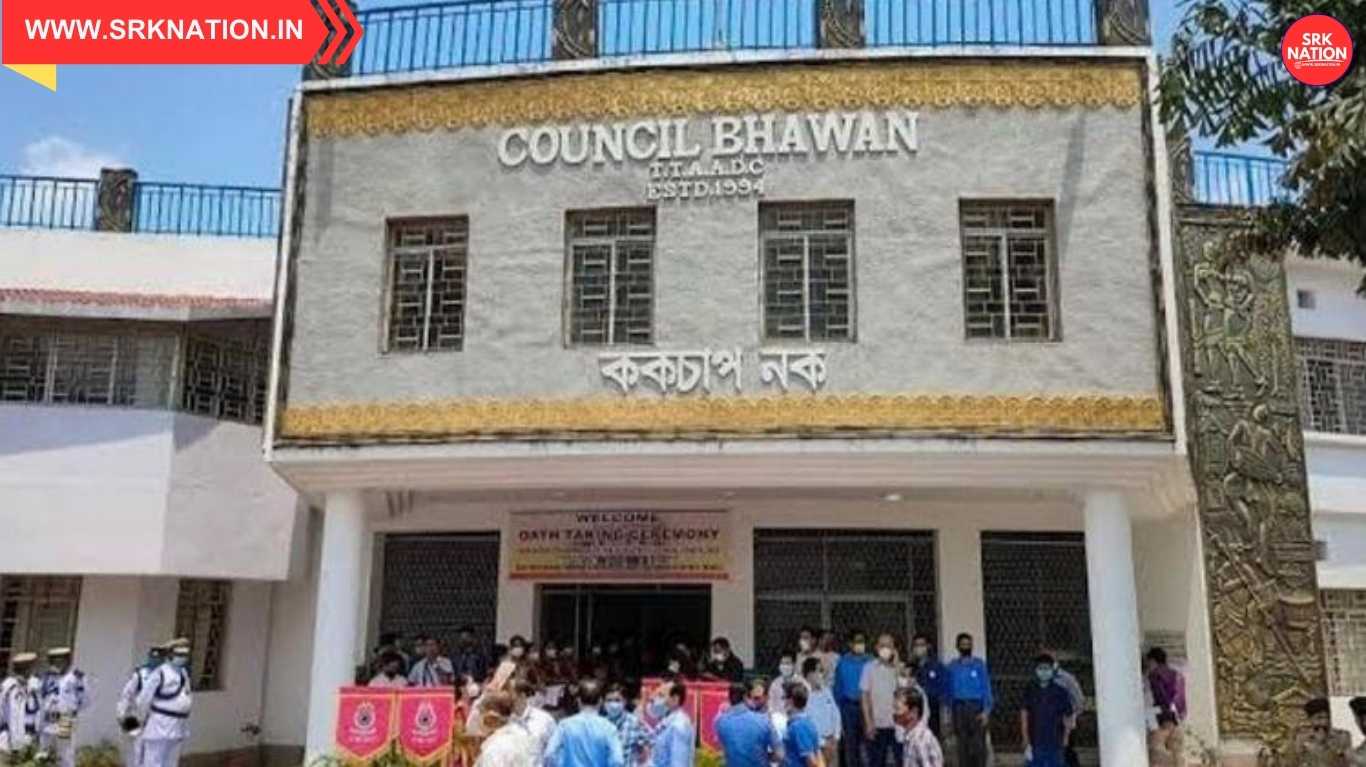





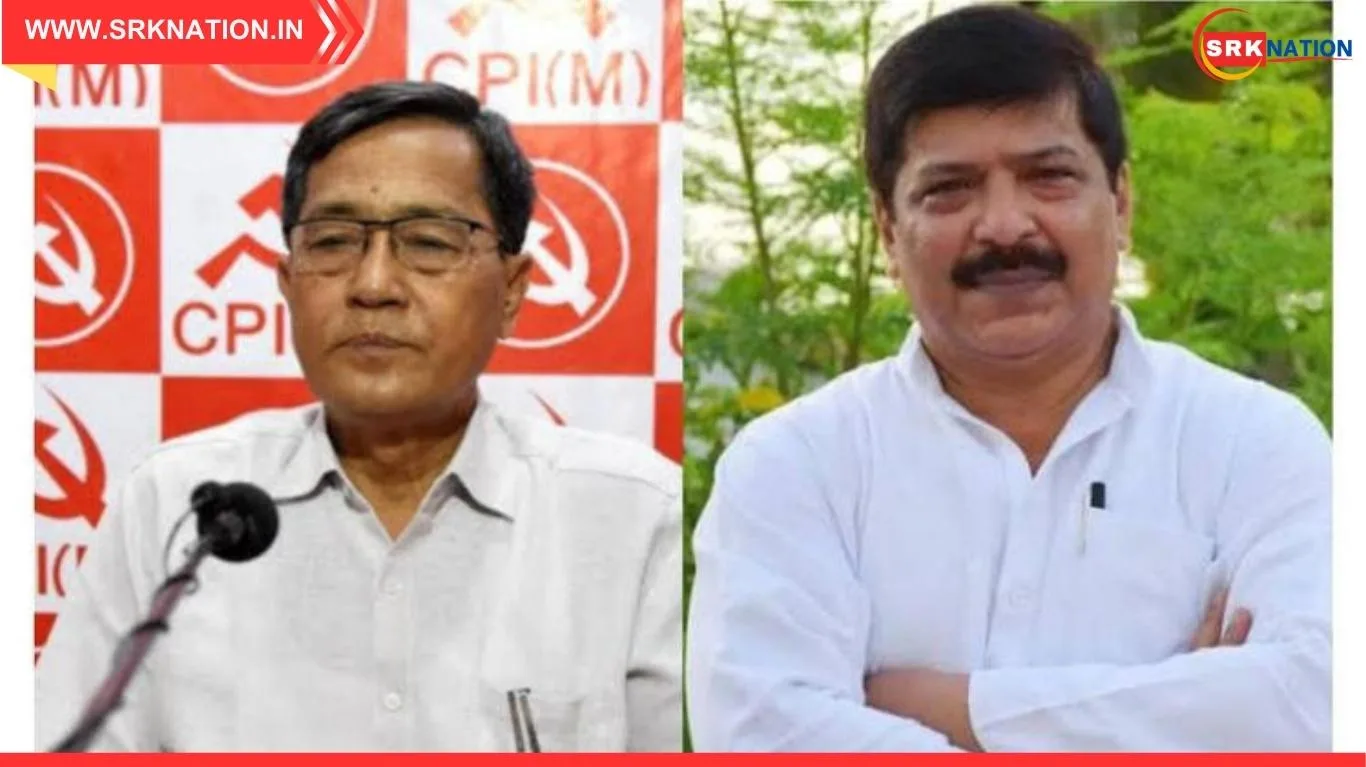
The political atmosphere in Tripura has turned charged after the state government announced the renaming of Raj Bhavan, the official residence of the Governor. While the ruling party hailed the move as a symbolic step toward cultural pride and regional identity, the opposition dismissed it as a cosmetic change, arguing that governance remains unaffected and people’s issues continue to be ignored.
The Renaming Of Raj Bhavan
- Raj Bhavan’s Legacy: Traditionally, Raj Bhavan has been the seat of gubernatorial authority in Indian states, symbolizing continuity of governance.
- Tripura’s Decision: The state government decided to rename Raj Bhavan to reflect local heritage and cultural pride.
- Symbolism: Officials claim the renaming is part of a broader effort to align state institutions with indigenous identity.
- Opposition’s Criticism: Opposition leaders argue that while names are being changed, governance challenges remain unaddressed.
Key Highlights Of The Renaming Debate
| Aspect | Government’s Stand | Opposition’s View | Impact |
|---|---|---|---|
| Renaming | Cultural pride, heritage | Cosmetic change | Sparks political debate |
| Governance | Claims reforms underway | Says governance unchanged | Public divided |
| Symbolism | Assertion of identity | Distraction from issues | Media coverage |
| Public Sentiment | Mixed reactions | Skepticism | Social media buzz |
| Political Impact | Strengthens ruling party narrative | Opposition gains talking point | Intensifies discourse |
Why The Renaming Matters
The renaming of Raj Bhavan is not just about a change in nomenclature:
- Cultural Assertion: Reflects Tripura’s attempt to highlight indigenous heritage.
- Political Messaging: Signals the ruling party’s commitment to regional identity.
- Public Perception: Creates debate about whether symbolic gestures matter more than substantive governance.
- National Context: Similar renaming exercises have taken place across India, often sparking political debates.
Symbolic Changes In Indian States
| State | Institution Renamed | Reason | Public Reaction |
|---|---|---|---|
| Uttar Pradesh | Allahabad to Prayagraj | Cultural heritage | Mixed |
| West Bengal | Presidency University renamed | Historical pride | Neutral |
| Maharashtra | Bombay to Mumbai | Regional identity | Widely accepted |
| Tripura | Raj Bhavan renamed | Indigenous pride | Divided |
Government’s Perspective
The ruling party defended the move strongly:
- Cultural Pride: Leaders emphasized that renaming reflects Tripura’s indigenous traditions.
- Symbolic Importance: Claimed that names carry historical weight and influence public consciousness.
- Governance Commitment: Asserted that reforms in education, healthcare, and infrastructure are ongoing.
- National Alignment: Pointed out that similar renaming exercises have been accepted across India.
Opposition’s Criticism
Opposition parties, however, were quick to dismiss the move:
- Cosmetic Change: Argued that renaming does not solve unemployment, poverty, or governance challenges.
- Public Distraction: Claimed the government is diverting attention from pressing issues.
- Accountability: Demanded focus on improving law and order, healthcare, and education.
- Political Strategy: Suggested the ruling party is using symbolism to consolidate support.
Public Sentiment
- Supporters: Applaud the renaming as a step toward cultural pride.
- Critics: Question the relevance of symbolic changes when governance issues persist.
- Neutral Citizens: Express indifference, focusing instead on everyday challenges.
- Social Media: Flooded with debates, memes, and opinion polls reflecting divided views.
Expert Opinions
- Political Analysts: Suggest the renaming is part of a broader narrative of identity politics.
- Sociologists: Highlight the importance of names in shaping collective memory.
- Economists: Stress that governance reforms matter more than symbolic gestures.
- Global Observers: Note that such moves reflect a global trend of reclaiming indigenous identity.
Challenges Ahead
Despite the symbolic importance, challenges remain:
- Governance Issues: Addressing unemployment, healthcare, and infrastructure gaps.
- Public Trust: Ensuring citizens see tangible improvements in governance.
- Political Polarization: Managing debates without deepening divisions.
- Sustainability: Balancing symbolic gestures with substantive reforms.
Future Outlook
- Short-Term: Continued debates in media and political circles about the renaming.
- Medium-Term: Government expected to highlight reforms alongside symbolic changes.
- Long-Term: The renaming may become normalized, but governance will remain the key test.
- National Impact: Tripura’s move could inspire similar exercises in other states.
Conclusion
The renaming of Tripura’s Raj Bhavan has sparked a heated debate, with the ruling party emphasizing cultural pride and the opposition insisting that governance remains unchanged. While symbolic gestures carry weight in shaping identity, the real test lies in delivering substantive reforms that improve citizens’ lives.
For the government, it is an opportunity to balance symbolism with governance. For the opposition, it is a chance to highlight gaps in administration. And for the people of Tripura, it is a reminder that names may change, but governance must evolve to meet their needs.
Disclaimer: This article is based on publicly available political updates, expert commentary, and media analysis. Readers are advised to follow official government notifications and verified sources for detailed information.