





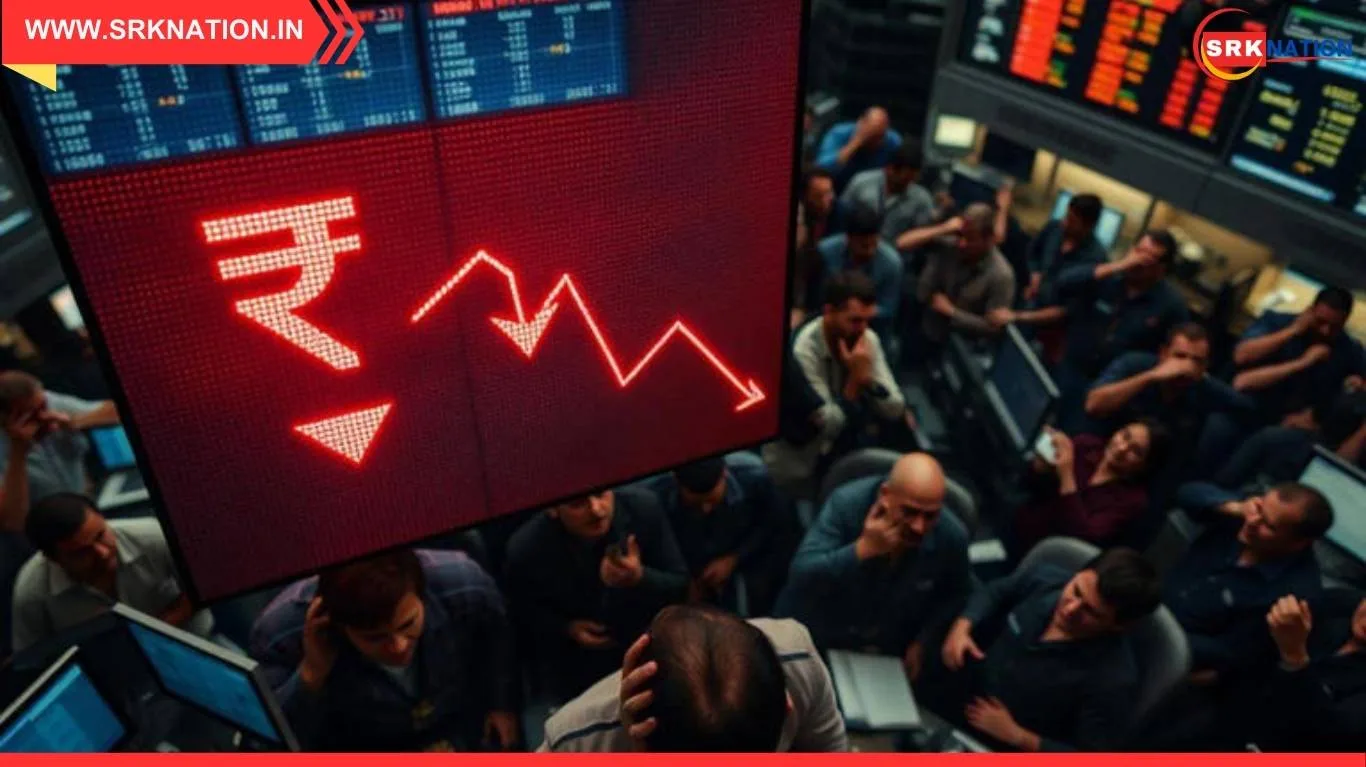
India’s economy continues to show resilience with strong GDP growth, yet the Indian rupee has fallen to a lifetime low of nearly ₹89.7 against the US dollar in early December 2025, raising concerns about whether a sharper decline is imminent. Despite an impressive 8.2% GDP growth in Q2 FY26, weak foreign portfolio inflows, rising imports, and global uncertainties have overshadowed domestic strength.
The Paradox Of Growth And Weak Currency
India’s economy is expanding rapidly, but the rupee’s weakness highlights structural challenges:
- GDP Growth: India recorded 8.2% growth in Q2 FY26, among the highest globally.
- Currency Depreciation: Rupee hit a record low of 89.59–89.73 per dolla.
- Global Context: US Federal Reserve’s tight monetary stance and strong dollar weigh on emerging market currencies.
- Trade Deal Uncertainty: Delays in the US-India trade agreement have dampened investor sentiment.
Key Drivers Of Rupee’s Decline
| Factor | Current Status | Impact On Rupee |
|---|---|---|
| GDP Growth | 8.2% in Q2 FY26 | Positive, but overshadowed |
| FPI Flows | Weak inflows | Downward pressure |
| Imports | Rising | Widening trade deficit |
| Trade Deal | Stalled US-India pact | Negative sentiment |
| Global Dollar Strength | High | Emerging currencies weaken |
Why The Rupee Is Falling Despite Growth
- Weak Foreign Portfolio Inflows (FPI): Investors remain cautious due to global risk sentiment.
- Rising Imports: Higher energy and commodity imports widen the current account deficit.
- Global Dollar Strength: US dollar remains strong as Fed maintains higher rates.
- Trade Deal Delays: Uncertainty around US-India trade negotiations adds pressure.
- Inflation Concerns: Imported inflation risks weigh on currency stability.
Rupee Performance Over The Years
| Year | Average Exchange Rate (₹/$) | Key Events |
|---|---|---|
| 2008 | 48.5 | Global financial crisis |
| 2013 | 62.0 | Taper tantrum |
| 2020 | 74.0 | Covid-19 pandemic |
| 2023 | 82.5 | Global inflation surge |
| 2025 | 89.7 | GDP boost overshadowed by weak flows |
Expert Opinions
- Economists: Warn that rupee may trade with a downward bias in the near term.
- Currency Analysts: Suggest that unless FPI inflows improve, rupee could test new lows.
- Policy Experts: Stress the need for stronger trade and investment frameworks.
- Global Observers: Note that India’s currency trajectory contrasts with its growth story.
Public Sentiment
- Investors: Concerned about currency risks affecting returns.
- Businesses: Worry about rising import costs, especially in energy and raw materials.
- Consumers: Fear higher inflation due to expensive imports.
- Media: Highlight the paradox of strong GDP but weak rupee.
Challenges Ahead
- Trade Deficit: Rising imports continue to pressure the rupee.
- Global Volatility: Geopolitical tensions and Fed policy remain key risks.
- Policy Response: RBI may intervene, but sustained depreciation is possible.
- Inflation Risks: Weak rupee could fuel imported inflation.
- Investor Confidence: Restoring FPI flows is critical.
Future Outlook
- Short-Term: Rupee likely to remain under pressure, trading near record lows.
- Medium-Term: Improvement possible if trade deals progress and FPI inflows strengthen.
- Long-Term: India’s growth story remains intact, but currency stability requires structural reforms.
- Global Impact: Rupee’s weakness could influence India’s $5 trillion economy target, now expected by FY29.
Conclusion
The Indian rupee’s fall to a lifetime low despite strong GDP growth underscores the complex interplay between domestic resilience and global headwinds. While India’s economy continues to expand, weak inflows, rising imports, and trade uncertainties weigh heavily on the currency.
For policymakers, the challenge lies in balancing growth with currency stability. For businesses and consumers, the rupee’s trajectory will directly impact costs and inflation. And for global investors, India’s paradox of strong growth but weak currency remains a critical factor in future decisions.
Disclaimer: This article is based on publicly available economic updates, expert commentary, and media analysis. Readers are advised to follow official RBI and government announcements for detailed information.