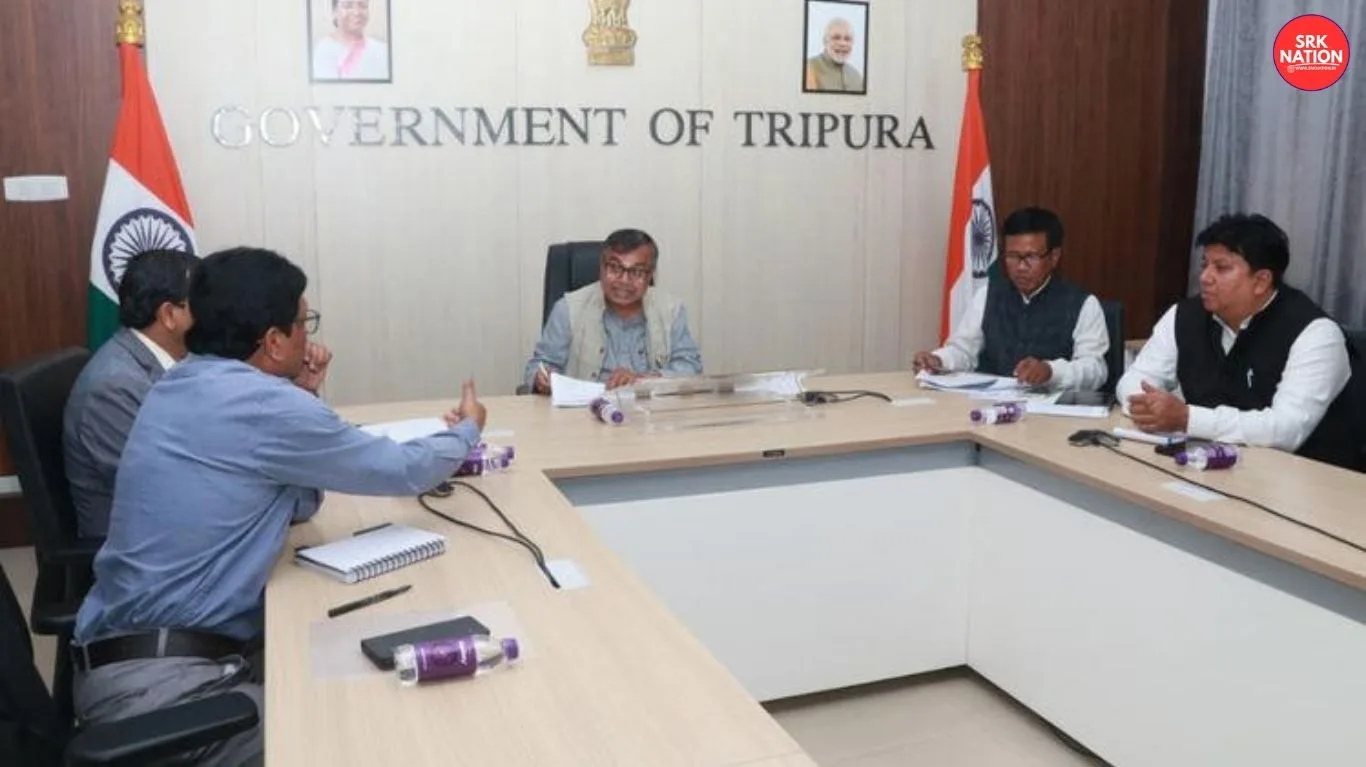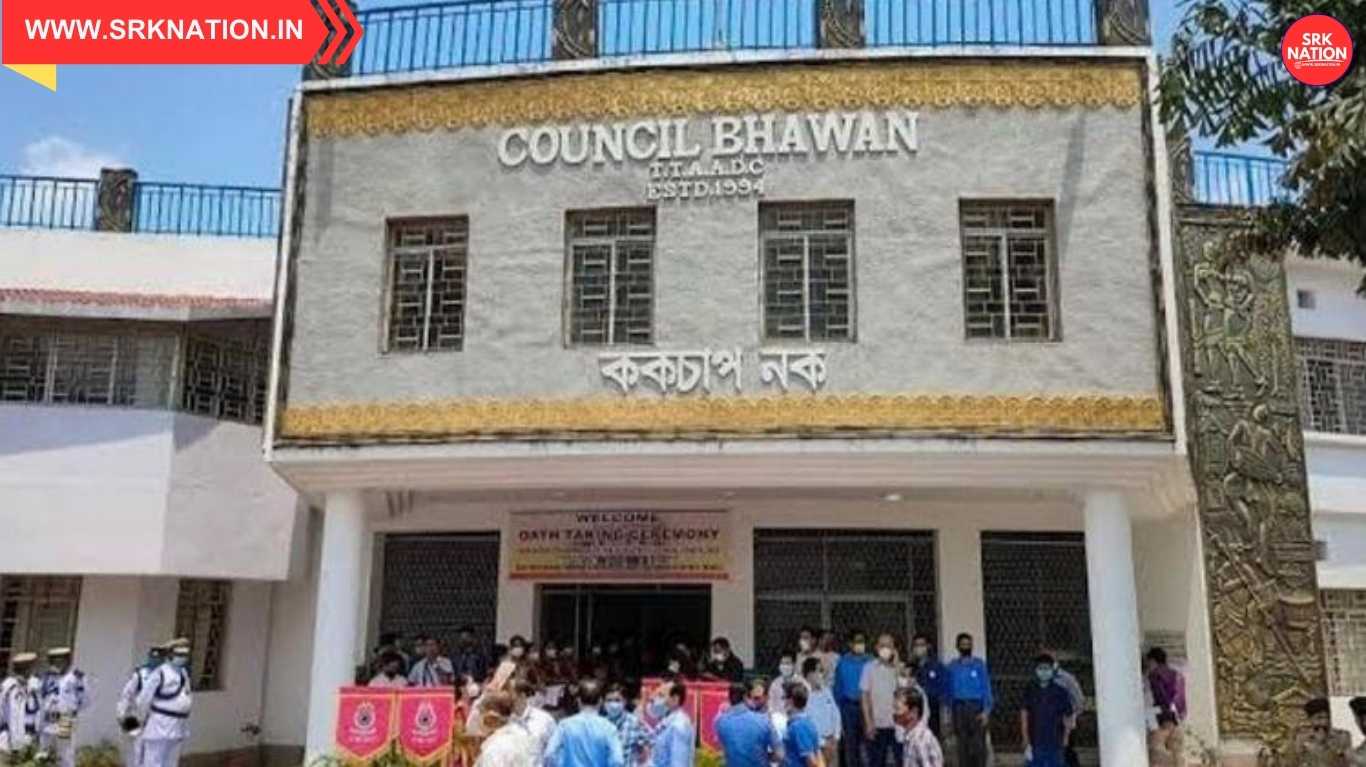





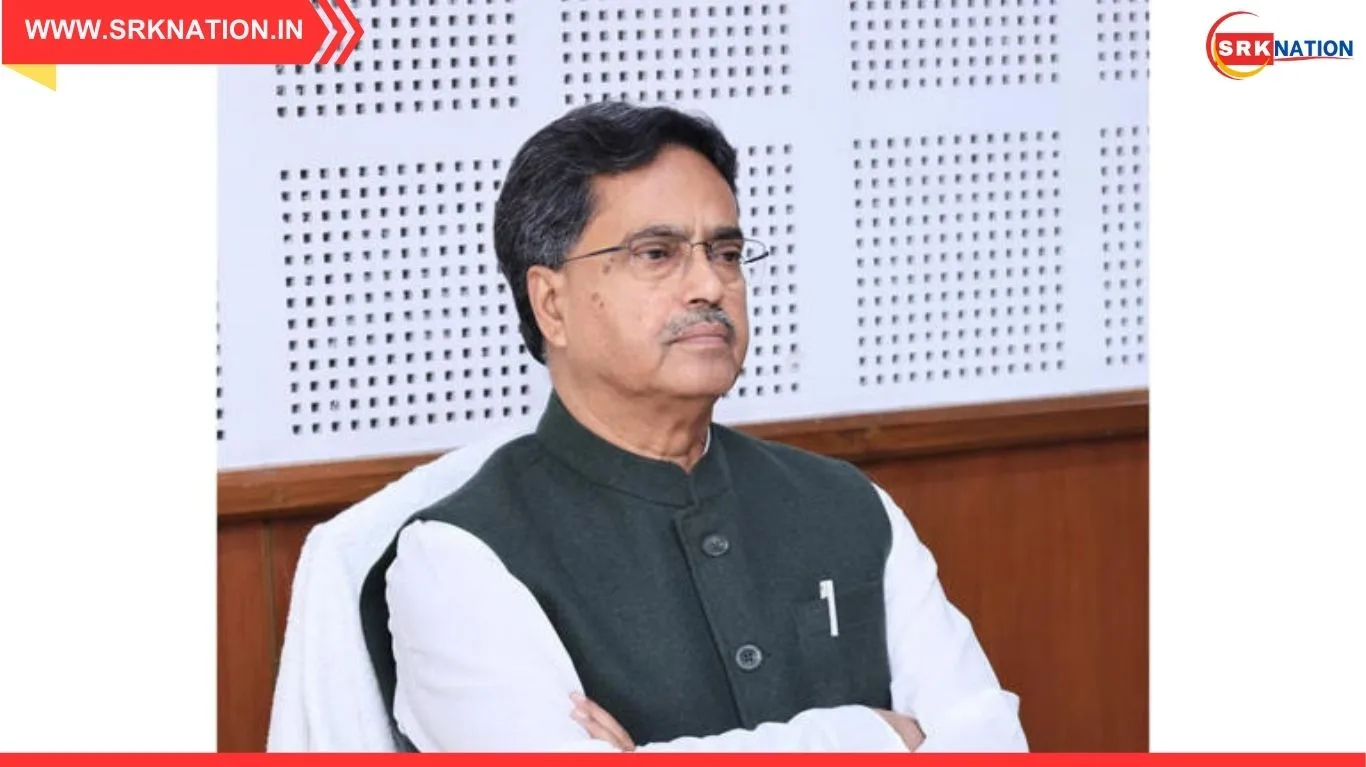
Tripura is set to witness a major boost in healthcare and education infrastructure as the state government announced the establishment of Homeopathic and Ayurvedic medical colleges with an investment of Rs 140 crore. This initiative is expected to transform the state’s medical education landscape, promote traditional systems of medicine, and enhance healthcare accessibility for citizens across the region.
Strengthening Traditional Medicine In Tripura
- Government Initiative: The state government has allocated Rs 140 crore for setting up two medical colleges dedicated to Homeopathy and Ayurveda.
- Healthcare Expansion: The move aims to provide affordable healthcare options rooted in traditional medicine.
- Educational Opportunities: Students in Tripura will now have access to specialized courses in Homeopathy and Ayurveda without leaving the state.
- National Context: The initiative aligns with India’s broader push to integrate AYUSH (Ayurveda, Yoga, Unani, Siddha, and Homeopathy) into mainstream healthcare.
Key Highlights Of Tripura’s Medical College Plan
| Aspect | Details | Impact |
|---|---|---|
| Investment | Rs 140 crore | Strengthens healthcare infrastructure |
| Colleges | Homeopathic & Ayurvedic | Promotes traditional medicine |
| Location | Tripura | Expands regional opportunities |
| Beneficiaries | Students & citizens | Education + affordable healthcare |
| National Policy | AYUSH integration | Supports holistic health approach |
Why This Development Matters
- Healthcare Accessibility: Citizens will gain access to affordable treatment options rooted in traditional medicine.
- Educational Growth: Students will benefit from new opportunities in medical education within the state.
- Employment Opportunities: The colleges will create jobs for faculty, researchers, and healthcare professionals.
- Cultural Significance: Ayurveda and Homeopathy are deeply rooted in India’s heritage, and their promotion strengthens cultural identity.
- Regional Development: Tripura’s healthcare infrastructure will be elevated, reducing dependency on other states.
Benefits Of New Medical Colleges
| Benefit | Impact On Tripura | Long-Term Significance |
|---|---|---|
| Healthcare Access | Affordable treatment for citizens | Improved public health outcomes |
| Education | Specialized medical courses | Retains talent within state |
| Employment | Faculty & staff recruitment | Boosts local economy |
| Research | Advances in traditional medicine | Enhances global recognition |
| Infrastructure | Modern facilities | Strengthens state’s medical ecosystem |
Industry And Public Reaction
- Healthcare Experts: Applaud the initiative as a step toward integrating traditional medicine with modern healthcare.
- Students: Express excitement about new educational opportunities in their home state.
- Citizens: Welcome the move, seeing it as a way to access affordable healthcare.
- Policy Analysts: Note that the initiative aligns with India’s national AYUSH mission.
Strategic Importance
- National Health Policy: Supports India’s vision of holistic healthcare by promoting AYUSH systems.
- Regional Development: Strengthens Tripura’s position as a hub for medical education in the Northeast.
- Global Competitiveness: Enhances India’s role in promoting traditional medicine worldwide.
- Economic Growth: Investment in colleges contributes to local economic development.
Expert Opinions
- Medical Scholars: Stress the importance of combining traditional medicine with modern research.
- Economists: Highlight the potential for job creation and economic growth.
- Policy Makers: Emphasize the alignment with national healthcare goals.
- Global Observers: Note that India’s promotion of Ayurveda and Homeopathy could attract international students.
Public Sentiment
- Students: Optimistic about pursuing careers in traditional medicine.
- Parents: Relieved that children can access quality medical education locally.
- Citizens: Supportive of affordable healthcare options.
- Social Media: Buzzing with discussions about Tripura’s new medical colleges.
Challenges Ahead
- Infrastructure Development: Ensuring timely completion of construction projects.
- Faculty Recruitment: Attracting qualified professionals to teach specialized courses.
- Quality Standards: Maintaining high educational and healthcare standards.
- Integration With Modern Medicine: Balancing traditional practices with contemporary healthcare needs.
Future Outlook
- Short-Term: Construction and recruitment for the colleges will begin soon.
- Medium-Term: Students will enroll in specialized courses, boosting medical education.
- Long-Term: Tripura could emerge as a regional hub for traditional medicine education and healthcare.
- Global Impact: The colleges may attract international collaborations in Ayurveda and Homeopathy research.
Conclusion
The establishment of Homeopathic and Ayurvedic medical colleges in Tripura with Rs 140 crore investment marks a transformative step in healthcare and education. By promoting traditional medicine, the initiative not only enhances healthcare accessibility but also creates opportunities for students, professionals, and researchers.
For Tripura, this is a leap toward becoming a hub for medical education in the Northeast. For India, it reinforces the vision of integrating AYUSH into mainstream healthcare. And for citizens, it promises affordable treatment and a stronger healthcare ecosystem.
Disclaimer: This article is based on publicly available government updates, expert commentary, and media analysis. Readers are advised to follow official announcements and verified sources for detailed information.