


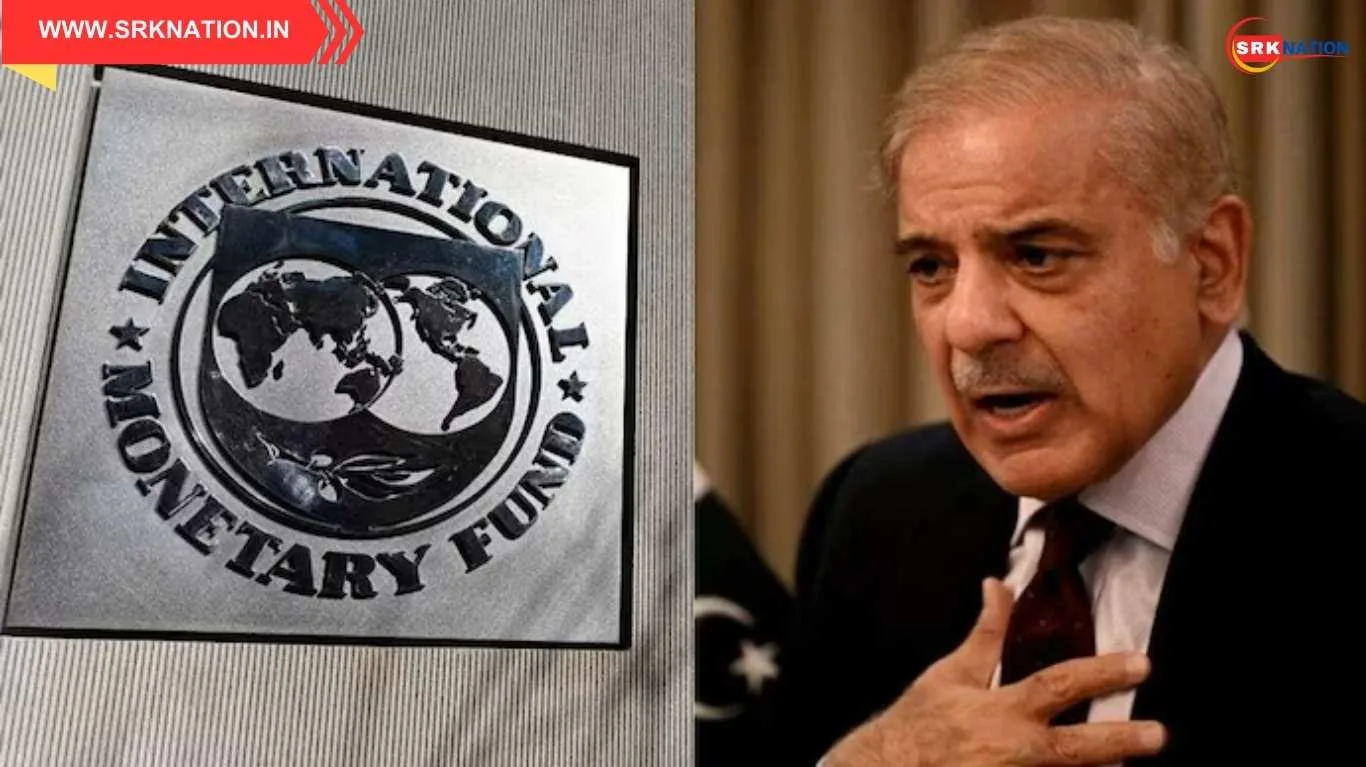
In a development that has stirred debate across Pakistan’s economic and social circles, the International Monetary Fund (IMF) has reportedly rejected Prime Minister Shehbaz Sharif’s request to slash taxes on condoms. The decision, though seemingly focused on a niche product, reflects broader tensions between Pakistan’s fiscal policies and IMF’s stringent conditions for financial assistance. The move has implications not only for public health and affordability but also for the government’s credibility in balancing economic reforms with social welfare.
Background of the Request
- Pakistan has been under significant economic strain, with rising inflation, currency depreciation, and mounting debt obligations.
- The government sought IMF assistance to stabilize the economy, but the bailout conditions included strict adherence to revenue generation and tax reforms.
- In this context, Shehbaz Sharif’s request to reduce taxes on condoms was framed as a measure to support public health, family planning, and affordability.
- The IMF, however, turned down the request, citing the need to maintain tax revenues and avoid exemptions that could undermine fiscal discipline.
Key Highlights of the IMF’s Decision
| Indicator | Details |
|---|---|
| Request Made By | Prime Minister Shehbaz Sharif |
| Product In Focus | Condoms |
| IMF’s Response | Request rejected |
| Reason | Maintain tax revenues, avoid exemptions |
| Impact | Higher prices, reduced affordability |
| Broader Context | Pakistan’s ongoing negotiations with IMF for financial assistance |
Government’s Position vs IMF’s Stance
| Factor | Government’s Position | IMF’s Stance | Implication |
|---|---|---|---|
| Public Health | Lower taxes to improve affordability | Taxes must remain for revenue | Citizens face higher costs |
| Fiscal Discipline | Exemptions justified for social welfare | No exemptions allowed | Stricter economic reforms |
| Political Credibility | Relief for citizens | Maintain global financial standards | Government faces criticism |
| Economic Stability | Balance between welfare and revenue | Prioritize revenue generation | Tensions in policy-making |
Why This Decision Matters
- Public Health Impact: Condoms are essential for family planning and disease prevention; higher taxes reduce accessibility.
- Economic Symbolism: The rejection highlights IMF’s uncompromising stance on fiscal discipline.
- Political Fallout: The government faces criticism for failing to secure relief on even basic health products.
- Social Debate: The issue has sparked discussions on the balance between economic reforms and social welfare.
The Economics of Condoms in Pakistan
| Attribute | Details |
|---|---|
| Current Tax Rate | Considered high relative to affordability |
| Market Demand | Significant due to family planning programs |
| Public Health Role | Prevents sexually transmitted diseases, supports reproductive health |
| Impact of Taxes | Higher retail prices, reduced accessibility for low-income groups |
The taxation of condoms, though seemingly minor, has broader implications for public health and social welfare in Pakistan.
Expert Opinions
- Economists: Stress that IMF’s rejection reflects its focus on fiscal discipline rather than social welfare.
- Public Health Experts: Warn that higher prices could reduce condom usage, impacting family planning and disease prevention.
- Political Analysts: Highlight the government’s struggle to balance IMF conditions with citizen needs.
- Citizens: Express frustration at rising costs of essential products amid economic hardship.
Challenges Ahead
- Affordability: Ensuring condoms remain accessible to low-income groups despite taxes.
- Public Health Risks: Potential rise in sexually transmitted diseases and unintended pregnancies.
- Political Credibility: Government must manage criticism for failing to secure relief.
- Economic Reforms: Balancing IMF conditions with domestic welfare priorities.
Opportunities for Pakistan
- Alternative Subsidies: Explore domestic subsidies to offset IMF’s refusal.
- Public Awareness: Strengthen campaigns on family planning and reproductive health.
- Local Manufacturing: Encourage domestic production to reduce costs.
- Policy Innovation: Seek creative solutions to balance fiscal discipline with social welfare.
Broader Context of IMF’s Role
- IMF bailouts often come with strict conditions focused on revenue generation and fiscal discipline.
- Exemptions on products, even those linked to public health, are rarely granted.
- Pakistan’s case reflects the broader tension between global financial standards and local welfare needs.
- The decision underscores the challenges faced by developing nations in negotiating with international financial institutions.
Public Sentiment
- Citizens expressed frustration at the rising costs of essential products.
- Social media debates highlighted the irony of IMF rejecting relief on condoms amid broader economic crises.
- Public health advocates criticized the decision, warning of long-term consequences.
- Overall sentiment reflected anger, disappointment, and calls for government accountability.
Conclusion
The IMF’s rejection of Shehbaz Sharif’s request to slash taxes on condoms may appear minor but carries significant implications for Pakistan’s economy, politics, and public health. While the government sought relief to support affordability and welfare, the IMF’s uncompromising stance highlights the challenges of balancing fiscal discipline with social needs. As Pakistan continues to grapple with economic hardship, the decision serves as a reminder of the complexities of global financial negotiations and their impact on everyday lives.
Disclaimer
This article is intended for informational purposes only and does not constitute financial or policy advice. Government decisions, IMF negotiations, and public sentiments are subject to change based on evolving circumstances. Readers are encouraged to follow official updates for accurate information. The author and publisher are not responsible for any decisions made based on this article.