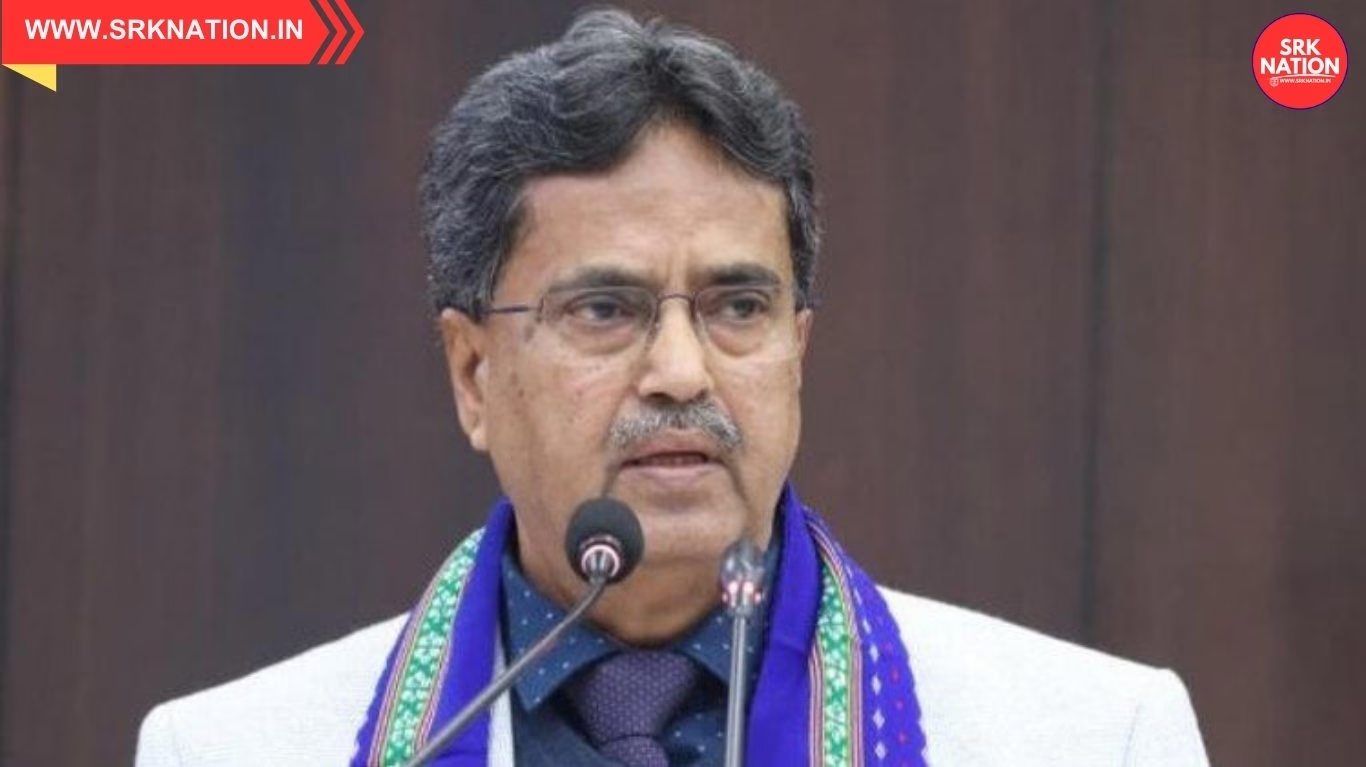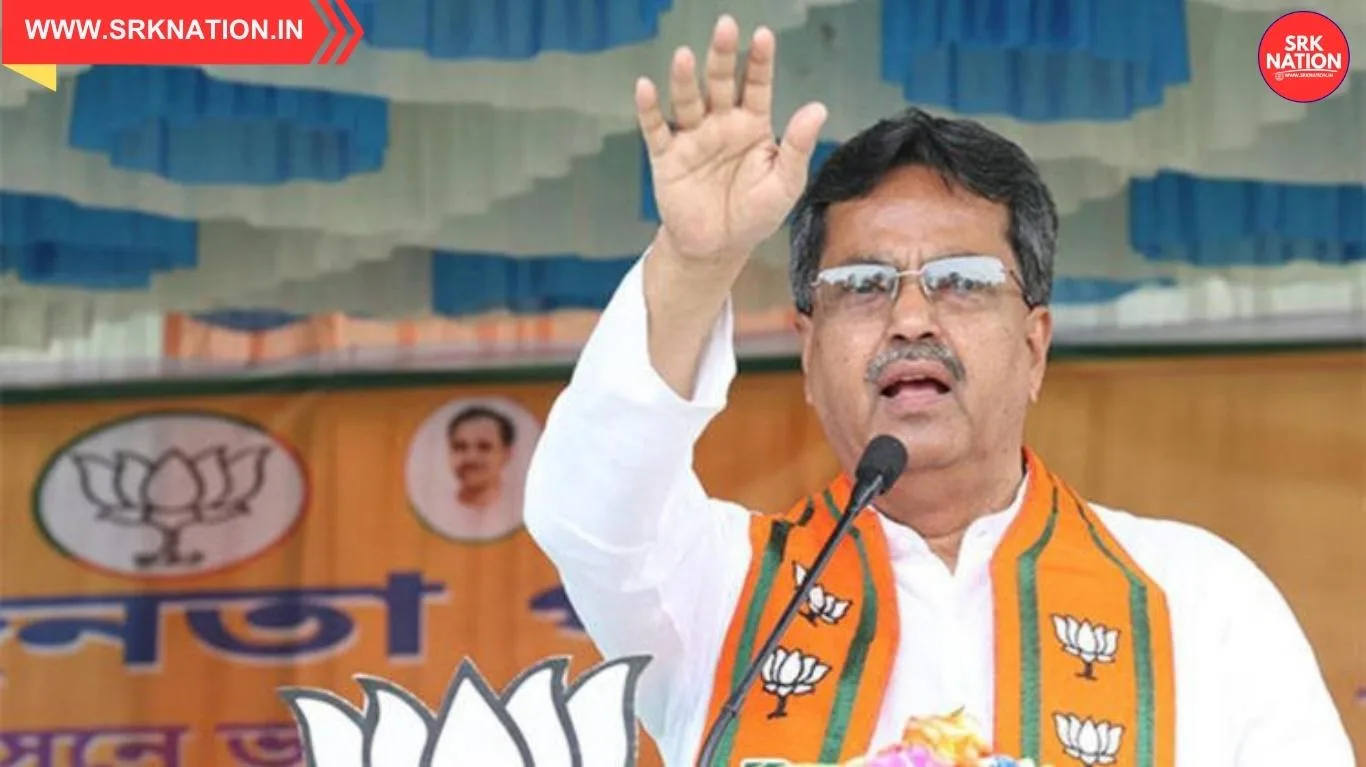




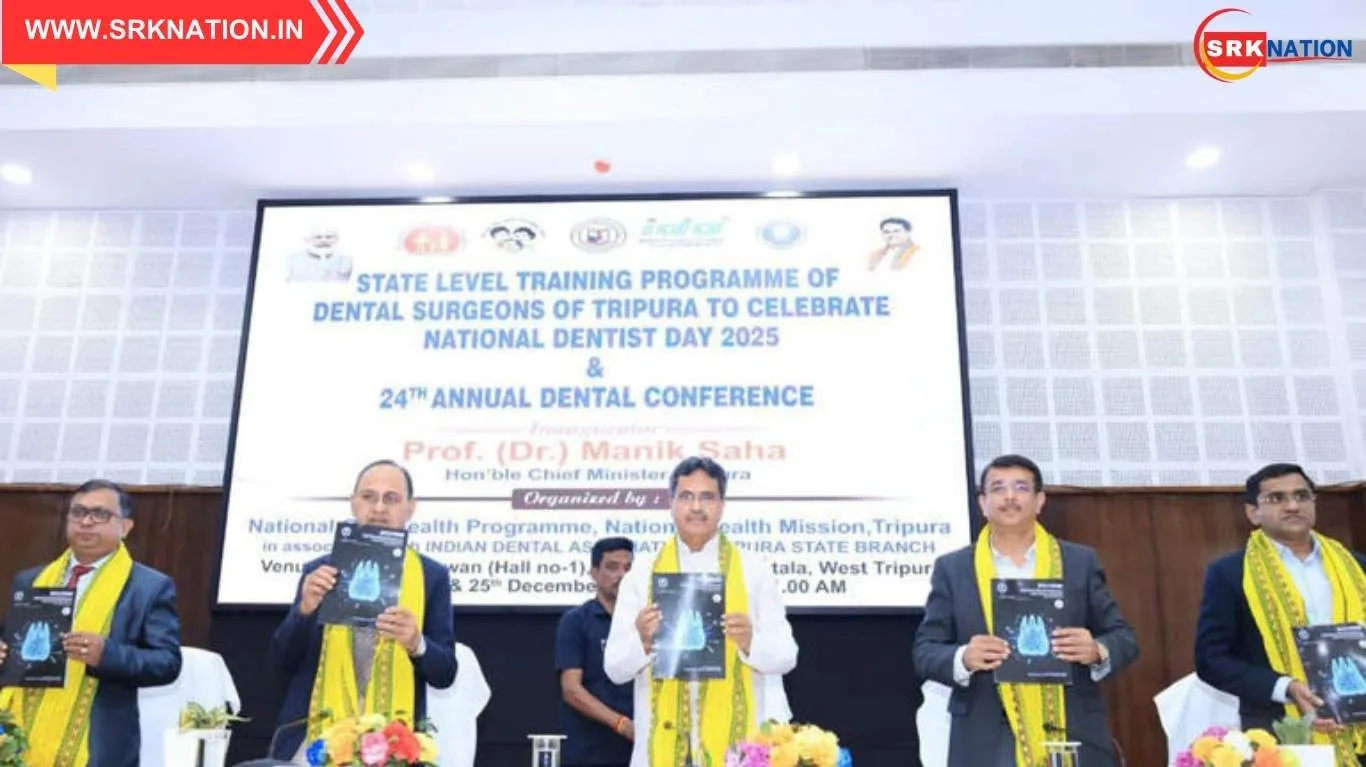
Tripura Chief Minister Dr. Manik Saha has announced a significant achievement in the state’s healthcare sector, highlighting that patient outflow has reduced considerably due to the introduction of a new referral system. This initiative is part of the government’s broader vision to strengthen healthcare infrastructure, improve accessibility, and ensure that patients receive timely treatment within the state itself rather than traveling outside for medical services.
Background of the Healthcare Initiative
- Tripura has historically faced challenges with patients traveling to neighboring states for specialized medical care.
- The lack of advanced facilities and referral mechanisms often led to delays in treatment and increased financial burden on families.
- Recognizing these issues, the state government under CM Saha introduced a structured referral system aimed at streamlining patient movement within Tripura’s healthcare network.
- The initiative has already shown positive results, with reduced patient outflow and improved satisfaction among citizens.
Key Highlights of the Announcement
| Indicator | Details |
|---|---|
| Initiative | New referral system in healthcare |
| Announced By | Tripura CM Dr. Manik Saha |
| Primary Outcome | Reduced patient outflow to other states |
| Focus Areas | Accessibility, affordability, efficiency |
| Broader Impact | Strengthened healthcare infrastructure in Tripura |
Healthcare Scenario Before vs After Referral System
| Factor | Before Referral System | After Referral System | Implication |
|---|---|---|---|
| Patient Outflow | High, many patients traveling outside | Reduced significantly | Better local healthcare |
| Treatment Accessibility | Limited, fragmented | Streamlined, structured | Improved patient experience |
| Financial Burden | High due to travel and external costs | Lower, affordable care locally | Relief for families |
| Healthcare Confidence | Low trust in local facilities | Increased confidence | Stronger public trust |
Why the Referral System Matters
- Accessibility: Patients can now access specialized care within Tripura without unnecessary travel.
- Affordability: Reduces financial strain on families by minimizing external medical expenses.
- Efficiency: Streamlines patient movement, ensuring timely treatment.
- Trust Building: Enhances public confidence in the state’s healthcare system.
Structure of the Referral System
| Attribute | Details |
|---|---|
| Primary Care | Local health centers and district hospitals |
| Secondary Care | Referral to state-level hospitals for advanced treatment |
| Tertiary Care | Specialized facilities within Tripura |
| Coordination | Digital and manual tracking of patient referrals |
| Monitoring | Regular review by health department officials |
The system ensures that patients are referred step-by-step, avoiding unnecessary transfers and delays.
Expert Opinions
- Healthcare Analysts: Praise the system for reducing patient outflow and strengthening local infrastructure.
- Doctors: Highlight the importance of structured referrals in improving treatment outcomes.
- Patients: Express relief at being able to access care locally without traveling long distances.
- Policy Makers: Stress that the initiative aligns with national goals of improving healthcare accessibility.
Challenges Ahead
- Infrastructure Gaps: Need to further upgrade facilities to handle complex cases.
- Human Resources: Ensuring adequate doctors, nurses, and specialists across districts.
- Technology Integration: Expanding digital referral tracking systems.
- Awareness: Educating citizens about the referral process for smoother implementation.
Opportunities for Tripura
- Medical Tourism: With improved facilities, Tripura can attract patients from neighboring regions.
- Employment Growth: Expansion of healthcare services will create jobs for medical professionals.
- Public Health Improvement: Better access to care will enhance overall health outcomes.
- Policy Innovation: Tripura can serve as a model for other states facing similar challenges.
Broader Context of Healthcare in India
- Many states face challenges with patient outflow due to lack of specialized facilities.
- Referral systems are increasingly being recognized as effective tools to streamline healthcare delivery.
- Tripura’s initiative reflects a growing trend of states investing in structured healthcare models.
- The success of such systems can contribute to India’s broader healthcare goals under national programs.
Public Sentiment
- Citizens have welcomed the initiative, noting reduced travel and expenses.
- Families express gratitude for being able to access advanced care locally.
- Healthcare workers appreciate the structured approach, which reduces confusion and delays.
- Overall sentiment reflects optimism about the future of healthcare in Tripura.
Conclusion
The announcement by Tripura CM Dr. Manik Saha that patient outflow has reduced due to the new referral system marks a turning point in the state’s healthcare journey. By streamlining patient movement, reducing financial burdens, and strengthening local facilities, the initiative has already begun to transform healthcare delivery in Tripura. As the system evolves, it promises to not only improve health outcomes but also position Tripura as a model for effective healthcare governance in India.
Disclaimer
This article is intended for informational purposes only and does not constitute medical or policy advice. Healthcare initiatives, patient outcomes, and government strategies are subject to change based on evolving circumstances. Readers are encouraged to follow official updates for accurate information. The author and publisher are not responsible for any decisions made based on this article.