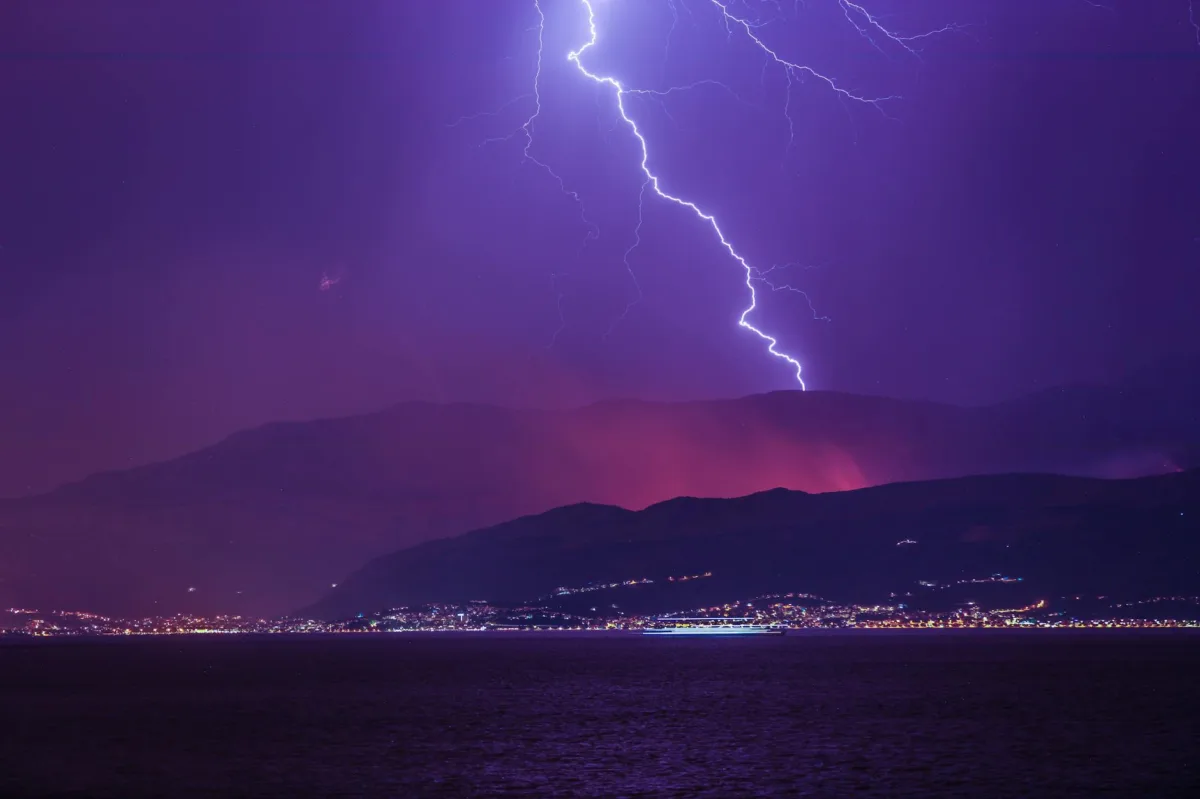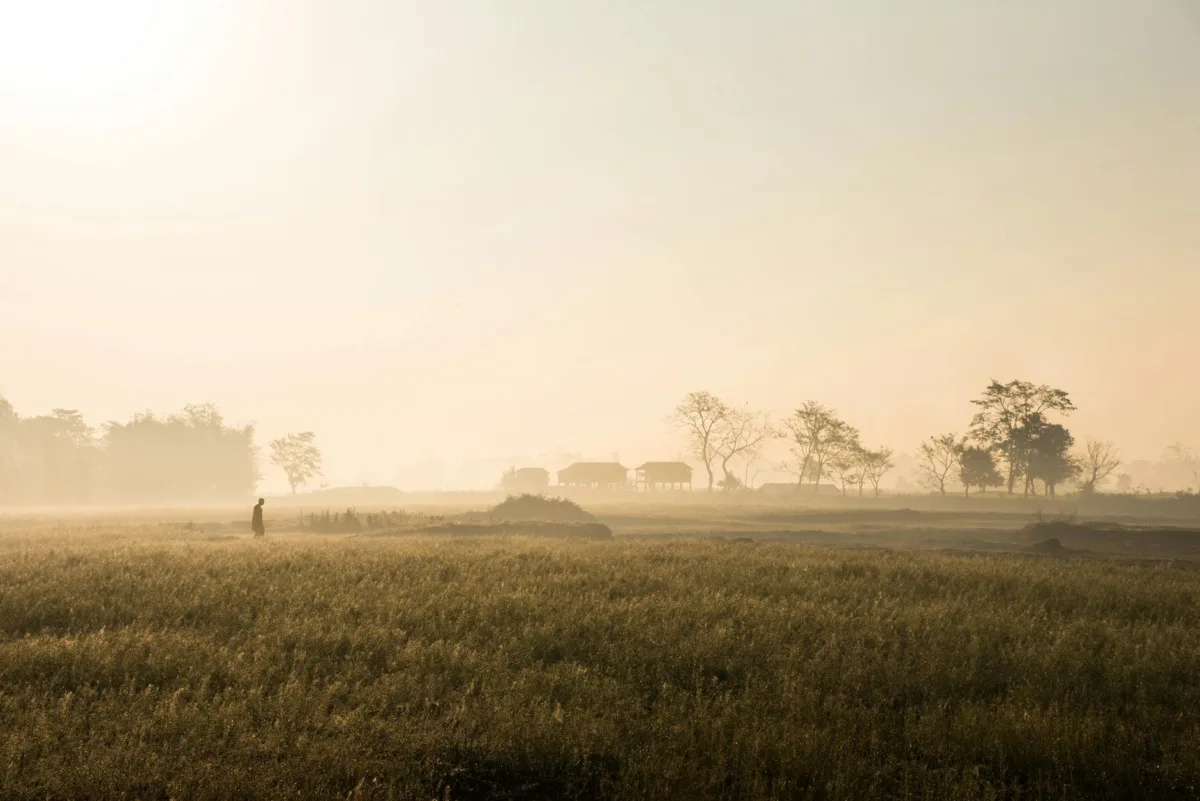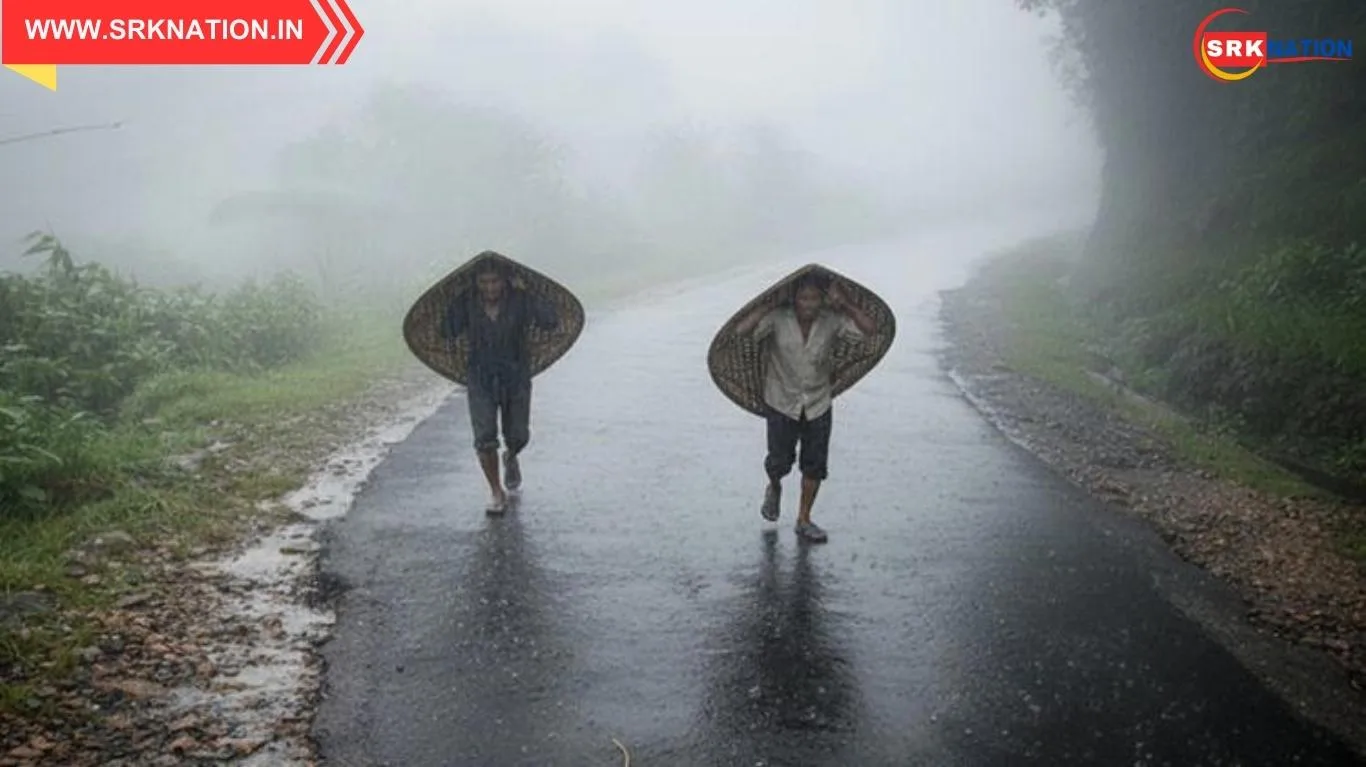
The picturesque village of Mawsynram in Meghalaya, long celebrated as the wettest place on Earth, is now facing an alarming environmental shift. Recent studies and observations suggest that air pollution has been directly linked to a dramatic decline in rainfall in the region. This revelation has sparked concern among environmentalists, policymakers, and local communities, as Mawsynram’s unique climate has historically defined its identity and sustained its ecosystem.
Background of Mawsynram’s Rainfall Legacy
- Mawsynram, located in the Khasi Hills of Meghalaya, has held the record for the highest average annual rainfall globally.
- The village’s unique geographical position, surrounded by hills and valleys, made it a natural rain trap.
- For decades, Mawsynram’s rainfall patterns have been a source of fascination for scientists and tourists alike.
- However, recent years have seen a noticeable decline in rainfall, raising questions about the underlying causes.
Key Highlights of the Rainfall Decline
| Indicator | Details |
|---|---|
| Location | Mawsynram, Meghalaya |
| Historical Status | Wettest place on Earth |
| Current Issue | Decline in rainfall levels |
| Primary Cause | Air pollution and atmospheric changes |
| Broader Impact | Environmental, agricultural, and socio-economic challenges |
Rainfall Patterns Before vs After Pollution Impact
| Factor | Historical Rainfall | Current Rainfall | Implication |
|---|---|---|---|
| Annual Average | 11,000–12,000 mm | Noticeable decline in recent years | Loss of global record status |
| Atmospheric Clarity | Clean, moisture-rich | Polluted, aerosol-heavy | Reduced precipitation |
| Ecosystem Health | Flourishing biodiversity | Stress on flora and fauna | Ecological imbalance |
| Agricultural Output | High productivity | Declining yields | Threat to livelihoods |
Why Air Pollution Matters in Rainfall Decline
- Aerosols and Cloud Formation: Air pollution introduces aerosols into the atmosphere, disrupting natural cloud formation and rainfall cycles.
- Reduced Moisture Condensation: Pollutants interfere with condensation processes, leading to fewer rain-bearing clouds.
- Regional Climate Shifts: Pollution-driven changes in wind and temperature patterns alter rainfall distribution.
- Global Climate Linkages: Mawsynram’s decline reflects broader climate change trends affecting rainfall worldwide.
Impact on Local Communities
| Attribute | Details |
|---|---|
| Agriculture | Declining rainfall threatens traditional farming practices |
| Water Resources | Reduced availability of freshwater sources |
| Tourism | Loss of “wettest place” status impacts visitor interest |
| Livelihoods | Communities dependent on rain-fed agriculture face challenges |
| Cultural Identity | Rainfall decline affects local traditions tied to monsoon cycles |
For residents of Mawsynram, the decline in rainfall is more than an environmental issue—it directly impacts their way of life.
Expert Opinions
- Meteorologists: Stress that air pollution is altering atmospheric dynamics, reducing rainfall intensity.
- Climate Scientists: Warn that Mawsynram’s decline is a sign of global climate disruption.
- Environmentalists: Call for urgent action to reduce pollution and protect fragile ecosystems.
- Local Leaders: Emphasize the need for sustainable policies to safeguard livelihoods.
Challenges Ahead
- Pollution Control: Reducing emissions from industries and vehicles across the region.
- Climate Adaptation: Developing strategies to cope with reduced rainfall.
- Agricultural Sustainability: Supporting farmers with drought-resistant crops and irrigation systems.
- Tourism Management: Rebranding Mawsynram’s identity beyond rainfall records.
Opportunities for Meghalaya
- Green Policies: Implementing stricter pollution control measures.
- Renewable Energy: Promoting clean energy to reduce emissions.
- Eco-Tourism: Highlighting biodiversity and cultural heritage alongside rainfall.
- Scientific Research: Positioning Mawsynram as a hub for climate studies.
Broader Context of Climate Change
- Rainfall decline in Mawsynram is part of a larger global trend of shifting precipitation patterns.
- Climate change, driven by pollution and greenhouse gas emissions, is altering monsoon cycles across South Asia.
- The event underscores the interconnectedness of local and global environmental challenges.
- Addressing pollution is critical not just for Mawsynram but for the planet’s climate stability.
Public Sentiment
- Locals express concern over declining rainfall and its impact on agriculture.
- Environmental activists call for urgent action to reduce pollution.
- Tourists lament the loss of Mawsynram’s unique identity as the wettest place on Earth.
- Social media discussions highlight the need for collective responsibility in tackling climate change.
Conclusion
The revelation that air pollution is linked to the dramatic rainfall decline in Mawsynram, Meghalaya marks a turning point in understanding the region’s environmental challenges. Once celebrated as the wettest place on Earth, Mawsynram now faces the risk of losing its unique identity due to human-driven atmospheric changes. The decline underscores the urgent need for pollution control, climate adaptation, and sustainable development. For Meghalaya and India, the lesson is clear: protecting the environment is essential not only for preserving natural wonders but also for safeguarding livelihoods and cultural heritage.
Disclaimer
This article is intended for informational purposes only and does not constitute scientific or policy advice. Climate patterns, pollution impacts, and rainfall data are subject to change based on evolving circumstances. Readers are encouraged to follow official updates for accurate information. The author and publisher are not responsible for any decisions made based on this article.