









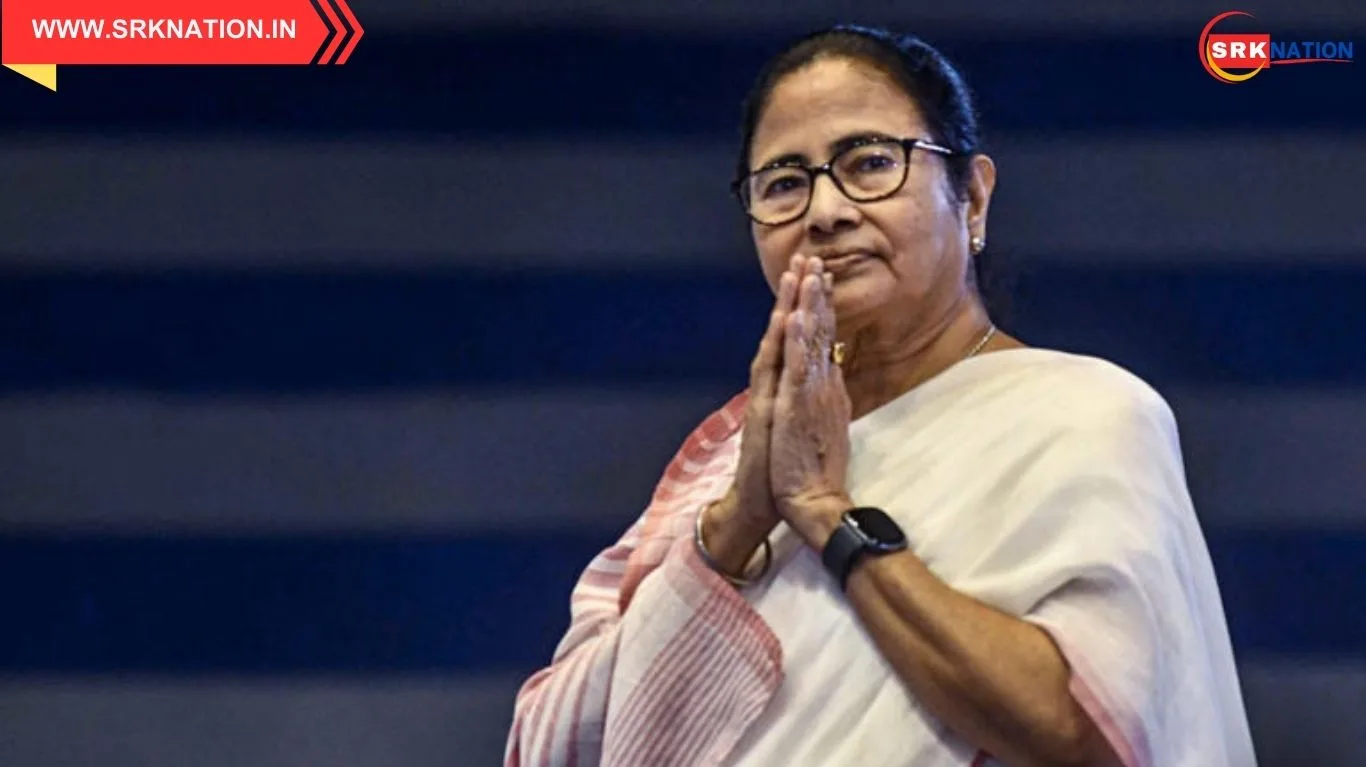
West Bengal Chief Minister Mamata Banerjee has increasingly turned towards cultural and religious narratives rooted in Bengali Hinduism as a political strategy to counter the Bharatiya Janata Party (BJP). In a state where identity, tradition, and religion intertwine deeply with politics, Banerjee’s approach reflects an attempt to reclaim the Hindu space while differentiating it from the BJP’s pan-Indian Hindutva narrative.
Background of the Strategy
- West Bengal has historically been a land of reformist Hindu traditions, shaped by figures like Ramakrishna Paramhansa, Swami Vivekananda, Rabindranath Tagore, and Bankim Chandra Chattopadhyay.
- Mamata Banerjee has sought to highlight this cultural heritage, presenting Bengali Hinduism as inclusive, spiritual, and rooted in local traditions.
- Her strategy involves celebrating festivals, invoking cultural icons, and emphasizing Bengal’s unique religious practices.
- This approach is designed to counter BJP’s narrative, which often emphasizes a more homogenized version of Hindutva.
Key Highlights of Mamata’s Approach
| Indicator | Details |
|---|---|
| Political Leader | Mamata Banerjee |
| Strategy | Banking on Bengali Hinduism |
| Objective | Counter BJP’s Hindutva narrative |
| Methods | Festivals, cultural icons, inclusive religious messaging |
| Broader Impact | Strengthening regional identity in politics |
Implications of Mamata’s Strategy
| Factor | Positive Impact | Challenges | Long-Term Implication |
|---|---|---|---|
| Regional Identity | Reinforces Bengal’s cultural uniqueness | Risk of alienating non-Hindu groups | Stronger cultural nationalism |
| Political Positioning | Counters BJP’s Hindutva narrative | May face criticism of opportunism | Establishes alternative Hindu discourse |
| Voter Engagement | Appeals to Hindu voters in Bengal | Balancing minority support | Consolidates broader voter base |
| Cultural Revival | Promotes icons like Vivekananda, Tagore | Risk of selective appropriation | Revives Bengal’s reformist traditions |
| Governance Narrative | Positions TMC as protector of Bengal’s ethos | Needs consistent messaging | Shapes long-term political identity |
Why This Story Matters
- Identity Politics: Religion and culture are central to Bengal’s political discourse.
- Electoral Strategy: Mamata’s approach is aimed at retaining Hindu voters while keeping minority support intact.
- Cultural Assertion: Differentiating Bengali Hinduism from BJP’s Hindutva highlights regional pride.
- National Implications: The strategy could influence how regional parties counter BJP across India.
- Social Dynamics: It reflects the interplay of religion, culture, and politics in shaping voter behavior.
Elements of Bengali Hinduism in Mamata’s Narrative
| Attribute | Details |
|---|---|
| Inclusivity | Emphasis on reformist, spiritual traditions |
| Cultural Icons | Vivekananda, Ramakrishna, Tagore |
| Festivals | Durga Puja, Kali Puja celebrated with grandeur |
| Literature | References to Bankim Chandra’s works |
| Spirituality | Focus on devotion, tolerance, and community |
Mamata’s narrative highlights Bengal’s reformist Hinduism, which historically emphasized inclusivity and spirituality rather than political dominance.
Expert Opinions
- Political Analysts: Suggest Mamata’s strategy is a calculated move to prevent BJP from monopolizing Hindu votes.
- Historians: Note that Bengal’s Hindu traditions have always been distinct from North Indian Hindutva.
- Sociologists: Emphasize the importance of cultural identity in shaping political allegiance.
- Critics: Argue that the strategy risks alienating minorities if not balanced carefully.
Challenges Ahead
- Balancing Act: Retaining minority support while appealing to Hindu voters.
- Consistency: Ensuring cultural messaging does not appear opportunistic.
- BJP’s Counter-Narrative: BJP may highlight pan-Indian Hindutva to challenge Mamata’s regional approach.
- Public Perception: Risk of being seen as politicizing religion.
- Electoral Dynamics: Success depends on how effectively the narrative resonates with voters.
Opportunities for Mamata Banerjee
- Cultural Consolidation: Strengthen Bengal’s unique identity in national politics.
- Inclusive Messaging: Present Bengali Hinduism as tolerant and reformist.
- Festival Politics: Use grand celebrations to connect with voters emotionally.
- Youth Engagement: Promote icons like Vivekananda to inspire younger generations.
- Regional Pride: Position TMC as the guardian of Bengal’s ethos.
Broader Context of Indian Politics
- BJP’s rise in Bengal has been fueled by its Hindutva narrative.
- Mamata’s counter-strategy reflects how regional leaders adapt religious narratives to local contexts.
- Similar approaches may be seen in other states where regional identity is strong.
- The interplay of religion and politics continues to shape India’s electoral landscape.
Public Sentiment
- Supporters of Mamata see her strategy as a defense of Bengal’s cultural pride.
- Critics argue it is a political move to retain Hindu votes.
- Neutral voices emphasize the importance of balancing inclusivity with cultural assertion.
- Social media debates highlight both admiration and skepticism about the approach.
Conclusion
The strategy of Mamata Banerjee banking on Bengali Hinduism to counter BJP reflects the evolving dynamics of West Bengal’s politics. By invoking cultural icons, celebrating festivals, and emphasizing Bengal’s unique traditions, Mamata aims to reclaim the Hindu space while maintaining her inclusive image. The success of this approach will depend on how effectively it resonates with voters and whether it can balance religious identity with governance priorities. As Bengal heads into crucial electoral battles, this narrative could play a decisive role in shaping outcomes and influencing national political discourse.
Disclaimer
This article is intended for informational purposes only and does not constitute political endorsement or criticism. Political strategies, cultural narratives, and public sentiments are subject to change based on evolving circumstances. Readers are encouraged to follow official updates for accurate information. The author and publisher are not responsible for any decisions made based on this article.