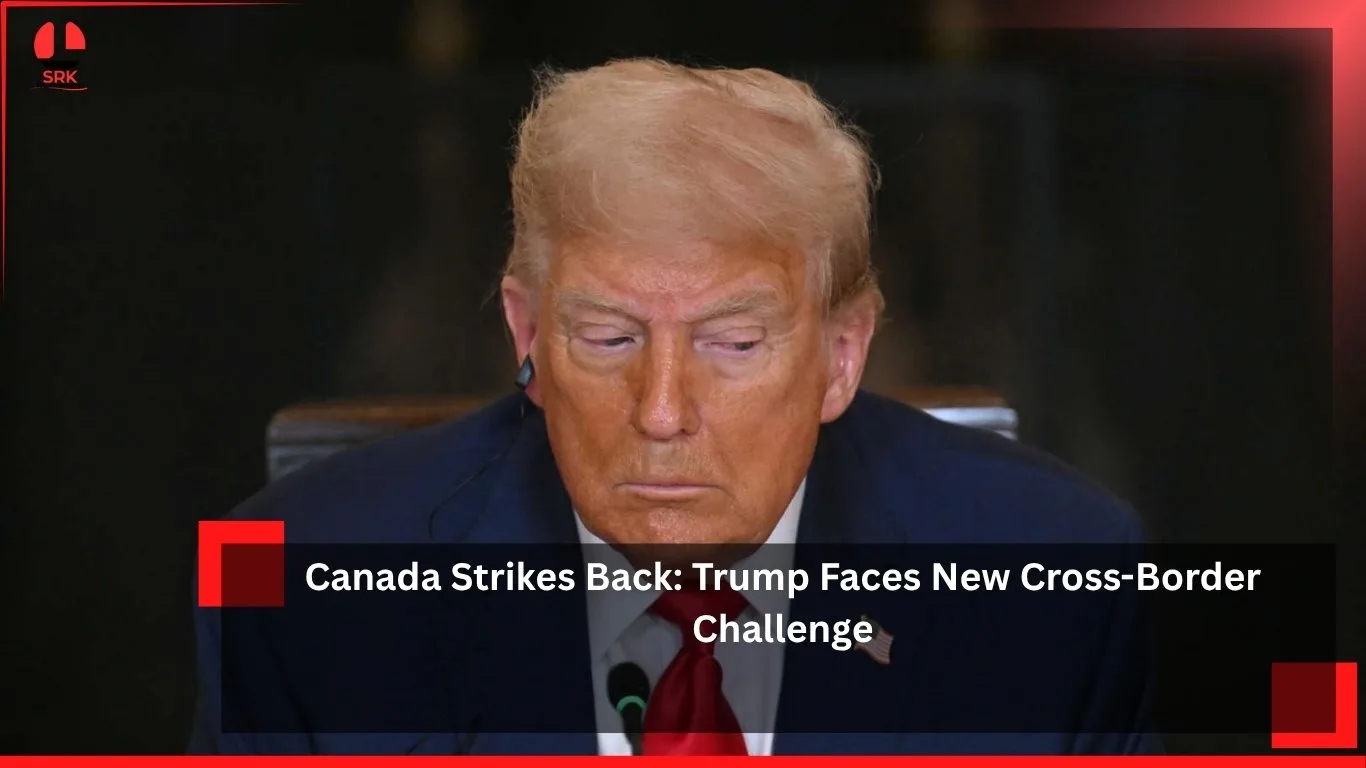




In a statement that has sent ripples across global trade and diplomatic circles, U.S. President Donald Trump has issued a fresh warning to India, suggesting that Washington could consider raising tariffs on Indian goods if New Delhi continues to expand its imports of Russian oil. The remarks highlight the growing tension between energy security, geopolitics, and trade relations, placing India’s strategic balancing act under intense scrutiny.
Background of the Warning
- India has significantly increased its imports of discounted Russian crude oil since 2022, following sanctions imposed by Western nations on Moscow.
- The move has helped India manage inflationary pressures and ensure energy security for its fast-growing economy.
- However, Washington has repeatedly expressed concern that such imports undermine sanctions and indirectly support Russia’s economy.
- Trump’s latest warning underscores the possibility of trade measures being used as leverage to influence India’s energy choices.
Key Highlights of Trump’s Statement
| Indicator | Details |
|---|---|
| Speaker | Donald Trump, U.S. President |
| Concern | India’s rising imports of Russian oil |
| Warning | Possible increase in tariffs on Indian goods |
| Impact | Strains India-U.S. trade relations |
| Broader Context | Geopolitical tensions over Russia sanctions |
Implications of Trump’s Warning
| Factor | Positive Impact | Challenges | Long-Term Implication |
|---|---|---|---|
| U.S.-India Relations | Encourages dialogue on energy security | Risk of trade friction | May reshape bilateral trade agreements |
| Indian Economy | Access to cheaper oil supports growth | Tariff hikes could hurt exports | Push for diversification of energy sources |
| Global Oil Market | Highlights India’s role as major buyer | Increased volatility | Greater focus on alternative suppliers |
| Geopolitical Strategy | Reinforces India’s independent stance | Pressure from Western allies | Balancing act between U.S. and Russia |
| Investor Sentiment | Signals India’s resilience | Risk of uncertainty in trade | Encourages risk management strategies |
Why This Story Matters
- Energy Security: India’s reliance on Russian oil reflects its need to secure affordable energy.
- Trade Relations: Tariff threats could impact billions in exports, from textiles to IT services.
- Geopolitical Balance: India must navigate ties with both Washington and Moscow.
- Global Impact: The warning adds to volatility in oil markets and trade flows.
- Policy Debate: Raises questions about how India should balance national interest with global expectations.
India’s Oil Imports from Russia
| Year | Share of Russian Oil in India’s Imports |
|---|---|
| 2021 | Less than 2% |
| 2022 | Rose to nearly 20% |
| 2023 | Surpassed 25% |
| 2024 | Stabilized around 30% |
| 2025 | Continued strong imports despite global pressure |
India’s decision to buy discounted Russian crude has saved billions in foreign exchange, but it has also drawn criticism from Western allies.
Expert Opinions
- Economists: Stress that tariffs could hurt India’s export-driven sectors.
- Energy Analysts: Highlight India’s need to diversify suppliers to reduce geopolitical risks.
- Diplomats: Suggest dialogue is essential to prevent escalation.
- Critics: Argue that Washington’s pressure undermines India’s sovereign energy choices.
Challenges Ahead
- Trade Risks: Tariff hikes could impact sectors like textiles, pharmaceuticals, and IT services.
- Energy Dependence: India must balance affordability with geopolitical risks.
- Diplomatic Pressure: Managing ties with both U.S. and Russia is complex.
- Global Volatility: Oil prices could rise if tensions escalate.
- Public Sentiment: Domestic opinion strongly favors affordable energy over external pressure.
Opportunities for India
- Diversification: Expand imports from Middle Eastern and African suppliers.
- Renewable Push: Accelerate investments in solar, wind, and green hydrogen.
- Strategic Dialogue: Strengthen diplomatic engagement with Washington.
- Regional Alliances: Collaborate with Asian partners for energy security.
- Economic Resilience: Use savings from discounted oil to invest in infrastructure.
Broader Context of Global Trade
- The U.S. has used tariffs as a tool to influence trade partners in the past.
- India’s growing economy makes it a critical player in global energy markets.
- Russia’s discounted oil exports have reshaped global trade flows.
- The warning reflects broader tensions between Western sanctions and emerging economies’ energy needs.
Public Sentiment
- Indian citizens largely support the government’s decision to prioritize affordable energy.
- Business leaders express concern about potential tariff hikes.
- Social media debates highlight the tension between sovereignty and global pressure.
- Overall sentiment reflects cautious optimism that diplomacy will prevent escalation.
Media Coverage
- News outlets worldwide reported Trump’s warning as a significant development in U.S.-India relations.
- Analysts debated whether tariffs are a realistic option or a negotiating tactic.
- Coverage emphasized India’s growing role in global energy markets.
- The story continues to dominate discussions in trade and diplomatic circles.
Conclusion
The warning by U.S. President Donald Trump that tariffs on India could be raised over Russian oil trade underscores the complex interplay of energy security, geopolitics, and trade relations. While India has benefited from discounted Russian crude, the threat of tariffs highlights the risks of balancing national interest with global expectations. The coming months will be crucial as India navigates diplomatic engagement with Washington while safeguarding its economic resilience.
Disclaimer
This article is intended for informational purposes only and does not constitute official policy advice. Political statements, trade strategies, and public sentiments are subject to change based on evolving circumstances. Readers are encouraged to follow official updates for accurate information. The author and publisher are not responsible for any decisions made based on this article.