




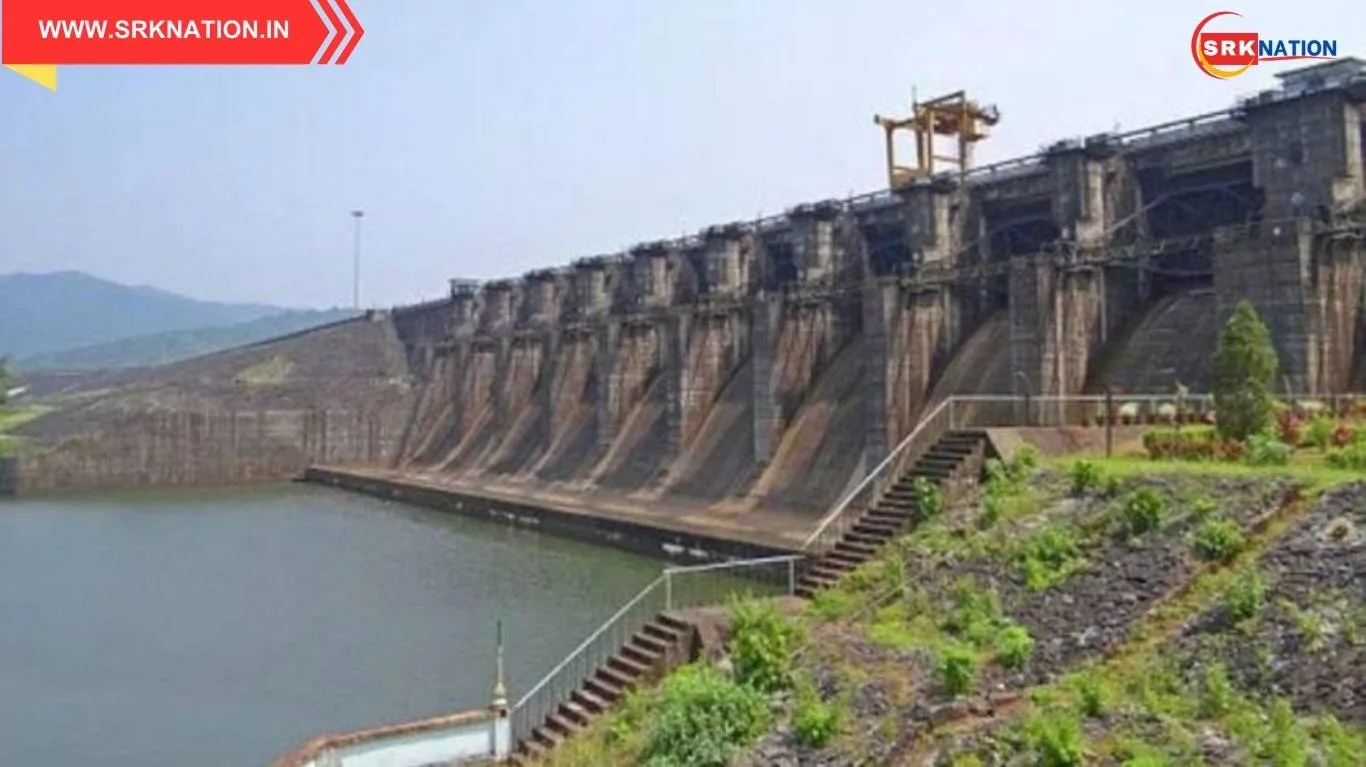
In a major boost to India’s renewable energy and infrastructure development, the Public Investment Board (PIB) has approved the Rs 26,069 crore Kamala Hydropower Project in Arunachal Pradesh. The project is expected to transform the energy landscape of the Northeast, strengthen India’s clean energy capacity, and contribute significantly to regional development.
Background of the Kamala Hydropower Project
- The Kamala Hydropower Project is one of the largest hydroelectric initiatives planned in Arunachal Pradesh.
- It is designed to harness the immense hydropower potential of the Kamala River, a tributary of the Subansiri.
- The project will generate thousands of megawatts of clean electricity, reducing dependence on fossil fuels.
- The approval by the PIB marks a critical milestone, paving the way for construction and implementation.
Key Highlights of the Project
| Indicator | Details |
|---|---|
| Project Name | Kamala Hydropower Project |
| Location | Arunachal Pradesh |
| Approved Investment | Rs 26,069 crore |
| Authority | Public Investment Board |
| Energy Source | Hydropower (Kamala River) |
| Broader Impact | Boost to renewable energy, regional development, employment generation |
Impact of Kamala Hydropower Project
| Factor | Immediate Impact | Long-Term Implication | National Significance |
|---|---|---|---|
| Energy Generation | Adds clean electricity capacity | Reduces fossil fuel dependence | Strengthens India’s renewable portfolio |
| Regional Development | Infrastructure growth in Arunachal | Boosts local economy | Integrates Northeast into national grid |
| Employment Opportunities | Jobs during construction | Skilled workforce development | Enhances socio-economic stability |
| Environmental Impact | Clean energy source | Potential ecological challenges | Requires sustainable management |
| Strategic Importance | Strengthens Northeast’s role | Enhances energy security | Supports India’s climate commitments |
Why This Story Matters
- Energy Security: The project will add significant renewable capacity to India’s energy mix.
- Regional Growth: Arunachal Pradesh will benefit from infrastructure, jobs, and economic opportunities.
- Climate Goals: Hydropower aligns with India’s commitment to reduce carbon emissions.
- Strategic Importance: Strengthens India’s presence in the Northeast, a region of geopolitical significance.
- Future Outlook: Sets the stage for more hydropower projects in the Himalayan belt.
Economic Significance
- The Rs 26,069 crore investment represents one of the largest infrastructure commitments in the Northeast.
- Construction will generate thousands of direct and indirect jobs.
- Local businesses will benefit from increased demand for goods and services.
- The project will contribute to Arunachal Pradesh’s GDP and improve living standards.
Environmental Considerations
- Hydropower is a clean energy source, reducing reliance on coal and oil.
- However, large projects can impact river ecosystems and biodiversity.
- Sustainable management practices will be critical to balance development with conservation.
- The project is expected to include measures for ecological preservation and community engagement.
Strategic Importance of Arunachal Pradesh
- Arunachal Pradesh holds immense hydropower potential, estimated at over 50,000 MW.
- The Kamala project is part of India’s broader plan to tap into this resource.
- Strengthening infrastructure in the Northeast also has geopolitical implications, given its proximity to international borders.
- The project enhances connectivity and integration of the region with the rest of India.
Expert Opinions
- Economists: Stress that the project will boost regional development and energy security.
- Environmentalists: Call for careful monitoring of ecological impacts.
- Policy Analysts: Highlight the strategic importance of investing in the Northeast.
- Energy Experts: Emphasize hydropower’s role in achieving India’s renewable energy targets.
Challenges Ahead
- Environmental Concerns: Ensuring minimal disruption to river ecosystems.
- Construction Risks: Managing logistics in difficult terrain.
- Community Engagement: Addressing concerns of local populations.
- Financial Management: Ensuring timely and efficient use of funds.
- Geopolitical Sensitivity: Balancing development with regional security considerations.
Opportunities for India
- Boost Renewable Energy: Strengthen India’s clean energy portfolio.
- Regional Integration: Improve infrastructure and connectivity in the Northeast.
- Employment Generation: Create jobs and skill development opportunities.
- Climate Leadership: Position India as a leader in sustainable energy.
- Strategic Advantage: Enhance India’s presence in a geopolitically sensitive region.
Broader Context of Hydropower in India
- India has significant hydropower potential, particularly in the Himalayan states.
- Hydropower projects contribute to balancing renewable energy with grid stability.
- The Kamala project is part of India’s push to achieve net-zero emissions by 2070.
- Similar projects in Arunachal, Sikkim, and Himachal Pradesh highlight the importance of the Himalayan belt in India’s energy future.
Public Sentiment
- Citizens in Arunachal Pradesh expressed optimism about jobs and development.
- Environmental groups urged caution to protect biodiversity.
- National sentiment reflects pride in India’s renewable energy progress.
- Social media discussions highlighted the project’s scale and significance.
Media Coverage
- Headlines emphasized the Rs 26,069 crore approval by the PIB.
- Analysts debated the balance between development and environmental concerns.
- Coverage highlighted the project’s role in India’s renewable energy roadmap.
- The story continues to dominate discussions in energy and policy circles.
Conclusion
The Public Investment Board’s clearance of the Rs 26,069 crore Kamala Hydropower Project in Arunachal Pradesh marks a historic step in India’s renewable energy journey. The project promises clean electricity, regional development, and strategic advantages, while also posing challenges that must be managed responsibly. As India accelerates its push toward sustainable energy, the Kamala project stands as a symbol of ambition, resilience, and commitment to a greener future.
Disclaimer
This article is intended for informational purposes only and does not constitute financial, environmental, or policy advice. Project details, environmental impacts, and public sentiments are subject to change based on evolving circumstances. Readers are encouraged to follow official updates for accurate information. The author and publisher are not responsible for any decisions made based on this article.