







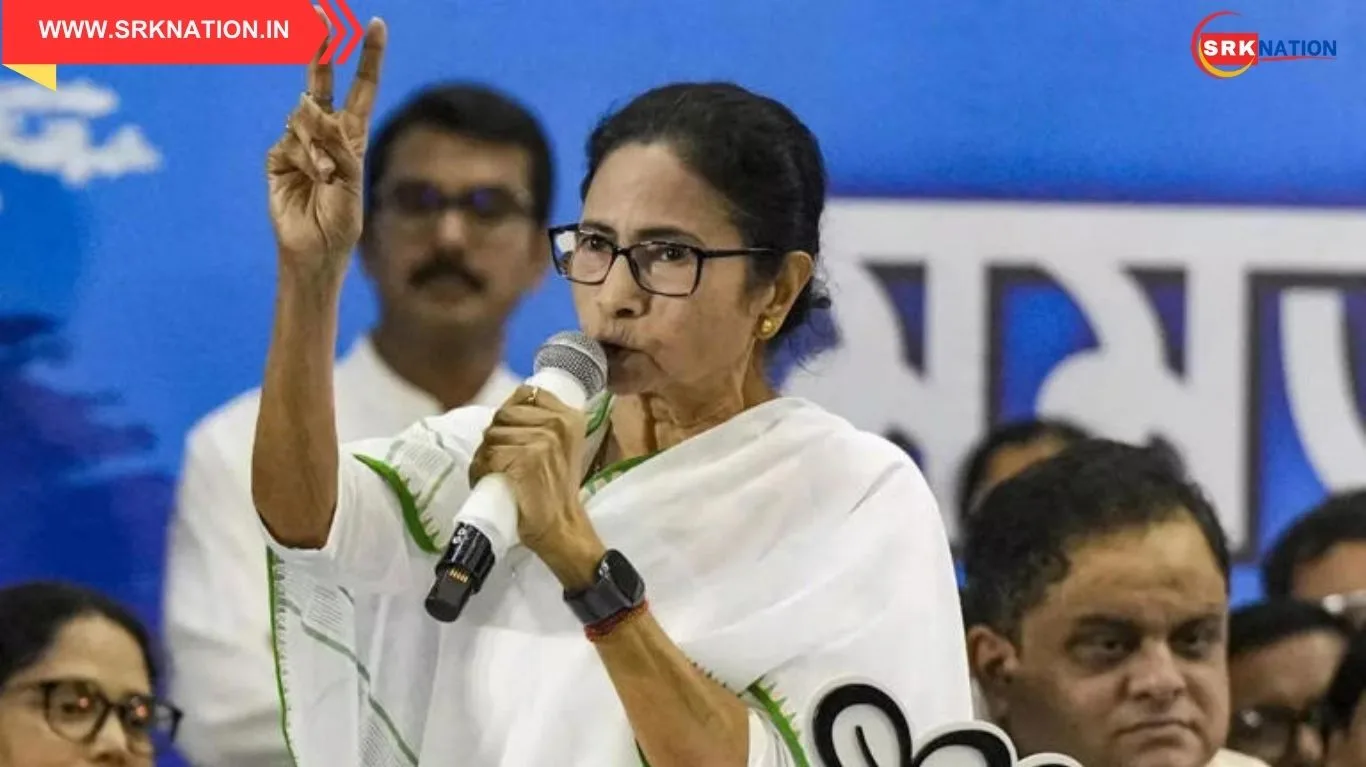
The political atmosphere in India witnessed a dramatic escalation after Trinamool Congress (TMC) MPs were detained during a protest, prompting West Bengal Chief Minister Mamata Banerjee to launch a scathing attack on the ruling Bharatiya Janata Party (BJP). In her fiery statement, Mamata declared, “This is democracy, not BJP’s private property,” accusing the central government of misusing institutions and undermining democratic values.
Background of the Incident
- Several TMC MPs were detained while staging a protest against alleged discrimination and central government policies.
- The protest was aimed at highlighting issues of federalism, economic injustice, and alleged misuse of power by the BJP-led government.
- The detentions sparked outrage within the TMC, with Mamata Banerjee stepping in to defend her party and criticize the ruling establishment.
- Her remarks have reignited debates about democracy, dissent, and the role of opposition parties in India’s political landscape.
Key Highlights of Mamata Banerjee’s Statement
| Indicator | Details |
|---|---|
| Occasion | Detention of TMC MPs during protest |
| Mamata’s Remark | “This is democracy, not BJP’s private property” |
| Target | BJP-led central government |
| Broader Message | Defense of democratic values and opposition rights |
| Political Impact | Intensifies TMC vs BJP rivalry |
Political Fallout of TMC MPs’ Detention
| Factor | Immediate Impact | Long-Term Implication | Public Sentiment |
|---|---|---|---|
| TMC’s Position | Condemns detention, rallies support | Strengthens opposition narrative | Sympathy among supporters |
| BJP’s Position | Defends law and order | Faces criticism over democratic values | Divided opinion |
| Opposition Unity | Sparks solidarity among non-BJP parties | Potential alliances in future | Encourages anti-BJP sentiment |
| Media Coverage | Highlights Mamata’s fiery remarks | Keeps democracy debate alive | Engages national audience |
| Electoral Impact | Energizes TMC cadre | Shapes 2026 campaign narratives | Polarizes voters |
Why This Story Matters
- Democracy Debate: Mamata’s remarks highlight concerns about democratic freedoms in India.
- Opposition Strategy: The incident strengthens TMC’s positioning as a vocal opposition force.
- Public Sentiment: Detentions of MPs raise questions about dissent and political rights.
- Electoral Context: The controversy could influence upcoming elections and alliances.
- National Discourse: Sparks discussions on federalism, governance, and institutional independence.
Mamata Banerjee’s Core Arguments
- Democracy vs Authoritarianism: Mamata accused the BJP of treating democratic institutions as private property.
- Rights of Opposition: She emphasized that opposition parties have the right to protest and dissent.
- Federalism Concerns: Mamata highlighted alleged discrimination against states not ruled by the BJP.
- Misuse of Institutions: She accused the central government of using agencies and law enforcement to suppress voices.
- Call for Unity: Mamata urged opposition parties to stand together against authoritarian tendencies.
Impact on TMC’s Political Strategy
- The incident has energized TMC cadres, reinforcing Mamata’s image as a fearless leader.
- Her remarks are likely to resonate with voters who feel marginalized or disillusioned.
- TMC may use the controversy to strengthen its national presence beyond West Bengal.
- The party’s narrative of defending democracy could become a central theme in upcoming campaigns.
Opposition Reactions
- Several opposition leaders expressed solidarity with TMC MPs.
- Calls for safeguarding democratic institutions gained momentum.
- The incident may pave the way for stronger opposition coordination against BJP.
- Non-BJP parties are likely to leverage the controversy to highlight governance concerns.
Public Sentiment
- Supporters of TMC praised Mamata’s bold stance.
- Critics argued that protests must remain within legal boundaries.
- Neutral observers emphasized the importance of balancing dissent with law and order.
- Social media debates reflected polarized opinions, with hashtags trending around democracy and dissent.
Expert Opinions
- Political Analysts: Stress that Mamata’s remarks could shape national opposition narratives.
- Constitutional Experts: Highlight the importance of protecting parliamentary privileges and dissent.
- Economists: Note that federal tensions could impact resource allocation and governance.
- Sociologists: Emphasize the role of protests in strengthening democratic culture.
Challenges Ahead
- Maintaining Opposition Unity: Ensuring solidarity among diverse parties.
- Balancing Protest and Governance: Managing dissent without disrupting public order.
- Electoral Strategy: Translating outrage into voter support.
- Media Narratives: Countering BJP’s defense of law and order.
- Public Trust: Convincing citizens of genuine democratic concerns.
Opportunities for TMC
- Strengthen National Presence: Use the incident to expand influence beyond Bengal.
- Champion Democracy: Position itself as a defender of democratic values.
- Build Alliances: Collaborate with other opposition parties for collective strength.
- Mobilize Youth and Civil Society: Engage citizens in debates on democracy.
- Shape Electoral Narrative: Use the controversy to energize campaigns.
Broader Context of Democracy in India
- India’s democracy thrives on dissent, debate, and opposition participation.
- Detentions of MPs raise questions about the balance between governance and rights.
- Mamata’s remarks reflect broader concerns about institutional independence.
- The incident underscores the importance of safeguarding democratic traditions in a diverse nation.
Media Coverage
- Headlines emphasized Mamata’s fiery statement against BJP.
- Analysts debated the implications for democracy and governance.
- Coverage highlighted the detention of MPs and opposition reactions.
- The story continues to dominate political discussions nationwide.
Conclusion
The statement by Mamata Banerjee — “This is democracy, not BJP’s private property” — after the detention of TMC MPs has reignited debates about democratic values, dissent, and governance in India. Her remarks underscore the role of opposition parties in safeguarding democracy and resisting authoritarian tendencies. As the controversy unfolds, it is likely to shape political narratives, opposition strategies, and public sentiment ahead of crucial electoral battles.
Disclaimer
This article is intended for informational purposes only and does not constitute political endorsement or criticism. Political statements, party strategies, and public sentiments are subject to change based on evolving circumstances. Readers are encouraged to follow official updates for accurate information. The author and publisher are not responsible for any decisions made based on this article.