




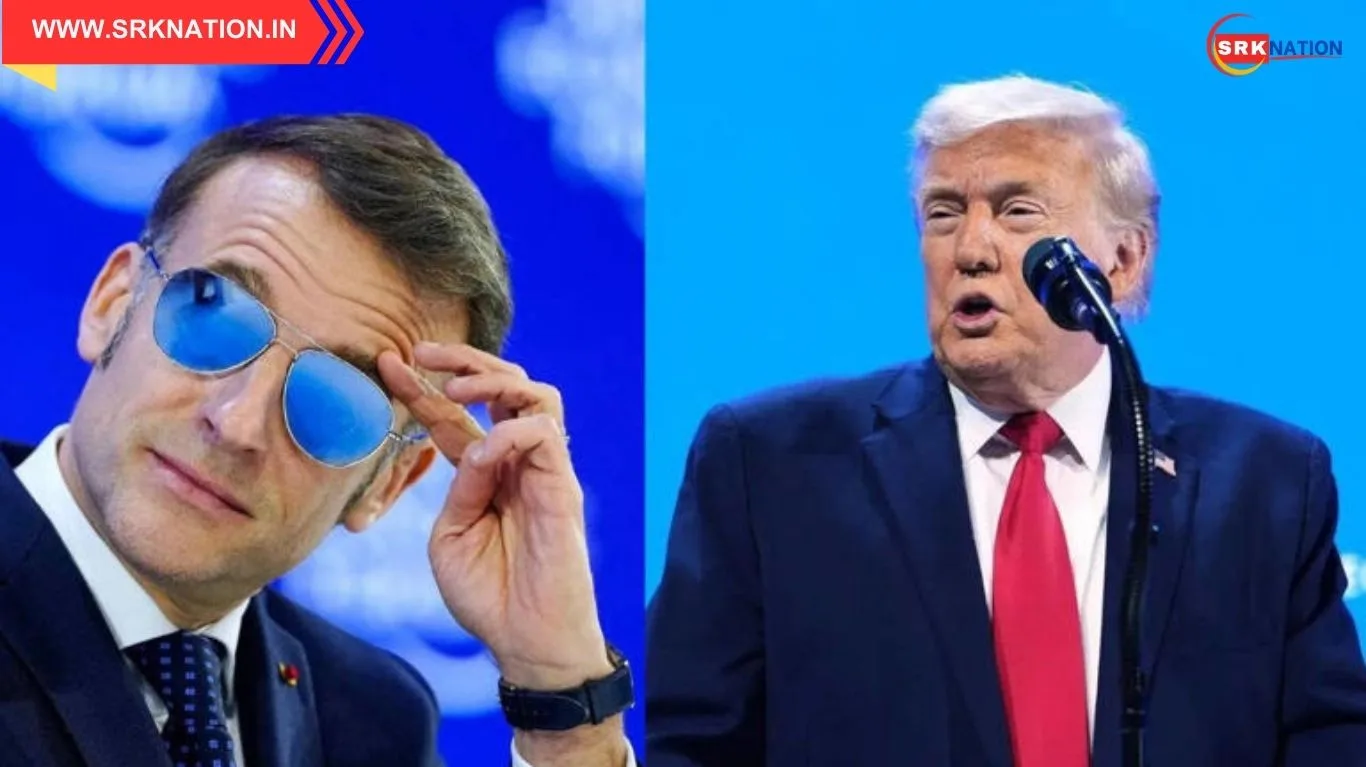
A diplomatic exchange between China and France has drawn global attention after French President Emmanuel Macron described certain Chinese products as a “problem” for European markets. In response, Chinese officials firmly rejected the characterization, stating that China has never engaged in unfair trade practices and that its products meet international standards of quality, competitiveness, and compliance. The incident underscores ongoing tensions between Europe and China over trade, industrial policy, and global market dynamics.
Background of the Dispute
- Macron’s remarks came during a discussion on Europe’s economic challenges, where he highlighted concerns about the influx of Chinese products in sectors such as electric vehicles, solar panels, and consumer electronics.
- He argued that subsidized Chinese goods create distortions in the European market, posing risks to local industries.
- China swiftly responded, emphasizing that its products are competitive due to innovation, efficiency, and scale, not unfair practices.
- The exchange reflects broader debates about globalization, industrial competition, and the balance between free trade and protectionism.
Key Highlights
| Indicator | Details |
|---|---|
| French Position | Macron: Chinese products pose a “problem” |
| Chinese Response | “China has never engaged in unfair practices” |
| Areas of Concern | Electric vehicles, solar panels, consumer electronics |
| Broader Impact | Strains EU-China trade relations |
| Public Sentiment | Divided – support for local industries vs defense of free trade |
France vs China Perspectives
| Factor | France’s Position | China’s Position | Implication |
|---|---|---|---|
| Market Competition | Subsidized goods distort markets | Products competitive due to efficiency | Debate on fairness |
| Industrial Policy | Protect European industries | Promote innovation and scale | Policy divergence |
| Trade Practices | Concerns about subsidies | Denial of unfair practices | Diplomatic tension |
| Public Sentiment | Support for local jobs | Defense of global competitiveness | Polarized views |
| Global Impact | Push for EU protectionism | Advocacy for free trade | Shaping global trade rules |
Why This Story Matters
- Trade Relations: Highlights growing strains between Europe and China.
- Industrial Competition: Reflects challenges faced by European industries in competing with Chinese goods.
- Global Governance: Raises questions about fairness in international trade.
- Public Debate: Sparks discussions on balancing free trade with local industry protection.
- Future Outlook: Impacts EU-China negotiations and global trade dynamics.
France’s Concerns
- Macron emphasized that Chinese subsidies in sectors like electric vehicles and solar panels create unfair advantages.
- European industries fear job losses and declining competitiveness.
- Calls for stronger EU trade policies, including tariffs and anti-subsidy measures, have gained momentum.
- France advocates for balancing free trade with strategic protection of local industries.
China’s Response
- Chinese officials rejected Macron’s remarks, stating that China has never engaged in unfair practices.
- They emphasized that competitiveness stems from innovation, efficiency, and economies of scale.
- China highlighted its compliance with international trade rules and standards.
- Officials warned against protectionism, arguing it undermines global cooperation.
Expert Opinions
- Economists: Stress that subsidies are common globally, not unique to China.
- Trade Analysts: Note that Europe faces structural challenges in competing with China’s scale.
- Environmentalists: Highlight that affordable Chinese products accelerate green transitions.
- Critics: Warn that protectionism could escalate trade tensions and harm consumers.
Challenges Ahead
- EU-China Relations: Managing tensions while maintaining cooperation.
- Industrial Competitiveness: Ensuring European industries remain viable.
- Global Trade Rules: Addressing disputes over subsidies and fairness.
- Public Sentiment: Balancing consumer benefits with local job protection.
- Diplomatic Engagement: Preventing escalation into broader trade conflicts.
Opportunities for Cooperation
- Green Transition: Collaborate on renewable energy and electric vehicles.
- Innovation Partnerships: Joint research in technology and sustainability.
- Trade Dialogue: Strengthen communication to resolve disputes.
- Market Diversification: Encourage balanced trade flows.
- Global Governance: Work together on reforming trade institutions.
Broader Context of Global Trade
- The dispute reflects broader tensions in globalization, where industrial competition often leads to friction.
- Europe’s push for protectionism contrasts with China’s advocacy for free trade.
- The debate underscores the need for reforms in global trade governance.
- Similar disputes have emerged in other regions, highlighting the global nature of the challenge.
Sectoral Breakdown of Impact
| Sector | Impact | Strategic Importance |
|---|---|---|
| Electric Vehicles | Competition intensifies | Green transition |
| Solar Panels | Affordable imports | Renewable energy goals |
| Consumer Electronics | Market saturation | Innovation and jobs |
| Trade Policy | Calls for tariffs | EU-China relations |
| Global Governance | Debate on fairness | Reform of institutions |
Media Coverage
- Headlines emphasize Macron’s remarks and China’s strong response.
- Analysts debate whether Chinese products are subsidized or simply competitive.
- Coverage highlights the broader implications for EU-China trade relations.
- The story continues to dominate discussions in economic and diplomatic circles.
Conclusion
The exchange between Macron and China over the “problem” of Chinese products underscores the complexities of global trade. While France raises concerns about subsidies and competitiveness, China firmly denies engaging in unfair practices, emphasizing innovation and efficiency. The dispute reflects broader tensions between protectionism and free trade, with significant implications for EU-China relations and global governance. The challenge lies in balancing industrial competitiveness with consumer benefits, ensuring that trade remains fair, inclusive, and sustainable.
Disclaimer
This article is intended for informational purposes only and does not constitute economic or diplomatic advice. Statements, trade policies, and international relations are subject to change based on evolving circumstances. Readers are encouraged to follow official updates for accurate information. The author and publisher are not responsible for any decisions made based on this article.