



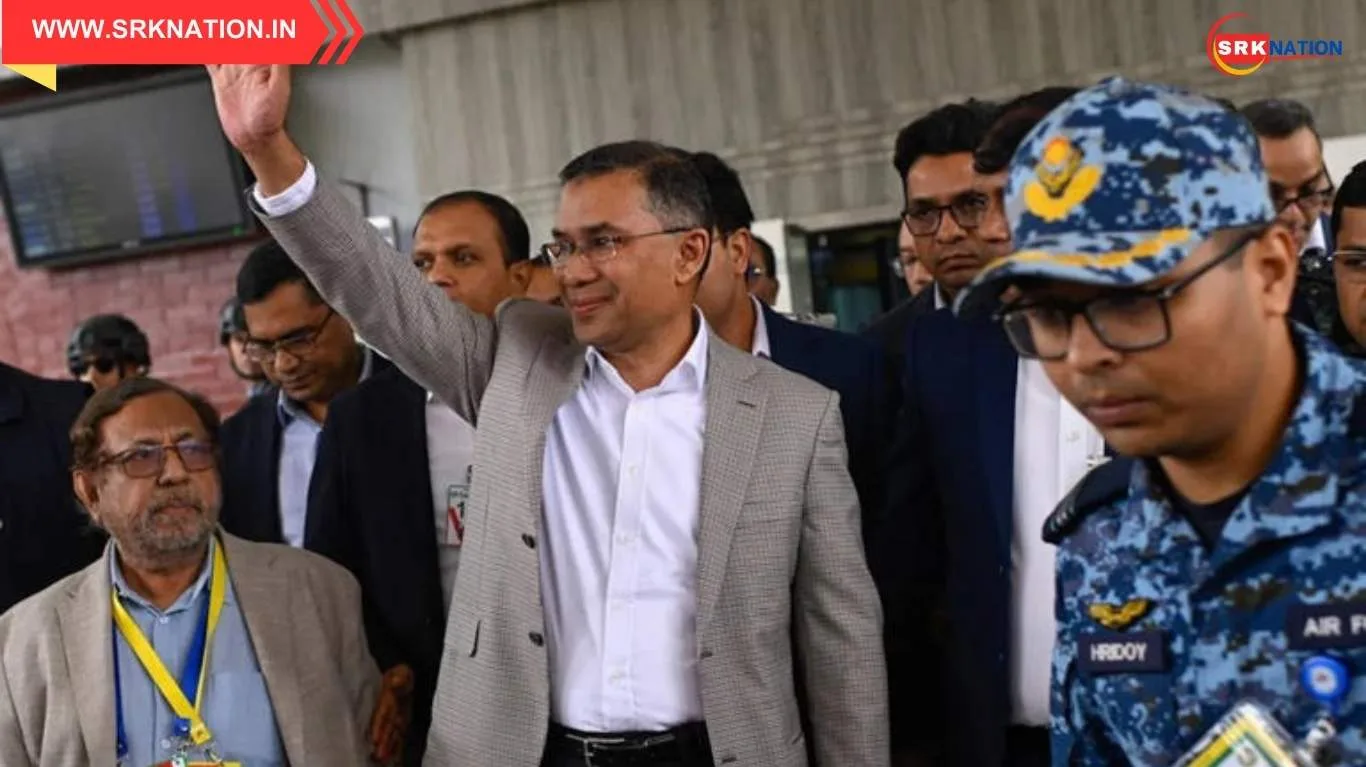
Bangladesh’s political landscape has entered a new phase as Tarique Rahman, acting chairman of the Bangladesh Nationalist Party (BNP), launched his campaign under the slogan “Not Dilli, Not Pindi – Bangladesh First Agenda.” The phrase, symbolic and provocative, underscores Rahman’s emphasis on prioritizing national interests over external influences, particularly those perceived to come from New Delhi (India’s capital) and Rawalpindi (Pakistan’s military headquarters). His campaign seeks to redefine Bangladesh’s political narrative by focusing on sovereignty, economic independence, and people-centric governance.
Background of the Campaign
- Tarique Rahman has long been a controversial figure in Bangladesh politics, living abroad while continuing to influence BNP’s strategies.
- His new campaign slogan highlights a rejection of external dominance and a call for Bangladesh to chart its own course.
- The “Bangladesh First Agenda” emphasizes economic reforms, anti-corruption measures, and strengthening democratic institutions.
- The campaign comes at a time when Bangladesh faces challenges in governance, economic stability, and regional geopolitics.
Key Highlights
| Indicator | Details |
|---|---|
| Campaign Slogan | “Not Dilli, Not Pindi – Bangladesh First Agenda” |
| Leader | Tarique Rahman, BNP Acting Chairman |
| Focus Areas | Sovereignty, economy, governance, democracy |
| Broader Impact | Sparks debate on nationalism and foreign influence |
| Public Sentiment | Divided – support for sovereignty, skepticism over execution |
Bangladesh First Agenda vs Traditional Politics
| Factor | Bangladesh First Agenda | Traditional Politics | Implication |
|---|---|---|---|
| Sovereignty | Rejects external influence | Often aligned with regional powers | Nationalist appeal |
| Economic Policy | Focus on independence, reforms | Reliance on external loans, aid | Self-reliance narrative |
| Governance | Anti-corruption, transparency | Criticism of entrenched corruption | Public trust building |
| Democracy | Strengthen institutions | Accusations of authoritarianism | Reformist image |
| Public Sentiment | Hope for change | Skepticism about delivery | Divided electorate |
Why This Story Matters
- National Identity: Highlights the tension between sovereignty and regional geopolitics.
- Economic Independence: Reflects growing calls for reducing reliance on external aid.
- Democratic Reform: Positions BNP as a reformist alternative to the ruling party.
- Public Debate: Sparks discussions on nationalism, governance, and foreign policy.
- Future Outlook: Shapes the trajectory of Bangladesh’s upcoming elections.
Tarique Rahman’s Vision
- Sovereignty First: Rejecting external dominance, Rahman emphasizes Bangladesh’s right to self-determination.
- Economic Reform: Focus on reducing corruption, boosting local industries, and ensuring fair trade.
- Democratic Institutions: Strengthening judiciary, parliament, and electoral processes.
- Youth Engagement: Encouraging young voters to participate actively in shaping the nation’s future.
- Global Positioning: Advocating for Bangladesh to assert itself as an independent voice in international forums.
Public and Political Reactions
- Supporters: Applaud the nationalist tone and emphasis on sovereignty.
- Critics: Question Rahman’s ability to deliver reforms given his controversial past.
- Neutral Observers: Highlight the symbolic power of the slogan but stress the need for practical policies.
- Ruling Party Response: Dismisses the campaign as rhetoric without substance.
Expert Opinions
- Political Analysts: Note that Rahman’s slogan resonates with nationalist sentiments but may polarize voters.
- Economists: Stress that economic independence requires structural reforms, not just slogans.
- Sociologists: Highlight the appeal of sovereignty narratives in times of uncertainty.
- Critics: Warn that rejecting external influence could isolate Bangladesh diplomatically.
Challenges Ahead
- Economic Stability: Ensuring reforms without jeopardizing growth.
- Diplomatic Relations: Balancing sovereignty with regional cooperation.
- Public Trust: Overcoming skepticism about BNP’s governance record.
- Youth Engagement: Translating slogans into actionable policies for young voters.
- Election Strategy: Building momentum while countering ruling party narratives.
Opportunities for BNP
- Nationalist Appeal: Capitalize on sovereignty narratives to mobilize support.
- Economic Reform Agenda: Present detailed policies to attract middle-class voters.
- Youth Mobilization: Engage young voters through digital campaigns.
- Global Positioning: Advocate for Bangladesh’s independent role in international forums.
- Coalition Building: Strengthen alliances with smaller parties to broaden support.
Broader Context of Bangladesh Politics
- Bangladesh’s political landscape has long been dominated by the rivalry between BNP and Awami League.
- Sovereignty and nationalism have often been central themes in political campaigns.
- The “Bangladesh First Agenda” reflects broader global trends of populism and nationalism.
- Regional geopolitics, particularly relations with India and Pakistan, remain sensitive issues.
Sectoral Breakdown of Impact
| Sector | Impact | Strategic Importance |
|---|---|---|
| Economy | Push for independence | Growth and stability |
| Governance | Anti-corruption focus | Public trust |
| Democracy | Strengthening institutions | Reformist image |
| Diplomacy | Rejecting external influence | Global positioning |
| Public Sentiment | Divided electorate | Election outcome |
Media Coverage
- Headlines highlight the provocative slogan and nationalist tone.
- Analysts debate whether Rahman’s campaign can translate rhetoric into policy.
- Coverage emphasizes the broader implications for Bangladesh’s elections.
- The story continues to dominate discussions in political and media circles.
Conclusion
The launch of Tarique Rahman’s “Not Dilli, Not Pindi – Bangladesh First Agenda” campaign marks a significant moment in Bangladesh’s political narrative. By emphasizing sovereignty, economic independence, and democratic reform, Rahman seeks to position BNP as a nationalist alternative to the ruling party. While the slogan resonates with public sentiment, challenges remain in translating rhetoric into actionable policies. The campaign underscores the complexities of Bangladesh’s politics, where nationalism, governance, and regional geopolitics intersect.
Disclaimer
This article is intended for informational purposes only and does not constitute political or policy advice. Statements, campaign strategies, and electoral outcomes are subject to change based on evolving circumstances. Readers are encouraged to follow official updates for accurate information. The author and publisher are not responsible for any decisions made based on this article.