



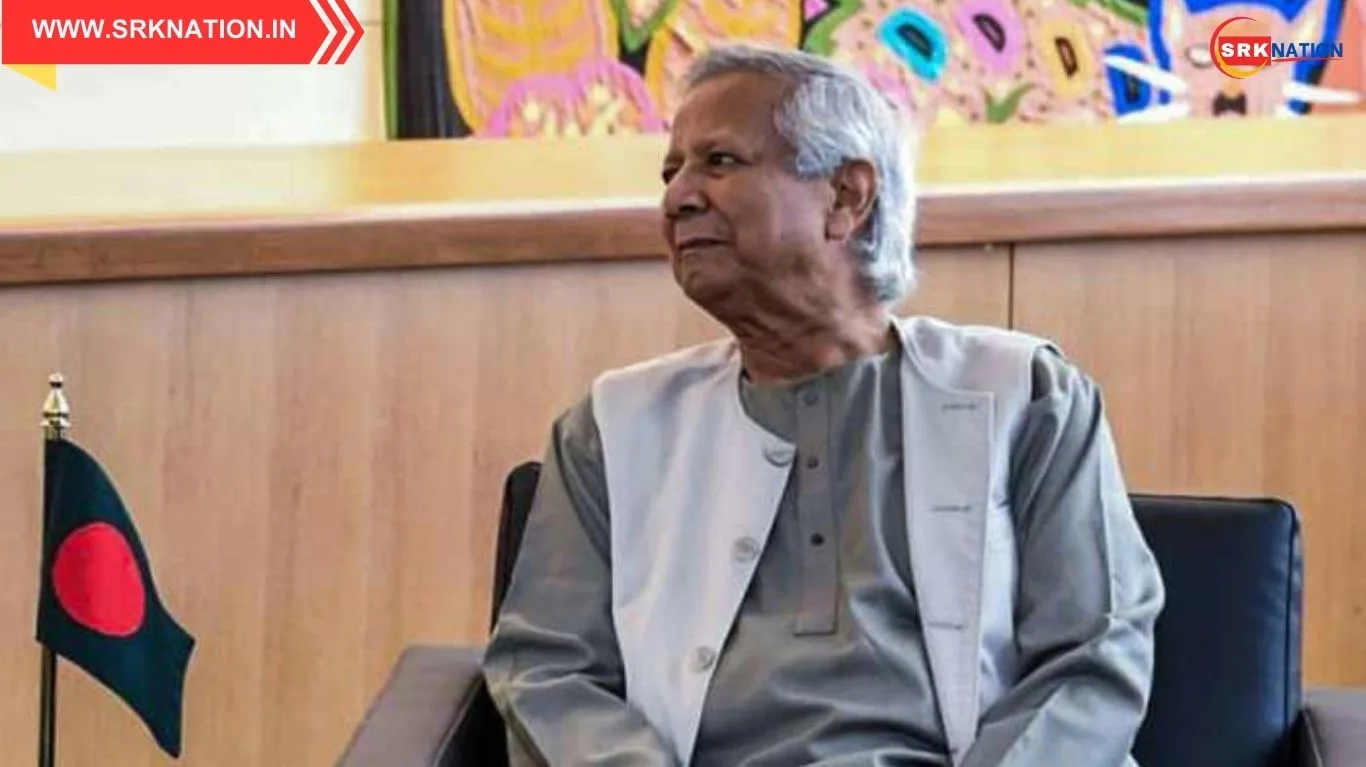
Bangladesh’s political landscape has been shaken by reports of Muhammad Yunus, Nobel laureate and interim government head, allegedly aligning with Jamaat-e-Islami in a deal that critics say tilts towards Pakistan’s strategic interests. This development has sparked intense debate over the future of Bangladesh’s autonomy, sovereignty, and democratic trajectory.
Background of the Controversy
- Yunus, globally recognized for his microfinance initiatives, has recently stepped into a political role in Bangladesh.
- His alleged deal with Jamaat-e-Islami, a party historically linked with Pakistan during the 1971 Liberation War, has raised alarms.
- Critics argue that such alignment could undermine Bangladesh’s independence and empower forces that once opposed its sovereignty.
- Supporters claim Yunus is attempting to broaden his coalition, but the risks to national identity and autonomy are significant.
Key Highlights
| Indicator | Details |
|---|---|
| Political Figure | Muhammad Yunus |
| Controversial Partner | Jamaat-e-Islami |
| Alleged Shift | Pro-Pakistan leanings |
| National Concern | Threat to autonomy and sovereignty |
| Public Reaction | Polarized, with widespread criticism |
Risks vs Perceived Gains
| Factor | Risks | Perceived Gains | Implication |
|---|---|---|---|
| National Autonomy | Undermined by Pakistan-linked influence | Broader coalition | Sovereignty at stake |
| Political Stability | Heightened tensions | Temporary support | Fragile governance |
| International Relations | Strained with India, West | Possible Pakistan goodwill | Regional imbalance |
| Public Sentiment | Distrust, anger | Limited support base | Polarized society |
| Long-Term Outlook | Weakening of independence | Short-term political leverage | Dangerous precedent |
Why This Story Matters
- Historical Context: Jamaat’s role in 1971 makes any alliance deeply controversial.
- National Identity: Bangladesh’s sovereignty could be compromised by pro-Pakistan leanings.
- Regional Balance: India and other allies may view this as a destabilizing move.
- Public Sentiment: Citizens fear erosion of hard-won independence.
- Future Outlook: Could reshape Bangladesh’s political and diplomatic trajectory.
Yunus’ Perspective
- Yunus has not publicly admitted to a pro-Pakistan stance but is accused of seeking Jamaat’s support.
- His defenders argue he is attempting to stabilize governance by including diverse voices.
- Critics insist this undermines the sacrifices of 1971 and risks national autonomy.
Jamaat’s Position
- Jamaat sees the deal as an opportunity to regain political relevance.
- Their historical ties to Pakistan make the alliance controversial.
- The party’s inclusion could embolden Islamist politics in Bangladesh.
Expert Opinions
- Political Analysts: Warn that Yunus risks alienating mainstream citizens by aligning with Jamaat.
- Historians: Emphasize the betrayal of 1971’s legacy.
- Diplomatic Experts: Predict strained ties with India and Western allies.
- Critics: Argue that autonomy could be compromised if Pakistan-linked forces gain influence.
Challenges Ahead
- Public Backlash: Managing widespread anger over Jamaat’s inclusion.
- Regional Diplomacy: Balancing relations with India and Pakistan.
- Governance Stability: Preventing political fragmentation.
- Security Concerns: Avoiding extremist influence in governance.
- Historical Accountability: Reconciling Jamaat’s past with present politics.
Opportunities
- Coalition Building: Broader political base, though risky.
- Dialogue: Potential for inclusive governance if managed carefully.
- International Mediation: Opportunity for diplomatic engagement.
- Reform: Chance to redefine political structures.
- Public Debate: Sparks national conversation on autonomy.
Broader Context of Bangladesh Politics
- Bangladesh’s independence in 1971 was achieved against Pakistan’s opposition, with Jamaat supporting Pakistan.
- Aligning with Jamaat revives painful memories and raises sovereignty concerns.
- Regional geopolitics make Bangladesh’s autonomy crucial for South Asian stability.
- Yunus’ alleged shift reflects the complexities of balancing governance with coalition politics.
Sectoral Breakdown of Impact
| Sector | Impact | Strategic Importance |
|---|---|---|
| Politics | Polarization | Governance stability |
| Diplomacy | Strained ties | Regional balance |
| Society | Public anger | National identity |
| Security | Risk of extremism | Sovereignty protection |
| Economy | Investor uncertainty | Stability required |
Media Coverage
- Headlines emphasize Yunus’ alleged pro-Pakistan shift.
- Analysts debate the risks to Bangladesh’s autonomy.
- Coverage highlights public anger and regional concerns.
- The story dominates discussions in South Asian political circles.
Conclusion
The alleged pro-Pakistan shift by Muhammad Yunus through a Jamaat deal signals a huge risk to Bangladesh’s autonomy. While some argue it is a pragmatic move to broaden governance, critics warn it undermines the sacrifices of 1971 and threatens sovereignty. The controversy underscores the fragile balance between coalition politics and national identity, with implications for Bangladesh’s future stability and regional relations.
Disclaimer
This article is intended for informational purposes only and does not constitute political or professional advice. Statements, policies, and outcomes are subject to change based on evolving circumstances. Readers are encouraged to follow official updates for accurate information. The author and publisher are not responsible for any decisions made based on this article.