



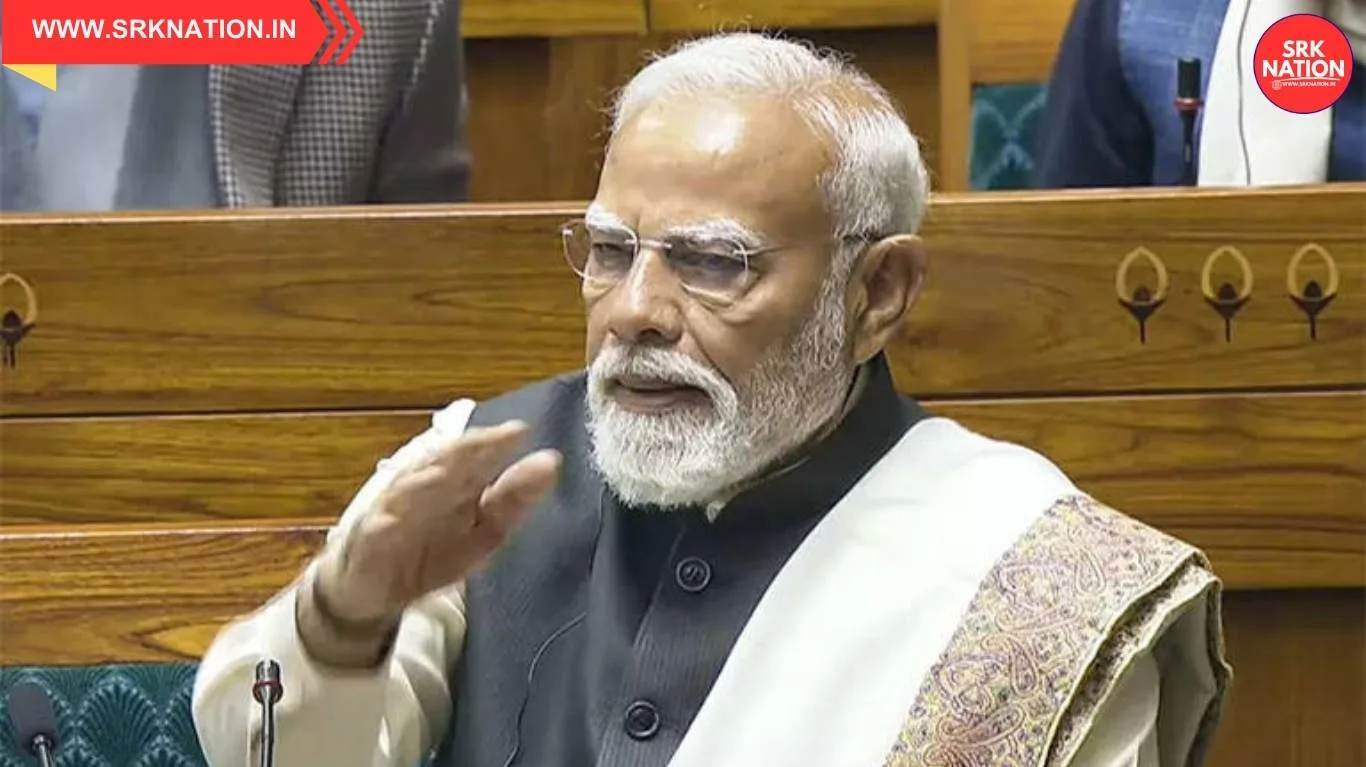
The Union Budget 2026 has unveiled a new flagship rural employment scheme named after Mahatma Gandhi, following weeks of controversy surrounding the proposed renaming of the Mahatma Gandhi National Rural Employment Guarantee Act (MNREGA). The announcement seeks to reaffirm the government’s commitment to rural development while addressing criticism that the earlier move to alter MNREGA’s identity undermined the legacy of the Father of the Nation.
Background of the Controversy
The debate began when reports suggested that MNREGA, India’s largest rural employment program, might undergo a name change to align with new policy directions. Opposition parties and civil society groups strongly opposed the idea, arguing that removing Mahatma Gandhi’s name would dilute the scheme’s symbolic value.
The government’s decision to launch a new scheme under Gandhi’s name in the Union Budget appears to be a strategic response to this backlash.
Features of the New Scheme
The new scheme, tentatively titled Mahatma Gandhi Rural Employment and Development Scheme (MGREDS), aims to expand beyond wage employment to include skill development, infrastructure creation, and sustainable livelihoods.
| Feature | Description | Expected Impact |
|---|---|---|
| Employment Guarantee | Assures minimum 100 days of work annually | Strengthens rural income security |
| Skill Development | Training in agriculture, crafts, and digital skills | Enhances employability |
| Infrastructure Projects | Roads, irrigation, housing | Improves rural connectivity |
| Sustainability Focus | Renewable energy and eco-friendly projects | Promotes green development |
| Women Participation | Special provisions for women workers | Encourages gender equality |
Budgetary Allocation
The Union Budget 2026 has allocated a significant sum to the new scheme, ensuring continuity of rural employment programs while expanding their scope.
| Year | Allocation (Rs crore) | Focus Area |
|---|---|---|
| 2024 | 60,000 | Wage employment |
| 2025 | 65,000 | Skill development pilot |
| 2026 | 75,000 | Launch of MGREDS with expanded scope |
Political Reactions
The announcement has triggered mixed responses across the political spectrum:
- Ruling Party Leaders: Hailed the scheme as a reaffirmation of Gandhi’s legacy and a modernization of rural employment.
- Opposition Parties: Criticized the government for initially attempting to rename MNREGA, calling the new scheme a “damage control exercise.”
- Civil Society Groups: Welcomed the continued association with Gandhi but demanded clarity on implementation.
Public Sentiment
Rural communities have expressed cautious optimism. While many welcome the increased allocation and expanded scope, concerns remain about effective implementation and timely wage payments.
Comparative Analysis of Rural Employment Schemes
| Scheme | Year Introduced | Key Focus | Current Status |
|---|---|---|---|
| MNREGA | 2005 | Wage employment guarantee | Operational |
| PM-KUSUM | 2019 | Solar energy for farmers | Limited coverage |
| MGREDS (New) | 2026 | Employment + skill + sustainability | Newly launched |
This comparison shows how MGREDS seeks to integrate employment with long-term development goals.
Implications for Rural India
The new scheme could reshape rural development in several ways:
- Provide stable income opportunities for millions of households.
- Equip rural workers with skills for modern industries.
- Strengthen infrastructure in villages, boosting connectivity.
- Promote sustainable practices aligned with climate goals.
Conclusion
The headline “After Row Over MNREGA Name Change, Union Budget 2026 Announces Launch of New Scheme in Name of Mahatma Gandhi” reflects the government’s attempt to balance political sensitivities with developmental priorities. By retaining Gandhi’s name in a new flagship program, the government has sought to reaffirm its respect for his legacy while modernizing rural employment initiatives.
The success of the scheme will depend on effective implementation, timely funding, and the ability to integrate skill development with traditional employment guarantees.
Disclaimer
This article is intended for informational and analytical purposes only. It reflects current policy developments and perspectives within India. The content does not represent official statements from the Government of India, the Ministry of Finance, or any political party. Readers should verify facts through authoritative sources before drawing conclusions.