





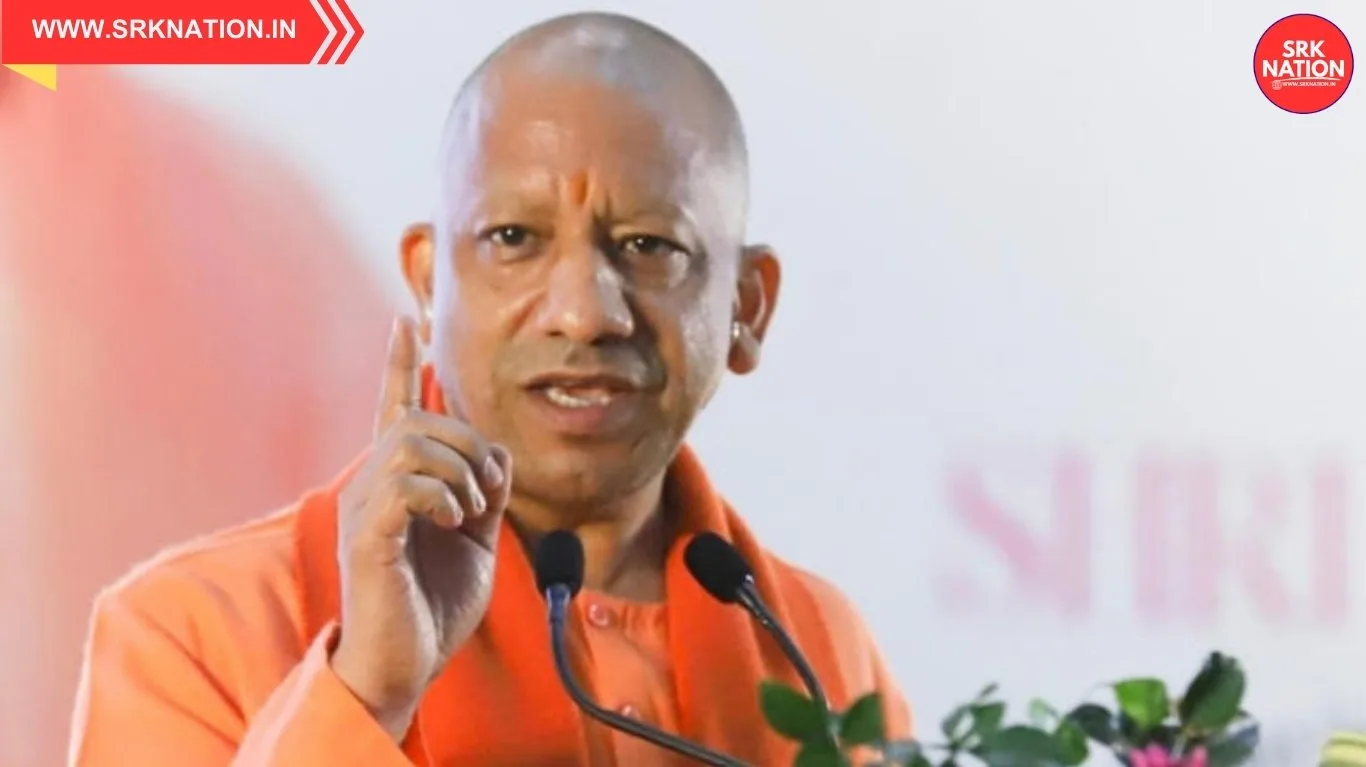
The Uttar Pradesh government has taken a strict step by withholding the salaries of more than 68,000 employees who failed to submit their mandatory asset disclosure statements. This move, announced as part of the state’s transparency and accountability drive, has sparked widespread debate across administrative circles, unions, and political parties.
The Decision
The directive requires all government employees to disclose their movable and immovable assets annually. Despite repeated reminders, thousands of employees across departments did not comply, prompting the government to freeze their salaries until disclosures are filed.
Key highlights:
- Over 68,000 employees affected across multiple departments.
- Salaries withheld until asset details are submitted.
- Aim is to promote transparency and curb corruption.
Departments Affected
The withheld salaries span across various departments, including education, health, public works, and local administration.
| Department | Employees Affected | Reason for Withholding |
|---|---|---|
| Education | 25,000+ | Non-disclosure of property and investments |
| Health | 15,000+ | Failure to submit annual asset reports |
| Public Works | 10,000+ | Pending declarations of land and housing |
| Local Administration | 18,000+ | Non-compliance with disclosure rules |
Government’s Stand
Officials have emphasized that asset disclosure is a mandatory requirement under service rules. The move is intended to:
- Ensure accountability among employees.
- Prevent accumulation of disproportionate assets.
- Strengthen anti-corruption measures.
Employee Reactions
The decision has triggered strong reactions from employees and unions:
- Supporters: Argue that transparency is essential and rules must be followed.
- Critics: Claim the move is harsh and punishes employees collectively.
- Unions: Demand an extension of deadlines and reconsideration of salary freezes.
Comparative Analysis of Transparency Measures
| State | Measure | Impact |
|---|---|---|
| Uttar Pradesh | Salary freeze for non-disclosure | Immediate compliance push |
| Maharashtra | Warning notices, gradual penalties | Moderate compliance |
| Karnataka | Online disclosure system | Higher efficiency |
| Bihar | Strict audits, disciplinary action | Strong deterrence |
This comparison shows how UP’s approach is among the strictest in India.
Political Reactions
Opposition parties have criticized the move, calling it an attempt to intimidate employees. They argue that while transparency is important, withholding salaries affects families and livelihoods. The ruling party, however, has defended the decision as necessary to enforce discipline.
Public Sentiment
Public opinion remains divided:
- Supporters of the move: Believe it will reduce corruption and misuse of public funds.
- Critics: Fear that genuine employees may suffer due to administrative delays.
- Neutral voices: Call for a balanced approach that enforces rules without disrupting livelihoods.
Implications for Governance
The decision could have several implications:
- Increase compliance with asset disclosure rules.
- Strengthen anti-corruption efforts in the state.
- Trigger unrest among employees if not managed carefully.
- Influence political narratives ahead of upcoming elections.
Conclusion
The headline “UP Govt Withholds Salaries of Over 68,000 Employees for Skipping Asset Disclosure” reflects the seriousness of the state’s transparency drive. While the move underscores the government’s commitment to accountability, it also raises questions about fairness, implementation, and the balance between discipline and welfare.
As employees rush to file their disclosures, the controversy will continue to shape discussions on governance, transparency, and administrative reforms in Uttar Pradesh.
Disclaimer
This article is intended for informational and analytical purposes only. It reflects current administrative developments and perspectives within Uttar Pradesh. The content does not represent official statements from the Government of Uttar Pradesh or any political party. Readers should verify facts through authoritative sources before drawing conclusions.