




The recently concluded India-US trade deal has generated significant discussion across political, economic, and social platforms. While the agreement is being hailed as a landmark step in strengthening bilateral ties, questions have arisen regarding the inclusion of agriculture and dairy sectors. A senior government source has clarified that India has maintained its “usual stance” on these sensitive sectors, ensuring that domestic interests remain protected while advancing strategic cooperation with the United States.
Context of the Trade Deal
India and the United States signed a comprehensive trade agreement aimed at boosting industrial collaboration, technology transfer, and market access. However, agriculture and dairy—two of the most politically sensitive sectors in India—became focal points of debate. Concerns were raised about whether India had conceded ground to US demands, particularly in dairy imports and agricultural market access.
The government source emphasized that India’s position remains unchanged: no compromise on agriculture and dairy, sectors that directly impact millions of farmers and rural households.
India’s “Usual Stance” on Agriculture and Dairy
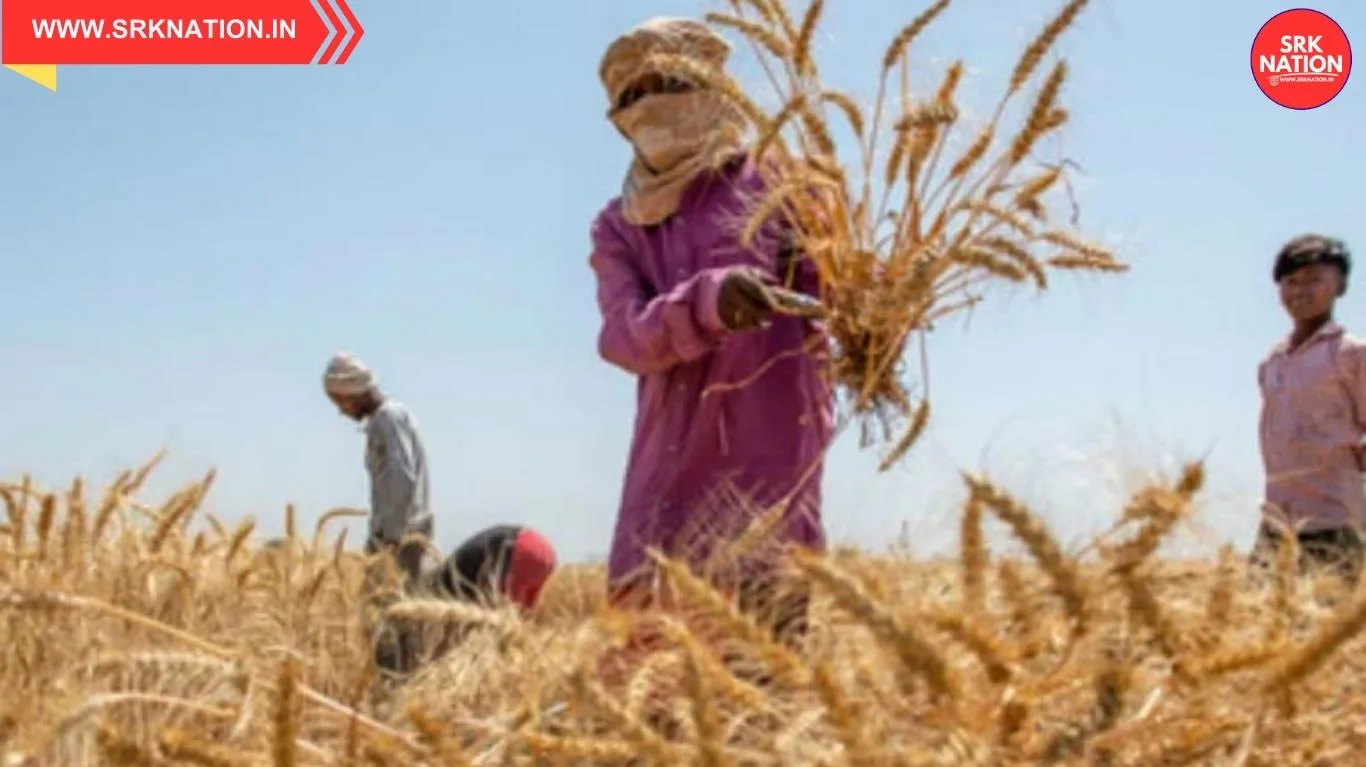
- Agriculture: India continues to protect its farmers by limiting foreign competition in staple crops and ensuring subsidies remain intact.
- Dairy: India has resisted opening its dairy market to US imports, citing cultural, economic, and livelihood concerns.
- Food Security: Safeguarding domestic production is seen as essential for national food security.
- Rural Livelihoods: With millions dependent on agriculture and dairy, the government insists these sectors cannot be compromised.
Comparative Analysis of Trade Deal Positions
| Sector | India’s Position | US Position | Outcome in Deal |
|---|---|---|---|
| Agriculture | Protect domestic farmers, maintain subsidies | Greater market access | India retained protective stance |
| Dairy | No large-scale imports allowed | Push for entry into Indian market | India resisted, limited concessions |
| Technology | Open to collaboration | Strong interest in digital trade | Expanded cooperation |
| Defense | Co-production opportunities | Strategic alignment | Strengthened partnership |
| Energy | Renewable and LNG projects | Export opportunities | Joint initiatives agreed |
Why Agriculture and Dairy Are Sensitive
- Cultural Importance: Dairy is deeply tied to Indian traditions and dietary habits.
- Economic Backbone: Agriculture employs nearly half of India’s workforce.
- Political Sensitivity: Farmers form a significant voting bloc, making concessions politically risky.
- Global Competition: US agricultural and dairy products benefit from advanced technology and subsidies, which could overwhelm Indian producers.
Government Source’s Clarification
The source reiterated that India’s stance is consistent with past negotiations:
- No compromise on sovereignty in food production.
- Protection of rural livelihoods remains paramount.
- Trade deal focuses on industrial, technological, and strategic sectors rather than agriculture and dairy.
This clarification aims to dispel speculation that India had softened its position under US pressure.
Broader Implications of the Trade Deal
- Economic Growth: Industrial and technological sectors will benefit from expanded cooperation.
- Strategic Alignment: Strengthens India’s role in the Indo-Pacific alongside the US.
- Global Positioning: Reinforces India’s image as a rising power that balances openness with domestic protection.
- Political Messaging: Demonstrates the government’s commitment to farmers and rural communities.
Public and Political Reactions
- Farmers’ Groups: Welcomed the assurance that agriculture and dairy remain protected.
- Business Leaders: Focused on opportunities in technology, defense, and energy.
- Opposition Parties: Called for transparency in negotiations and monitoring of implementation.
- Civil Society Organizations: Emphasized the need for inclusive growth that safeguards vulnerable communities.
Comparative Perspective: India vs Other Nations
| Country | Approach to Agriculture in Trade Deals | Outcome |
|---|---|---|
| India | Protects domestic farmers and dairy | Limited concessions |
| Japan | Balances imports with subsidies | Gradual liberalization |
| Brazil | Focuses on exports of commodities | Expands global reach |
| EU | Protects dairy and agriculture with tariffs | Maintains strong domestic base |
India’s approach remains consistent with nations that prioritize food security and rural livelihoods.
Conclusion
The headline “‘The Usual Stance’: Govt Source Sets the Record Straight on Agri, Dairy in India-US Trade Deal” reflects India’s unwavering position on protecting its agriculture and dairy sectors. While the trade agreement opens new doors in technology, defense, and energy, the government has made it clear that farmers and rural communities remain at the heart of India’s policy priorities.
This balance between global cooperation and domestic protection underscores India’s strategy of pursuing growth without compromising sovereignty or livelihoods, reinforcing its role as a responsible and rising power in the global order.
Disclaimer
This article is intended for informational and analytical purposes only. It reflects current economic and political discussions between India and the United States. The content does not represent official statements from the Government of India, the US administration, or any trade authority. Readers should verify facts through authoritative sources before drawing conclusions.