








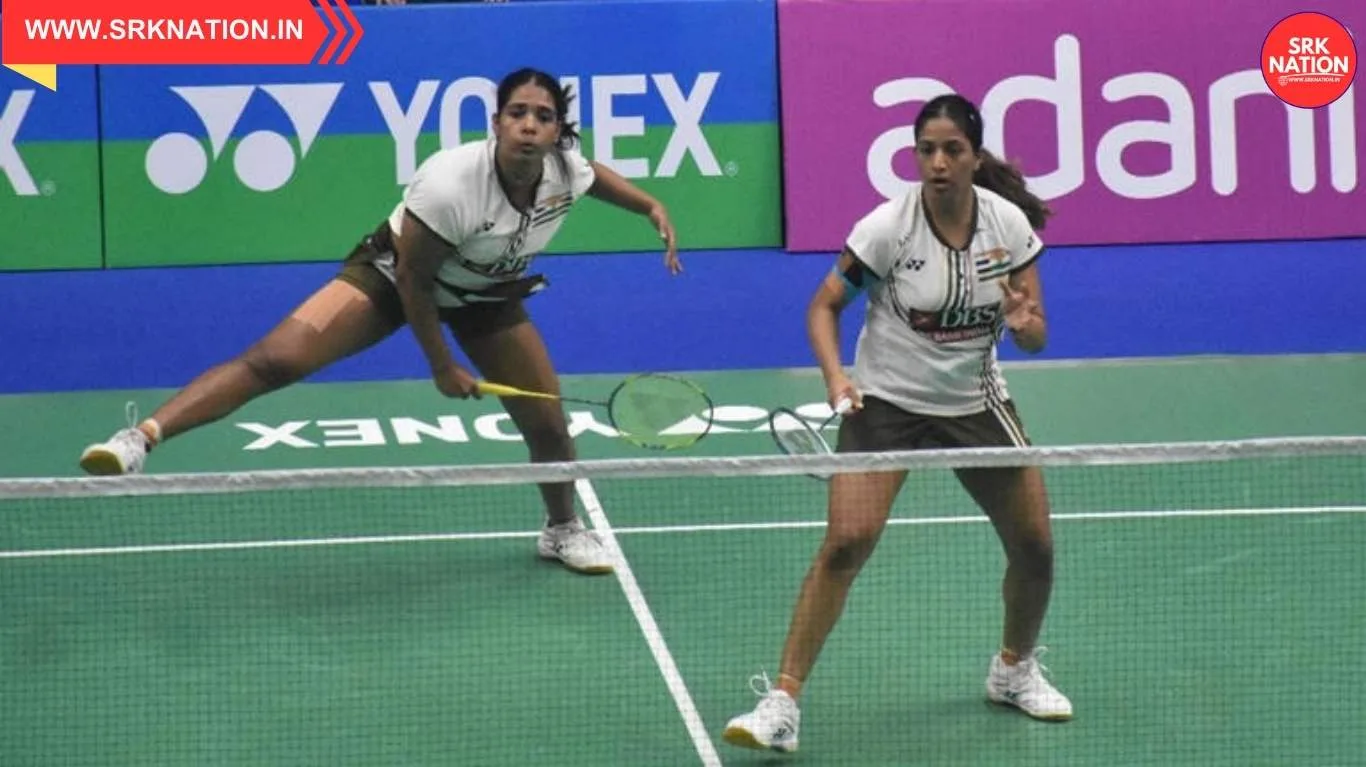
The Badminton World Federation (BWF) has announced sweeping reforms to its tournament structure for the 2026–2030 cycle, resulting in the Syed Modi International being downgraded from a Super 300 event to a Super 100. This decision has sparked debate within India’s badminton community, as the tournament has historically been one of the country’s most prestigious international events.
Key Highlights
- Tournament Demotion: Syed Modi International shifted from Super 300 to Super 100.
- BWF Reforms: New structure aims to streamline global tournaments and balance competitiveness.
- Impact on India: India now has fewer high-tier tournaments compared to other badminton powerhouses.
- Player Concerns: Lower ranking points and prize money may reduce participation from top international players.
- Historical Significance: Named after Syed Modi, an eight-time national champion, the event has been a cornerstone of Indian badminton.
Analysis of BWF Tournament Reforms
| Factor | Previous Cycle (2022–2025) | New Cycle (2026–2030) | Outcome Observed |
|---|---|---|---|
| Syed Modi Status | Super 300 | Super 100 | Reduced prestige |
| India’s Tournaments | India Open (Super 750), Syed Modi (Super 300) | India Open (Super 750), Syed Modi (Super 100) | Fewer high-tier events |
| Ranking Points | Higher for Super 300 | Lower for Super 100 | Player participation impact |
| Prize Money | Larger pool in Super 300 | Reduced in Super 100 | Financial setback |
| Global Positioning | India as emerging hub | Limited exposure | Competitive disadvantage |
Comparative Analysis of BWF Tournament Categories
| Category | Ranking Points | Prize Money | Example Tournaments |
|---|---|---|---|
| Super 1000 | Highest | $1 million+ | All England, China Open |
| Super 750 | High | $750,000+ | India Open, Japan Open |
| Super 500 | Moderate | $350,000+ | Thailand Open, Korea Open |
| Super 300 | Lower | $150,000+ | Swiss Open, German Open |
| Super 100 | Entry-level | $75,000+ | Syed Modi International (2026–2030) |
Drivers Behind the Demotion
- Global Balance: BWF aims to distribute tournaments more evenly across regions.
- Competitive Standards: Super 300 events must meet stricter organizational and financial benchmarks.
- India’s Position: Despite strong players, India’s infrastructure and sponsorship levels lag behind China, Indonesia, and Japan.
- Player Participation Trends: Top-ranked players often skip Super 300 events, prompting BWF to restructure.
- Commercial Considerations: Prize money and broadcasting rights influenced tournament categorization.
Public and Media Reaction
- Players: Indian shuttlers expressed disappointment, fearing reduced international exposure.
- Fans: Many criticized the decision, calling it a setback for Indian badminton.
- Media: Coverage highlighted the symbolic loss of prestige for the Syed Modi International.
- Officials: Badminton Association of India (BAI) pledged to work with BWF to regain higher status in the future.
Future Outlook
The demotion of the Syed Modi International could lead to:
- Reduced International Participation: Fewer top-ranked players may compete.
- Impact on Rankings: Indian players may struggle to gain points compared to peers in other nations.
- Domestic Growth: Opportunity to focus on nurturing local talent through Super 100 exposure.
- Policy Push: BAI may lobby for upgrading the tournament in the next cycle.
Challenges ahead:
- Securing higher sponsorship and prize money.
- Improving organizational standards to meet BWF benchmarks.
- Ensuring Indian players still get adequate international exposure.
Conclusion
The Syed Modi International’s demotion from Super 300 to Super 100 under the new BWF reforms marks a significant shift in India’s badminton landscape. While the India Open retains its Super 750 status, the downgrade of one of India’s flagship tournaments raises concerns about international exposure, ranking opportunities, and prestige. For Indian badminton to reclaim its global standing, stronger infrastructure, sponsorship, and organizational excellence will be essential in the coming years.
Disclaimer
This article is intended for informational and analytical purposes only. It summarizes publicly available updates on BWF reforms and their impact on Indian badminton. It does not constitute insider information, endorsement, or professional consultation. Readers are encouraged to verify facts independently and consider multiple perspectives before forming conclusions.