









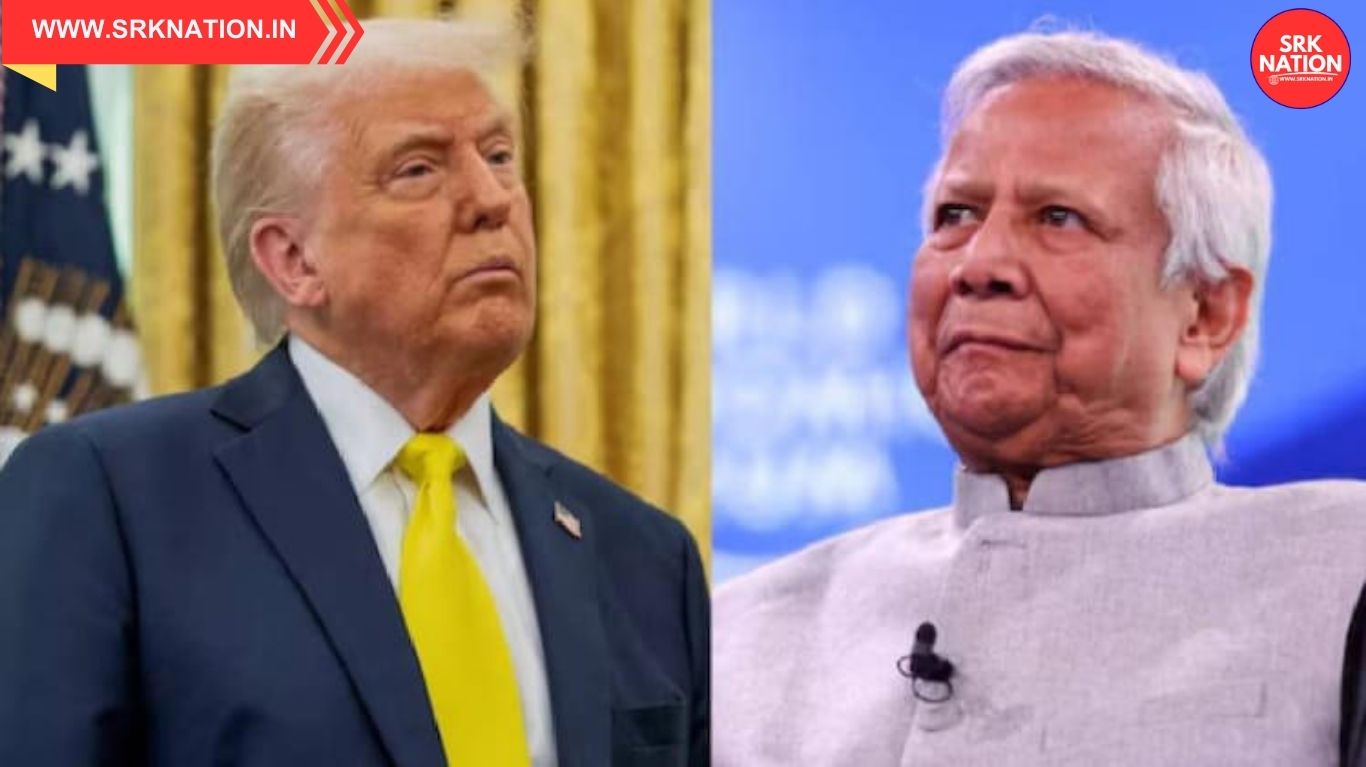
The recently signed US-Bangladesh trade deal has sparked intense debate across South Asia, with experts describing it as a “surrender” that could undermine Bangladesh’s long-term economic interests. While the agreement grants Bangladesh duty-free access for garments made with US cotton and man-made fibers, critics argue that the terms heavily favor Washington and could weaken Bangladesh’s reliance on domestic and regional supply chains.
An international trade expert commenting on the deal remarked: “This is what surrender looks like. India negotiated far better terms with the US, protecting its textile sector while diversifying trade partnerships.” The statement has fueled comparisons between India’s trade diplomacy and Bangladesh’s concessions.
Key Highlights
- Zero-Duty Clause: Garments made in Bangladesh using US cotton will enter the US market at 0% tariff, while Indian garments continue to face 18% tariffs.
- Expert Criticism: Analysts say Bangladesh compromised too much, unlike India which secured better terms in past negotiations.
- Impact on Cotton Farmers: Bangladesh may reduce imports of Indian cotton, shifting to US cotton to benefit from duty-free access.
- India’s Position: India’s diversified trade strategy and stronger bargaining power are seen as more effective.
- Global Trade Dynamics: The deal strengthens US influence in South Asia’s textile sector.
Analysis of the Trade Deal
| Factor | Bangladesh-US Deal | India-US Trade Strategy | Outcome Observed |
|---|---|---|---|
| Tariff Impact | Duty-free for garments using US cotton | Indian garments face 18% tariffs | Bangladesh gains short-term edge |
| Cotton Imports | Likely shift to US cotton | India protects domestic farmers | India sustains local supply |
| Negotiation Style | Concessions to US demands | Balanced, diversified agreements | India seen as stronger negotiator |
| Industry Impact | Boost for Bangladesh garment exports | India maintains broader trade base | Competitive imbalance |
| Expert Opinion | “Surrender” to US interests | “Better job” in negotiations | Regional comparison |
Comparative Analysis of Textile Trade Agreements
| Country | US Trade Terms | Impact on Textile Sector | Expert View |
|---|---|---|---|
| Bangladesh | Zero-duty clause with US cotton | Short-term export boost, long-term dependency | Risk of over-reliance |
| India | 18% tariff continues | Pressure on exports, but diversified markets | Stronger negotiation |
| Vietnam | Preferential agreements | Competitive advantage | Balanced approach |
| Pakistan | No special clause | Limited competitiveness | Neutral impact |
Drivers Behind Expert Criticism
- Concessions to US: Bangladesh agreed to terms that heavily favor American cotton producers.
- Dependency Risk: Reliance on US cotton could weaken Bangladesh’s bargaining power.
- India’s Example: India diversified trade partners and resisted one-sided concessions.
- Regional Competition: Bangladesh’s short-term gains may come at India’s expense.
- Strategic Weakness: Experts argue Bangladesh missed an opportunity to negotiate better terms.
Public and Media Reaction
- Bangladesh Media: Mixed responses, with some praising duty-free access and others warning of dependency.
- Indian Analysts: Highlighted India’s stronger trade diplomacy compared to Bangladesh.
- Global Observers: Noted US strategy of using cotton exports to secure influence in South Asia.
- Public Sentiment: Farmers and textile workers in India expressed concern over losing competitiveness.
Future Outlook
- Bangladesh’s Path: Short-term export gains but risk of long-term dependency on US cotton.
- India’s Path: Continued diversification of trade partners to reduce reliance on US markets.
- US Strategy: Strengthening influence in South Asia through targeted trade deals.
- Regional Balance: India may push for renegotiations or alternative trade alliances.
Challenges ahead:
- Managing India’s textile competitiveness amid tariff disadvantages.
- Ensuring Bangladesh does not become overly dependent on US cotton.
- Balancing regional trade dynamics with global supply chain pressures.
Conclusion
The US-Bangladesh trade deal has been described by experts as a “surrender”, with critics arguing that Bangladesh compromised too much compared to India’s more balanced trade diplomacy. While the deal offers Bangladesh duty-free access for garments made with US cotton, it risks creating long-term dependency and undermining regional supply chains. India’s stronger negotiation strategy is being cited as a model for protecting national interests while engaging in global trade.
Disclaimer
This article is intended for informational and analytical purposes only. It summarizes publicly available updates on the US-Bangladesh trade deal and expert commentary comparing it with India’s trade negotiations. It does not constitute financial advice, insider information, or professional consultation. Readers are encouraged to verify facts independently and consider multiple perspectives before forming conclusions.