




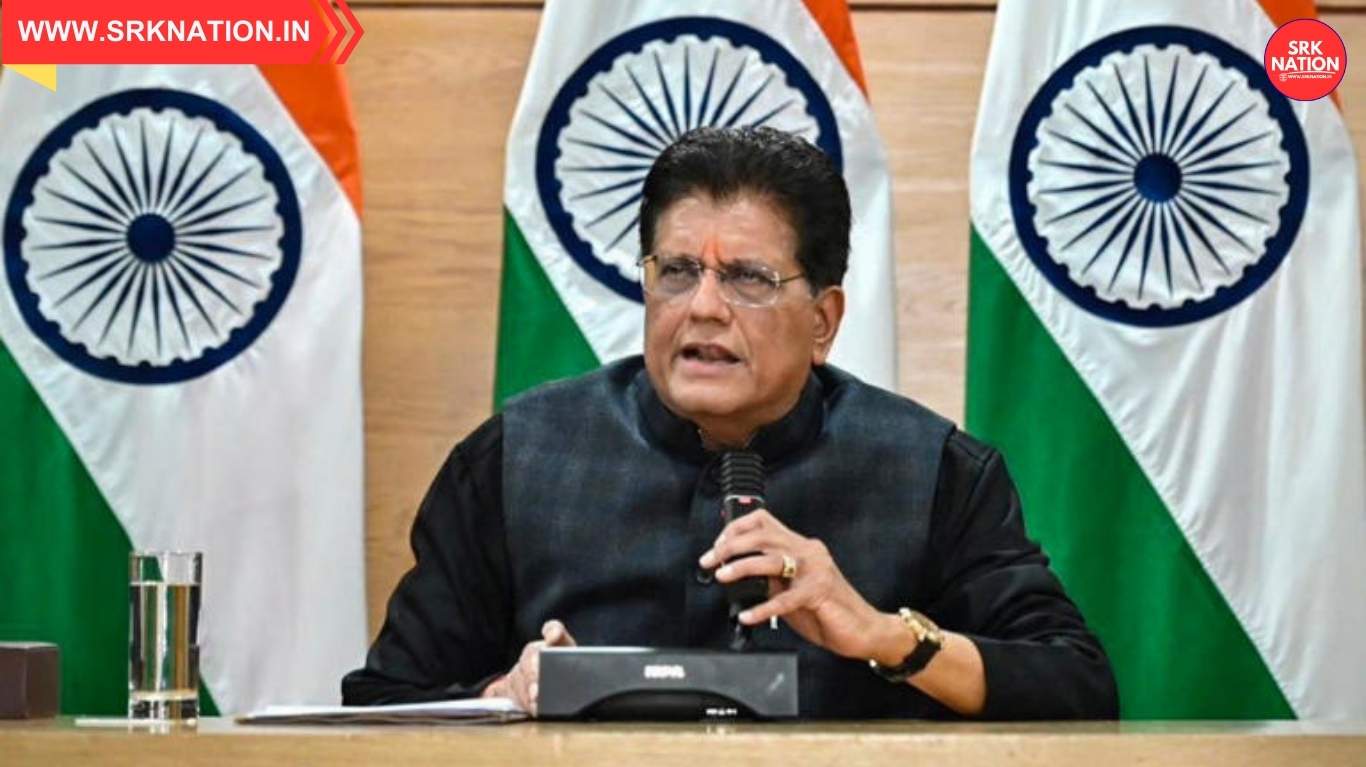
India’s textile industry may be on the verge of a significant breakthrough, as Commerce and Industry Minister Piyush Goyal recently suggested that Indian textiles could soon enjoy zero-tariff access to the United States, similar to the benefits currently extended to Bangladesh. This bold claim has sparked widespread interest among exporters, policymakers, and industry stakeholders, who see it as a potential game-changer for India’s textile sector.
Context of the Claim
Bangladesh has long enjoyed preferential trade treatment under the Generalized System of Preferences (GSP) and other trade arrangements, allowing its textile exports to enter the US market at zero or reduced tariffs. This has given Bangladesh a competitive edge over India, despite India’s larger production capacity and diverse textile base.
Piyush Goyal’s statement signals India’s intent to negotiate similar terms, which could level the playing field and boost India’s textile exports significantly.
Importance of the US Market
The United States is one of the largest importers of textiles and garments globally.
- India exports billions of dollars worth of textiles annually to the US.
- Tariffs currently range from 8% to 32% on various textile products.
- Zero-tariff access would make Indian products more competitive compared to Bangladesh, Vietnam, and other emerging textile hubs.
Comparative Advantage: India vs. Bangladesh
| Country | Current Tariff Status | Export Volume to US | Key Strengths |
|---|---|---|---|
| Bangladesh | Zero tariff (preferential access) | High, growing steadily | Low-cost labor, GSP benefits |
| India | Tariffs up to 32% | Significant but constrained | Diverse textile base, strong cotton industry |
This comparison highlights why Indian exporters are eager for tariff-free access, as it would remove a major barrier to competitiveness.
Potential Benefits for Indian Textiles
If India secures zero-tariff access, the benefits could be transformative:
- Export Growth: Indian textile exports to the US could rise by billions annually.
- Job Creation: The textile industry, already one of India’s largest employers, could generate millions of new jobs.
- Global Competitiveness: India could challenge Bangladesh and Vietnam more effectively in the global textile market.
- Boost to MSMEs: Small and medium enterprises in India’s textile hubs would gain direct benefits from reduced trade barriers.
Challenges Ahead
While the claim is ambitious, several challenges remain:
- Negotiations: Securing zero-tariff access requires complex trade negotiations with the US.
- Compliance: India must meet stringent labor and environmental standards often tied to trade agreements.
- Competition: Other countries like Vietnam and Cambodia are also vying for similar benefits.
- Domestic Readiness: Indian textile units must modernize to fully capitalize on tariff-free access.
Industry Reaction
The textile industry has welcomed Goyal’s statement with cautious optimism.
- Exporters see this as a long-awaited opportunity to expand their market share.
- Industry associations have urged the government to push aggressively for such trade deals.
- Analysts warn that without structural reforms, India may not fully benefit even if tariffs are removed.
Historical Trade Context
India has previously sought preferential trade agreements with the US but faced hurdles.
- Bangladesh’s Least Developed Country (LDC) status has given it advantages India does not enjoy.
- India’s middle-income status means it must negotiate harder for concessions.
- Past attempts at securing GSP benefits for Indian textiles have met with limited success.
Comparative Analysis of Tariff Structures
| Product Category | Current US Tariff on Indian Goods | Tariff on Bangladeshi Goods |
|---|---|---|
| Cotton Apparel | 15–20% | 0% |
| Synthetic Apparel | 25–32% | 0% |
| Home Textiles | 8–12% | 0% |
This table illustrates the stark difference in tariff treatment, underscoring why Indian exporters are at a disadvantage.
Strategic Implications
If India secures zero-tariff access:
- It would strengthen India-US trade relations.
- India could position itself as a global textile leader.
- The move would align with India’s broader strategy of boosting exports under the “Make in India” initiative.
Conclusion
Piyush Goyal’s claim about zero-tariff access for Indian textiles in the US has generated excitement and debate. While challenges remain, the potential benefits are immense. If realized, this policy shift could transform India’s textile industry, create millions of jobs, and enhance India’s global competitiveness.
The coming months will reveal whether India can translate this ambitious vision into reality. For now, the textile industry waits with anticipation, hoping that Indian exporters will finally enjoy the same advantages as their Bangladeshi counterparts.
Disclaimer
This article is based on publicly available information and analysis of trade policy discussions. It is intended for informational purposes only and does not represent official government positions or insider trade negotiations. Readers should view this as a balanced overview of potential developments in India’s textile trade with the US.