




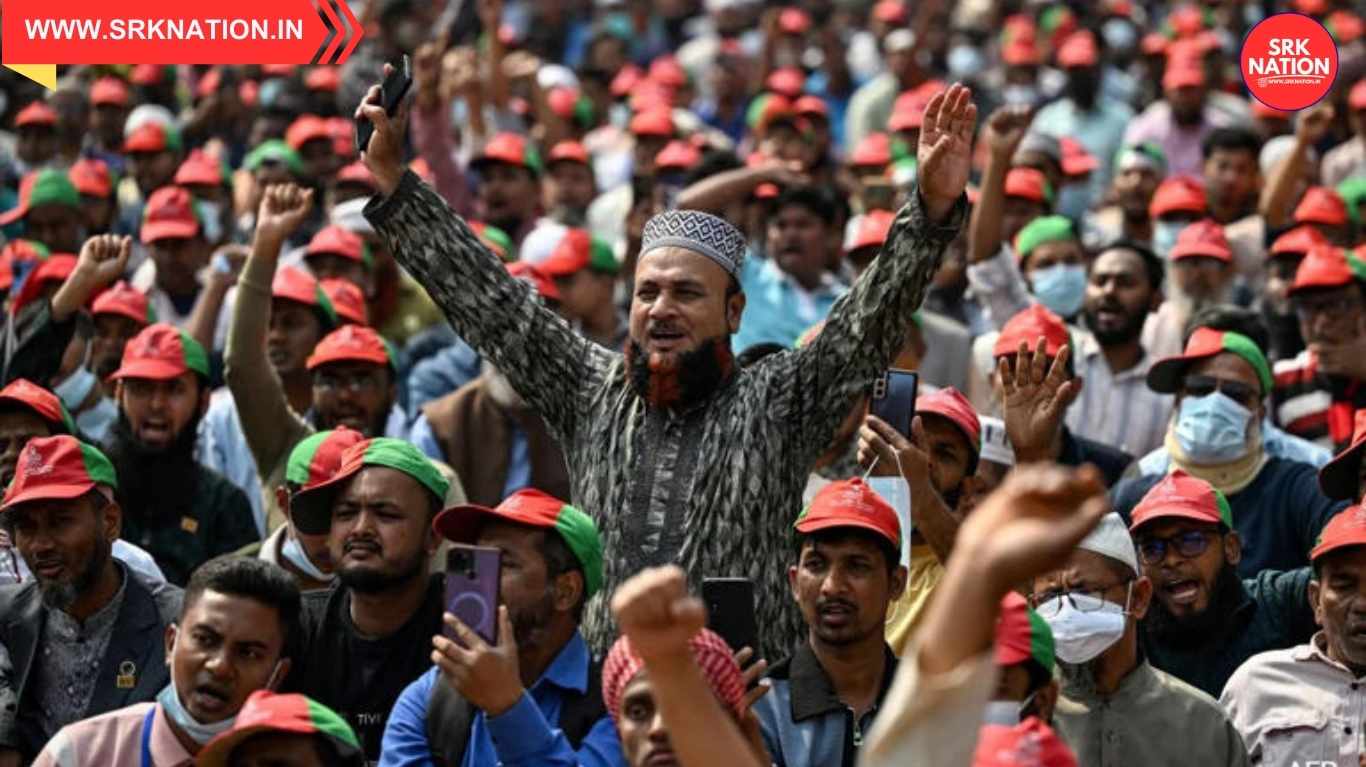
The July charter referendum in Bangladesh has emerged as a landmark political event, with nearly 70% of voters casting their ballots in favor of the proposed constitutional changes. This overwhelming support has sparked debates about the future of governance, democracy, and socio-political stability in the country. The referendum’s outcome is not just a reflection of public sentiment but also a turning point in Bangladesh’s political trajectory.
Background of the July Charter
The July charter was introduced as a reform initiative aimed at reshaping governance structures and strengthening democratic institutions. Key proposals included:
- Enhancing decentralization of power
- Strengthening judicial independence
- Expanding civil rights protections
- Introducing new mechanisms for accountability
The government positioned the charter as a step toward modernization, while critics argued it could consolidate power under ruling authorities.
Voter Turnout and Results
- Turnout: High participation across urban and rural areas
- Result: 70% voted “Yes,” 30% voted “No”
- Implication: Strong mandate for reform, though dissent remains significant
This result demonstrates broad public support but also highlights a sizeable minority concerned about potential risks.
Political Reactions
- Government: Celebrated the outcome as a victory for democracy and reform.
- Opposition: Warned of possible misuse of new powers and erosion of checks and balances.
- Civil Society: Mixed responses, with some praising reforms and others calling for vigilance.
The referendum has polarized political discourse, with both sides claiming to represent the true interests of the people.
What Does the “Yes” Vote Mean?
The overwhelming “Yes” vote carries several implications:
- Legitimacy for Reform: The government now has a strong mandate to implement constitutional changes.
- Shift in Governance: Decentralization and judicial reforms could reshape power dynamics.
- Public Trust: Voters demonstrated confidence in reform promises, though skepticism persists.
- Regional Impact: Bangladesh’s political stability could influence South Asian geopolitics.
Comparative Analysis of Support and Opposition
| Aspect | Supporters of Charter | Opponents of Charter |
|---|---|---|
| Governance | Decentralization, efficiency | Risk of centralization |
| Judiciary | Independence, accountability | Fear of political influence |
| Civil Rights | Expanded protections | Concerns about enforcement |
| Political Stability | Stronger institutions | Potential unrest |
Social and Economic Implications
The charter’s approval could have ripple effects beyond politics:
- Economic Growth: Stability may attract foreign investment.
- Social Cohesion: Expanded rights could strengthen inclusivity.
- Migration Policies: Reforms may impact labor mobility and migrant protections.
- Education and Healthcare: Decentralization could improve service delivery.
Public Sentiment
Surveys and social media reactions reveal diverse perspectives:
- Urban Voters: More supportive, citing modernization.
- Rural Voters: Mixed, with concerns about implementation.
- Youth: Optimistic about expanded rights.
- Elders: Cautious, recalling past political instability.
Regional and International Reactions
Neighboring countries and international observers have closely monitored the referendum:
- South Asia: Potential model for governance reforms.
- Global Community: Calls for transparent implementation.
- Investors: Watching for signs of stability and opportunity.
Challenges Ahead
Despite the strong mandate, challenges remain:
- Ensuring reforms are implemented fairly
- Preventing misuse of new powers
- Addressing opposition concerns
- Maintaining public trust through transparency
Conclusion
The July charter referendum marks a pivotal moment in Bangladesh’s political journey. With 70% of voters endorsing reform, the government has gained legitimacy to pursue constitutional changes. However, the path ahead requires careful balancing of power, transparency, and inclusivity to ensure that reforms strengthen democracy rather than weaken it. The outcome reflects both hope and caution, signaling a new chapter in Bangladesh’s evolving democracy.
Disclaimer
This article is based on publicly available information and political analysis. It does not endorse or oppose any political party or viewpoint. The purpose is to provide balanced reporting and contextual understanding of the July charter referendum. Readers are advised to follow official updates for verified details.