



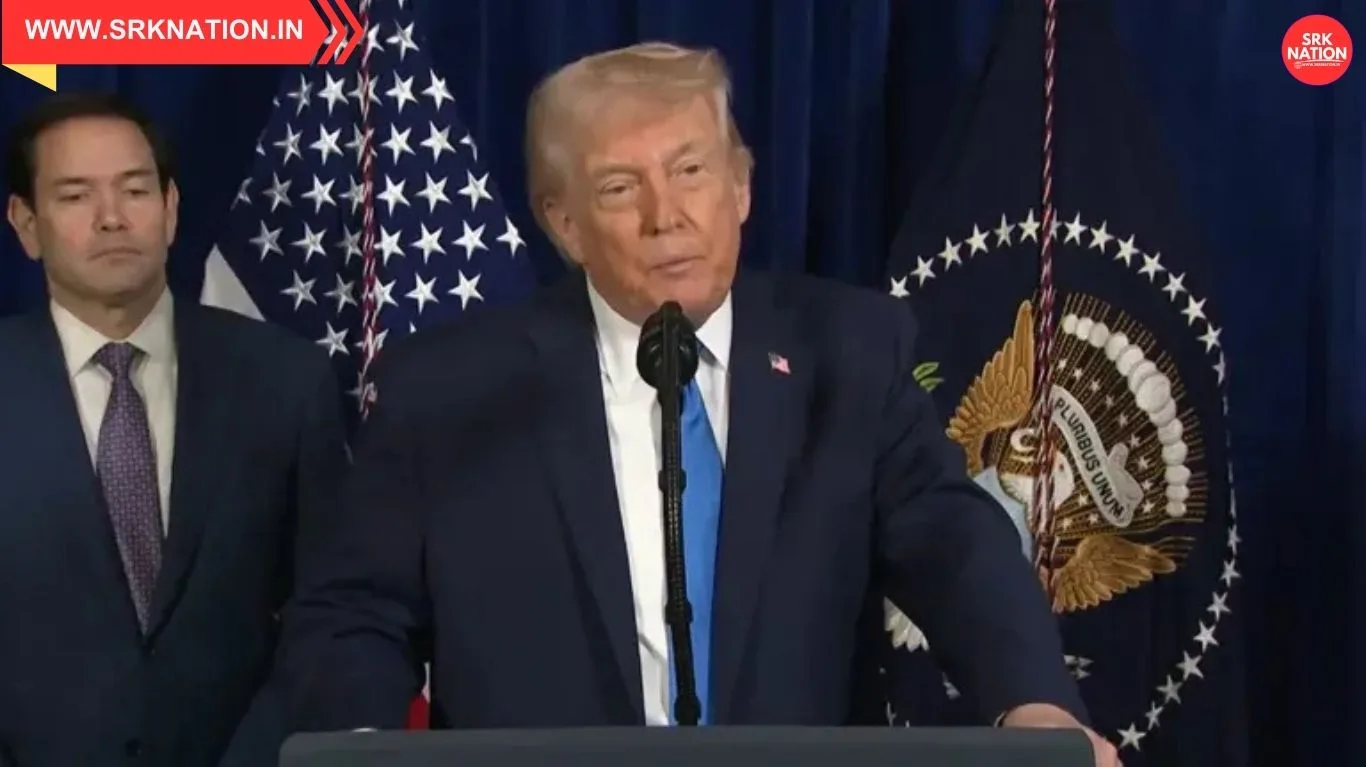
In a significant escalation of trade protectionism, President Donald Trump has announced a 10% global tariff on imports, a sweeping measure that includes India among the affected nations. This decision follows a setback at the US Supreme Court, where parts of his earlier trade-related executive actions were blocked. The new tariff order is expected to reshape global trade flows, spark diplomatic tensions, and challenge the resilience of international markets.
Background of the Tariff Decision
The global tariff order is part of Trump’s broader strategy to strengthen domestic manufacturing and reduce reliance on foreign imports. Unlike previous targeted tariffs, this measure applies uniformly to all countries.
- Objective: Revive American industry and reduce trade deficits.
- Scope: Covers goods across multiple sectors including steel, electronics, textiles, and consumer products.
- Impact: India, China, the European Union, Japan, and other major trading partners will face uniform tariff barriers.
India’s Position in the Tariff Landscape
India, one of the fastest-growing economies and a major exporter to the US, is directly impacted.
- Key Exports to US: Pharmaceuticals, IT services, textiles, gems, and machinery.
- Trade Volume: India-US bilateral trade has crossed $200 billion in recent years.
- Potential Fallout: Indian exporters may lose competitiveness, while US consumers could face higher prices.
Global Economic Implications
The tariff is not just a US domestic policy—it has global consequences.
- Emerging Economies: Countries like India may need to diversify export markets.
- Developed Nations: The EU and Japan are expected to challenge the tariff at the World Trade Organization (WTO).
- Supply Chains: Multinational corporations may reconsider production hubs and sourcing strategies.
Sector-Wise Impact Analysis
| Sector | Impact on India | Impact on US | Global Ripple Effect |
|---|---|---|---|
| Pharmaceuticals | Higher costs for Indian drug exports | Increased prices for US consumers | Possible shortages in affordable medicines |
| Textiles | Reduced competitiveness | Boost to US domestic textile industry | Shift in global apparel sourcing |
| IT Services | Limited direct tariff impact | Potential visa and outsourcing restrictions | Rebalancing of tech outsourcing |
| Steel & Metals | Tariff pressure on Indian steel | US steel industry gains | Rising construction costs globally |
Comparative Trade Position
| Country | Current US Tariff (Before Order) | New Tariff Rate | Key Export Concern |
|---|---|---|---|
| India | 2–5% | 10% | Pharmaceuticals, textiles |
| China | 5–25% (varied) | 10% (uniform) | Electronics, machinery |
| EU | 3–10% | 10% | Automobiles, luxury goods |
| Japan | 2–8% | 10% | Automobiles, electronics |
Diplomatic Reactions
- India: Officials are expected to raise concerns at WTO and explore bilateral negotiations.
- China: Likely to retaliate with counter-tariffs.
- EU: Considering coordinated legal action against the US.
- Global Institutions: WTO and IMF have warned of rising trade tensions and economic instability.
Possible Scenarios Ahead
- Trade Negotiations: Countries may push for exemptions or reduced rates.
- Retaliatory Tariffs: Nations could impose counter-measures on US exports.
- Shift in Alliances: Emerging economies may strengthen intra-Asia trade partnerships.
- Domestic US Impact: While industries may benefit, consumers could face inflationary pressures.
Strategic Options for India
- Diversify Export Markets: Strengthen trade with ASEAN, Africa, and Latin America.
- Boost Domestic Consumption: Reduce reliance on US markets by expanding internal demand.
- Engage Diplomatically: Use WTO and bilateral channels to negotiate relief.
- Encourage Innovation: Focus on high-value exports less vulnerable to tariffs.
Long-Term Outlook
The global tariff order marks a turning point in trade relations. While Trump’s administration argues it will revive American manufacturing, critics warn of trade wars, inflation, and strained diplomatic ties. India, along with other nations, must recalibrate strategies to safeguard economic interests.
Disclaimer
This article is a journalistic analysis based on publicly available information. It does not represent financial, legal, or political advice. Readers are encouraged to consult official government releases and expert opinions before drawing conclusions about the impact of global tariffs.