





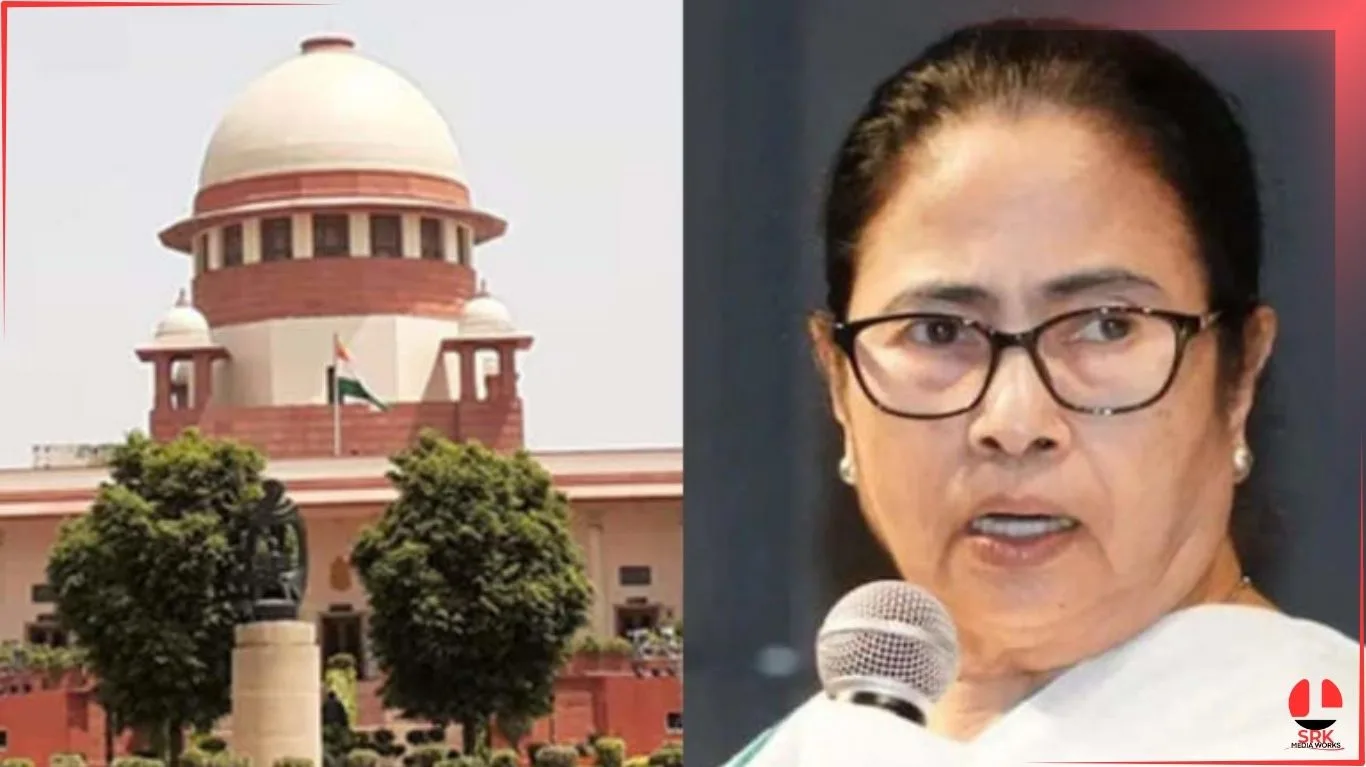
The Supreme Court of India has once again asserted its authority in safeguarding democratic institutions, issuing a strong reminder in the ongoing dispute between the West Bengal government and the Election Commission of India (ECI). The apex court’s statement — “Don’t doubt judicial officers” — has become the defining phrase of this case, underlining the judiciary’s insistence on maintaining trust in its officers during election processes.
Background of the Dispute
The conflict emerged when the Election Commission raised concerns about the role and neutrality of judicial officers appointed to oversee election-related duties in West Bengal. The state government defended its choices, arguing that judicial officers are best suited to ensure fairness. The Supreme Court intervened to clarify that judicial officers, by virtue of their training and integrity, must not be doubted.
Supreme Court’s Key Observations
- Judicial Integrity: The court emphasized that judicial officers are trained to uphold impartiality and fairness, and questioning their credibility undermines democracy.
- Election Oversight: Assigning judicial officers to election duties ensures transparency and strengthens public trust.
- Institutional Harmony: The court reminded both the poll body and the state government that institutions must work together to protect democratic values.
Bengal vs Poll Body: Core Issues
| Issue | West Bengal Government’s Position | Election Commission’s Position |
|---|---|---|
| Appointment of Officers | Defended choices as fair | Raised concerns about neutrality |
| Role of Judiciary | Essential for free elections | Questioned possible bias |
| Supreme Court’s Intervention | Supported judicial trust | Directed to respect judiciary |
Why This Statement Matters
The Supreme Court’s reminder carries national significance:
- It reinforces judicial independence.
- It strengthens public confidence in election processes.
- It sets a precedent for future disputes between state governments and the Election Commission.
Political Reactions
- West Bengal Government: Welcomed the Supreme Court’s statement, claiming it validates their stand.
- Election Commission: Maintained that its concerns were procedural but agreed to abide by the court’s directions.
- Opposition Parties: Highlighted the importance of free and fair elections, using the development to criticize both state and central authorities.
Comparative Analysis of Election Oversight
| Parameter | Judicial Oversight | Administrative Oversight |
|---|---|---|
| Neutrality | High – trained judges | Moderate – subject to political influence |
| Transparency | Strong – judicial accountability | Variable – depends on bureaucracy |
| Public Trust | High – judiciary respected | Mixed – bureaucracy often questioned |
| Efficiency | Balanced – legal expertise | High – administrative machinery |
Analysis of Institutional Trust
| Sentiment Category | Impact on Judiciary | Impact on Election Commission |
|---|---|---|
| Public Confidence | Strengthened | Slightly weakened |
| Political Perception | Seen as impartial | Seen as cautious |
| Media Coverage | Positive – judiciary praised | Neutral – EC scrutinized |
| Voter Sentiment | Increased trust in fairness | Concerns about procedural disputes |
Broader Implications
The Supreme Court’s intervention is not limited to West Bengal. It sets a national precedent:
- Judicial officers across India may now be more prominently involved in election duties.
- The Election Commission will need to balance its authority with respect for judicial independence.
- State governments may feel reassured that their appointments will not be easily questioned if judicial officers are involved.
Challenges Ahead
Despite the clarity provided by the Supreme Court, challenges remain:
- Ensuring smooth coordination between state governments and the Election Commission.
- Avoiding politicization of judicial appointments during elections.
- Maintaining efficiency while safeguarding neutrality.
Conclusion
The Supreme Court’s statement — “Don’t doubt judicial officers” — is a powerful reminder of the judiciary’s role in protecting democracy. By reinforcing trust in judicial officers, the court has ensured that the electoral process remains credible and impartial. This case highlights the delicate balance between institutions and the importance of mutual respect in safeguarding India’s democratic framework.
Disclaimer
This article is a journalistic analysis based on publicly available information and judicial statements. It does not endorse or oppose any political party, government, or institution. Readers are encouraged to consider multiple perspectives and verify facts independently before forming opinions.