





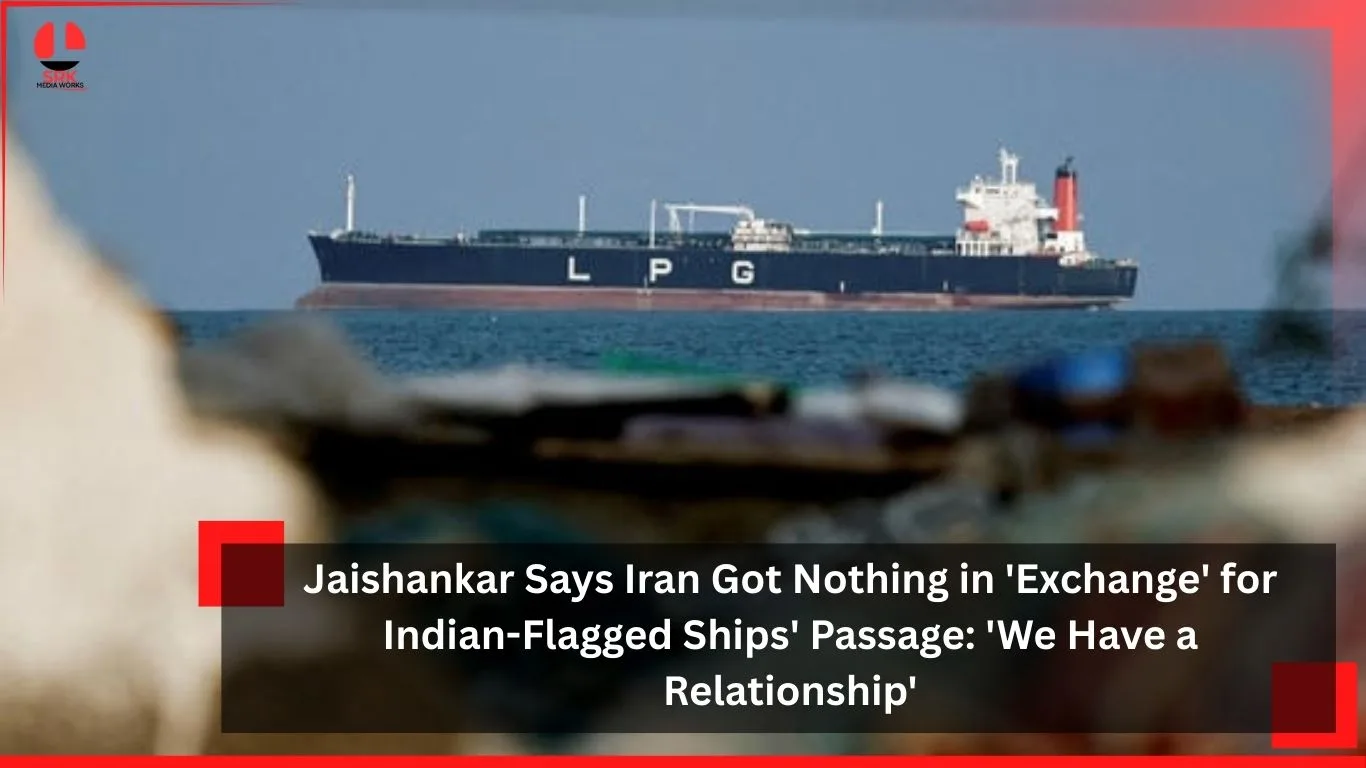
India’s External Affairs Minister S. Jaishankar has clarified that Iran did not receive any concessions or benefits in exchange for allowing Indian-flagged ships to pass through its waters. His statement, “We have a relationship,” underscores the depth of India-Iran ties and highlights the importance of diplomatic trust in navigating complex geopolitical waters.
Context of the Statement
The issue arose amid heightened tensions in the Middle East, where maritime security has become a pressing concern. Indian-flagged vessels faced potential challenges in navigating certain routes, prompting speculation that Iran may have sought concessions in return for safe passage. Jaishankar’s remarks put those rumors to rest, emphasizing that India’s relationship with Iran is based on mutual respect and longstanding cooperation rather than transactional exchanges.
India-Iran Relations: A Historical Overview
India and Iran share centuries-old cultural, economic, and strategic ties. From trade routes connecting the Persian Gulf to India’s western coast to modern-day energy cooperation, the relationship has been multifaceted.
- Energy Cooperation: Iran has been a significant supplier of crude oil to India.
- Connectivity Projects: The Chabahar Port project is a cornerstone of India-Iran cooperation, providing India access to Afghanistan and Central Asia.
- Cultural Links: Shared heritage and linguistic influences have strengthened people-to-people ties.
Why Jaishankar’s Statement Matters
Jaishankar’s assertion carries weight for several reasons:
- Diplomatic Clarity: It dispels speculation about transactional diplomacy.
- Strategic Assurance: It reassures stakeholders that India’s maritime interests are safeguarded through trust-based relations.
- Regional Stability: It signals India’s commitment to maintaining balanced ties in a volatile region.
Maritime Security and Geopolitical Challenges
The Middle East remains a hotspot for maritime tensions, with global powers vying for influence. For India, ensuring the safety of its vessels is critical to maintaining trade flows and energy security.
| Challenge | Impact on India | Strategic Response |
|---|---|---|
| Rising Regional Tensions | Threat to shipping routes | Diplomatic engagement with Iran |
| Energy Price Volatility | Higher import bills | Diversification of energy sources |
| Global Power Rivalries | Pressure on foreign policy | Balanced diplomacy with multiple nations |
This overview shows how India’s maritime strategy is intertwined with regional geopolitics.
Iran’s Perspective
Iran’s decision to allow Indian-flagged ships passage without demanding concessions reflects its recognition of India as a trusted partner. For Tehran, maintaining strong ties with New Delhi offers several benefits:
- Economic Cooperation: India remains a key trade partner.
- Strategic Balance: Relations with India help Iran diversify its global partnerships.
- Regional Connectivity: Projects like Chabahar enhance Iran’s role as a regional hub.
Comparative Analysis of India’s Maritime Diplomacy
India’s approach to maritime diplomacy can be compared with its engagements in other regions:
| Region | Key Partner | Strategic Focus | Outcome |
|---|---|---|---|
| Middle East | Iran | Energy, connectivity, maritime security | Trust-based cooperation |
| Southeast Asia | ASEAN Nations | Trade, freedom of navigation | Strengthened regional partnerships |
| Africa | East African States | Maritime trade, security cooperation | Expanding influence in Indian Ocean |
This comparative view highlights India’s consistent emphasis on building trust and avoiding transactional diplomacy.
Political Reactions in India
Jaishankar’s statement has been welcomed by many political observers, who see it as a reaffirmation of India’s independent foreign policy. Opposition leaders, however, have called for greater transparency in maritime agreements, urging the government to ensure that national interests remain protected.
Global Implications
The clarification has global resonance:
- For the US and EU: It signals India’s ability to maintain independent ties with Iran despite Western sanctions.
- For China: It underscores India’s strategic presence in the region, countering Beijing’s growing influence.
- For Gulf States: It reassures them that India’s ties with Iran are not at their expense.
Public Sentiment
Within India, the public response has been largely positive. Citizens view Jaishankar’s statement as a sign of strong diplomacy, ensuring that Indian ships can navigate safely without compromising national interests.
Conclusion
Jaishankar’s assertion that Iran received “nothing in exchange” for allowing Indian-flagged ships passage highlights the strength of India-Iran relations. Built on trust, shared interests, and strategic cooperation, the relationship continues to play a vital role in ensuring India’s maritime security and regional stability.
Disclaimer
This article is based on political analysis and available information. It does not confirm or deny confidential diplomatic details and should not be interpreted as official government policy. Readers are encouraged to follow verified government statements for authoritative updates.