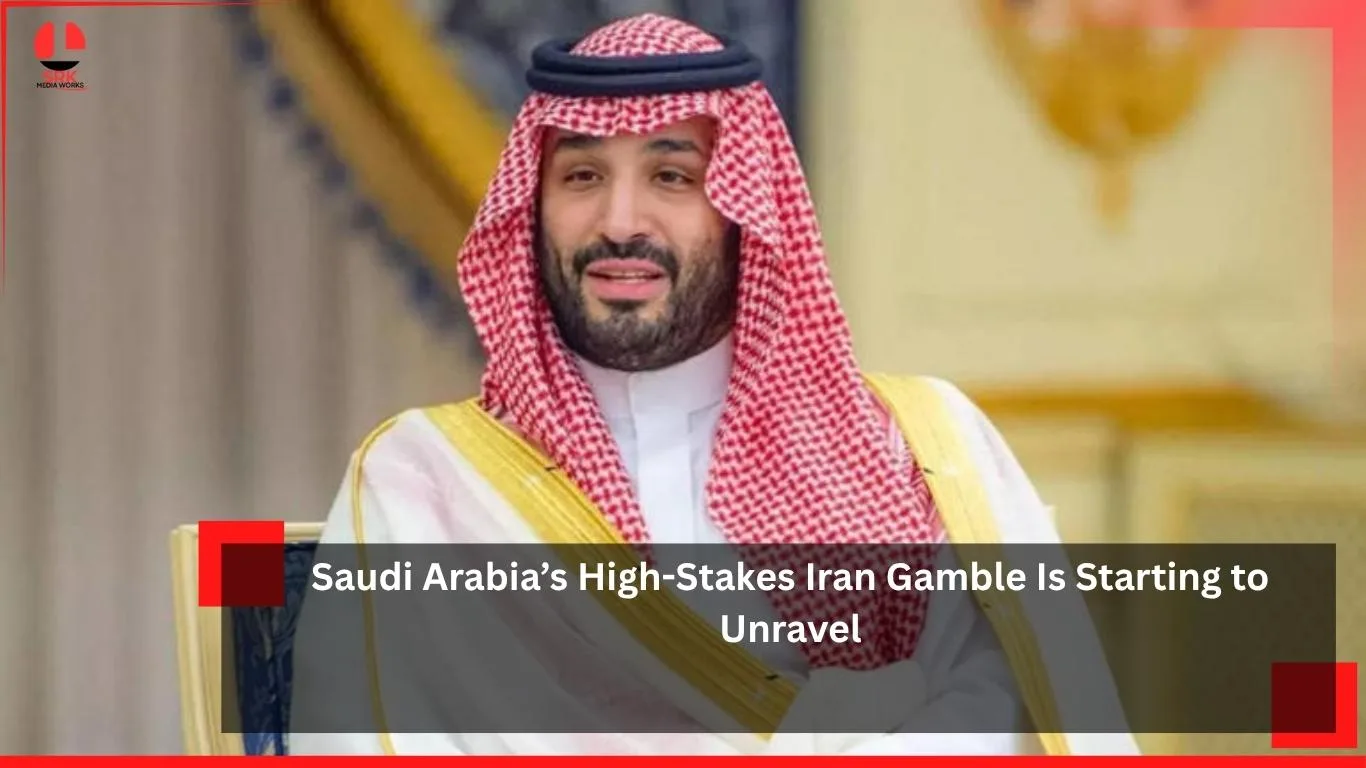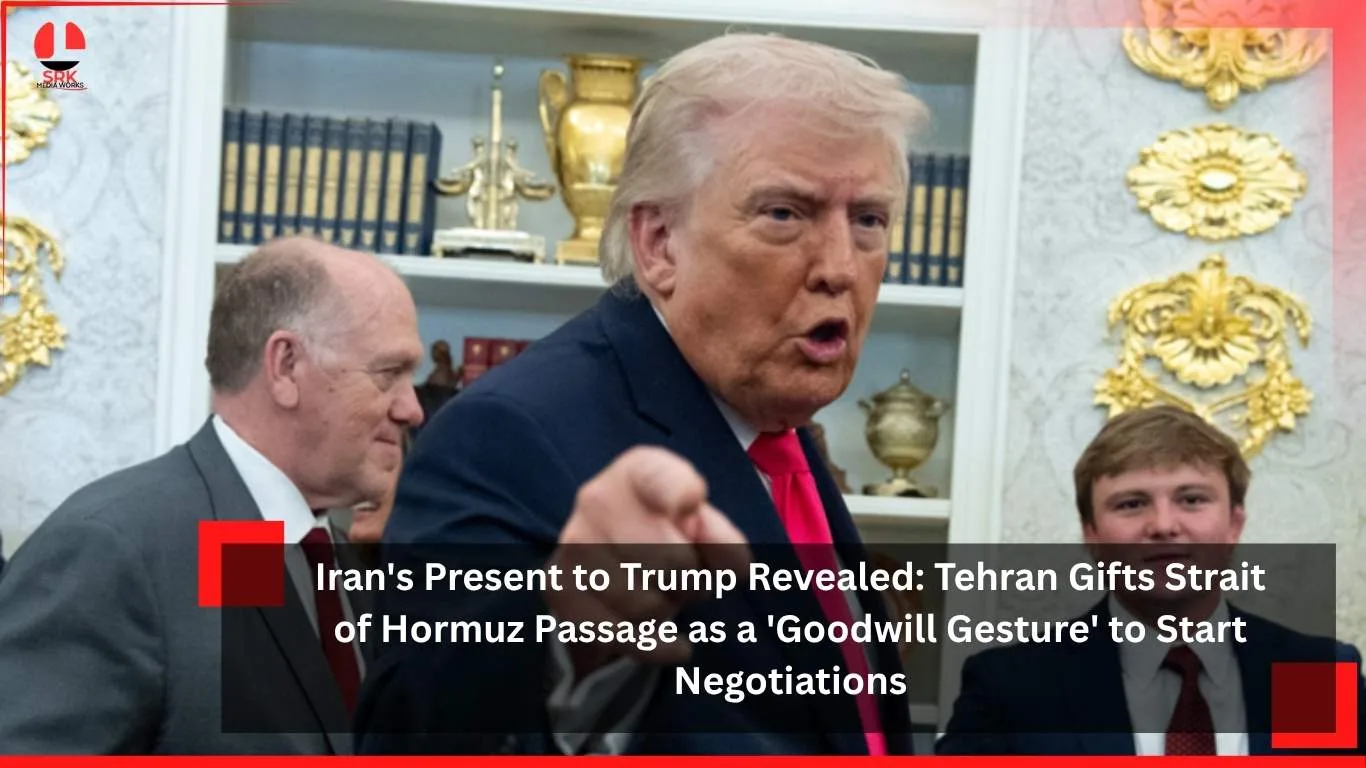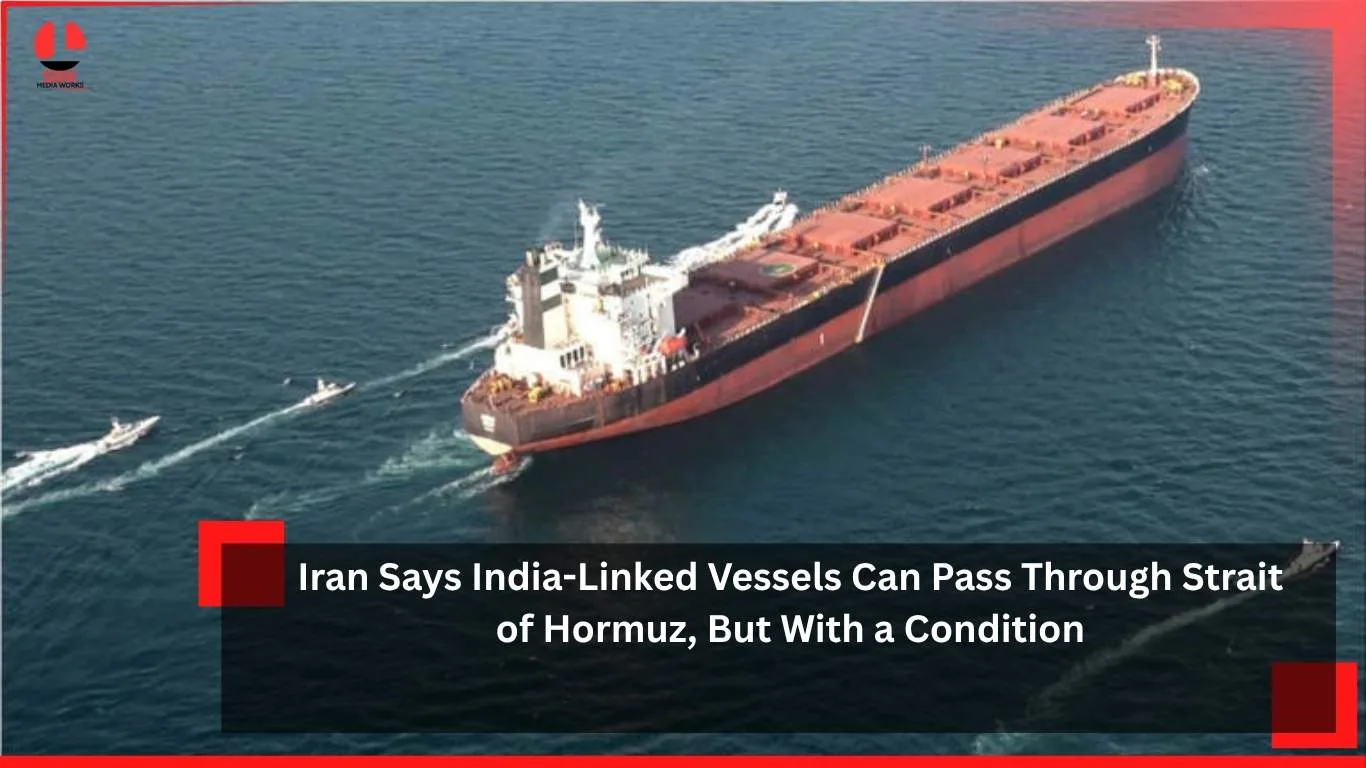



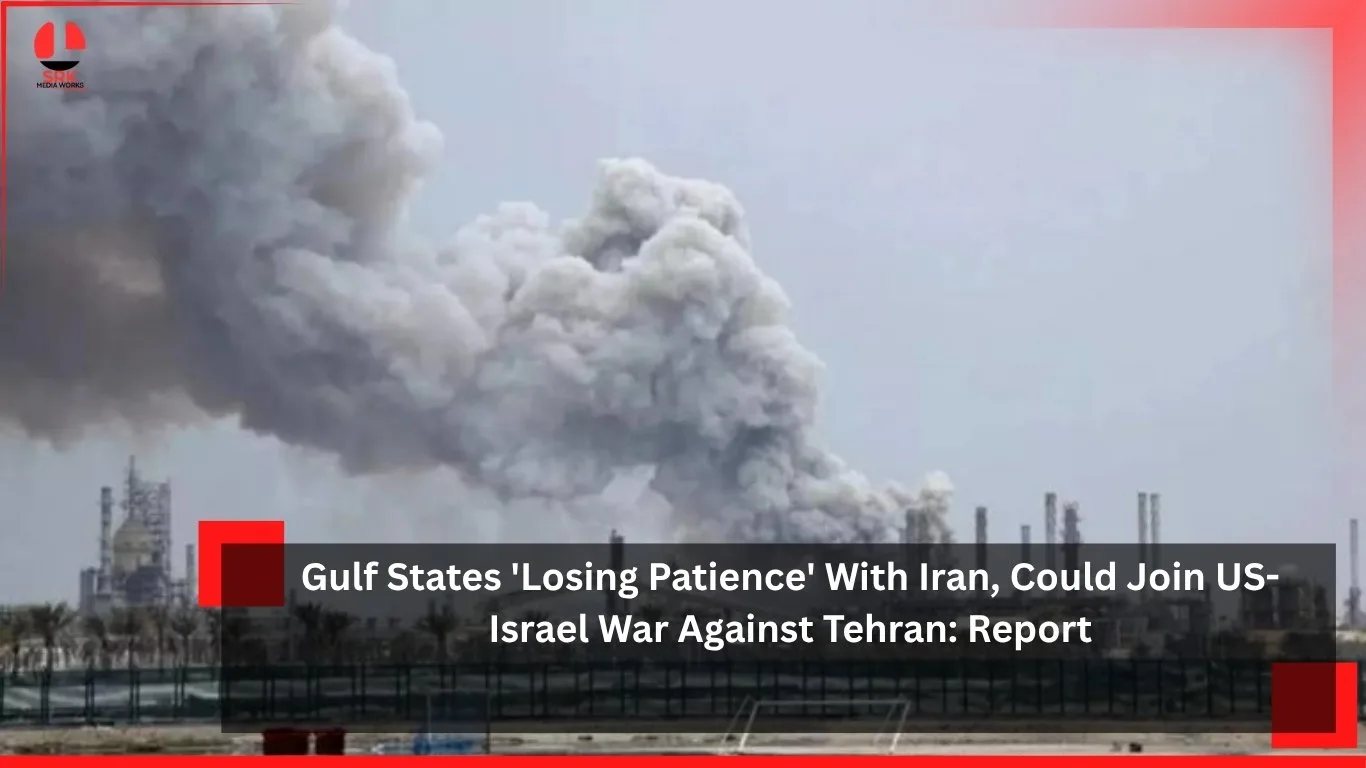
Tensions in West Asia are escalating as reports suggest that Gulf states, including Saudi Arabia and the United Arab Emirates, are “losing patience” with Iran’s continued aggression. With Tehran accused of targeting energy facilities, ports, and airports in the region, analysts warn that Gulf nations may consider aligning militarily with the United States and Israel if the conflict intensifies further.
Background of the Crisis
- Iran’s Actions: Tehran has launched drone and missile strikes on Gulf infrastructure, accusing regional states of supporting US operations.
- Gulf States’ Concerns: Saudi Arabia and UAE, both heavily reliant on energy exports, view these attacks as direct threats to their economic stability.
- US-Israel Campaign: Washington and Tel Aviv have already intensified military operations against Iran, urging regional allies to join.
Why Gulf States Are Losing Patience
- Energy Security: Oil and gas facilities remain prime targets, threatening global supply chains.
- Civilian Safety: Airports and logistics hubs have been hit, raising alarm over civilian casualties.
- Regional Stability: Iran’s actions undermine Gulf states’ efforts to maintain peace and economic growth.
- Pressure from Allies: The US and Israel are pushing for stronger regional cooperation against Tehran.
Comparative Analysis of Regional Positions
| Country/Bloc | Current Stance on Iran | Possible Action | Risk Level |
|---|---|---|---|
| Saudi Arabia | Losing patience, considering military role | Could join US-Israel strikes | High |
| UAE | Similar stance to Saudi Arabia | May align with US-Israel | High |
| Qatar | Neutral, prefers diplomacy | Limited military role | Medium |
| US & Israel | Active military campaign | Intensifying strikes | Very High |
| Iran | Aggressive retaliation | Threatens Gulf infrastructure | Extreme |
Sector-Wise Impact of Gulf Participation
| Sector | Impact | Outlook |
|---|---|---|
| Energy Markets | Oil price spikes | Global inflation risk |
| Aviation | Airport disruptions | Reduced connectivity |
| Trade & Shipping | Port strikes | Supply chain instability |
| Diplomacy | Regional polarization | Reduced chances of peace talks |
| Security | Heightened military presence | Long-term instability |
Risks and Challenges
- Escalation of War: Gulf participation could widen the conflict into a full-scale regional war.
- Economic Fallout: Oil prices may surge, impacting global inflation.
- Civilian Safety: Increased risk of attacks on urban centers.
- Diplomatic Breakdown: Peace initiatives may collapse if Gulf states join military action.
Long-Term Implications
- Regional Realignment: Gulf states siding with US-Israel could reshape alliances.
- Global Energy Crisis: Oil supply disruptions may trigger worldwide inflation.
- Security Architecture: Greater military presence in the Gulf could lead to prolonged instability.
- Diplomatic Fallout: Iran’s isolation may deepen, reducing chances of negotiation.
Conclusion
The report that Gulf states may join the US-Israel war against Iran highlights the growing volatility in West Asia. With Saudi Arabia and UAE already under attack, their patience appears to be running out. If Tehran continues targeting critical infrastructure, Gulf military involvement could become a reality—reshaping the geopolitical landscape and triggering global economic consequences.
Disclaimer
This article is intended for informational purposes only and does not constitute military or diplomatic advice. The views expressed are based on reported developments as of March 2026. Readers should consider multiple perspectives before forming conclusions about international conflicts.