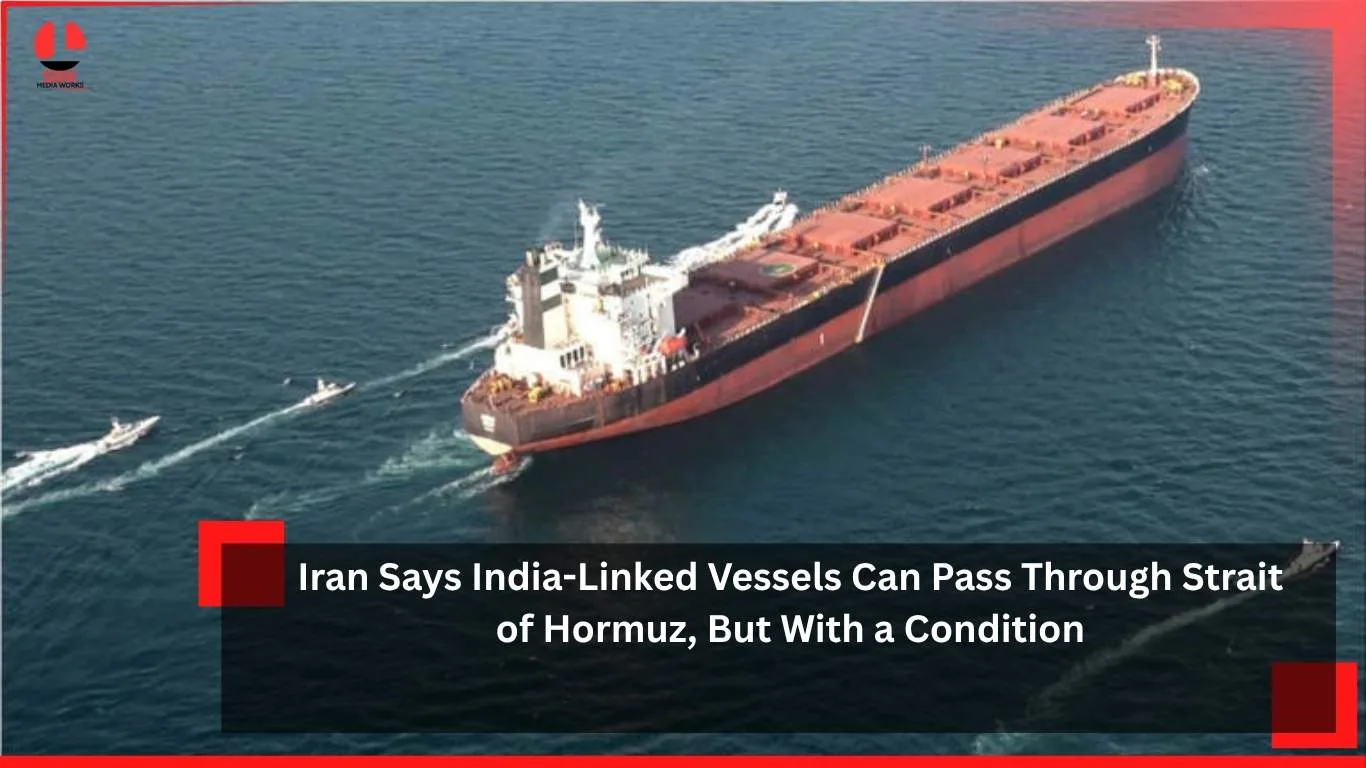

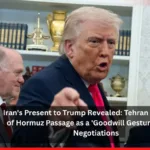
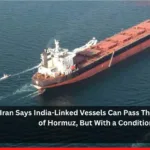
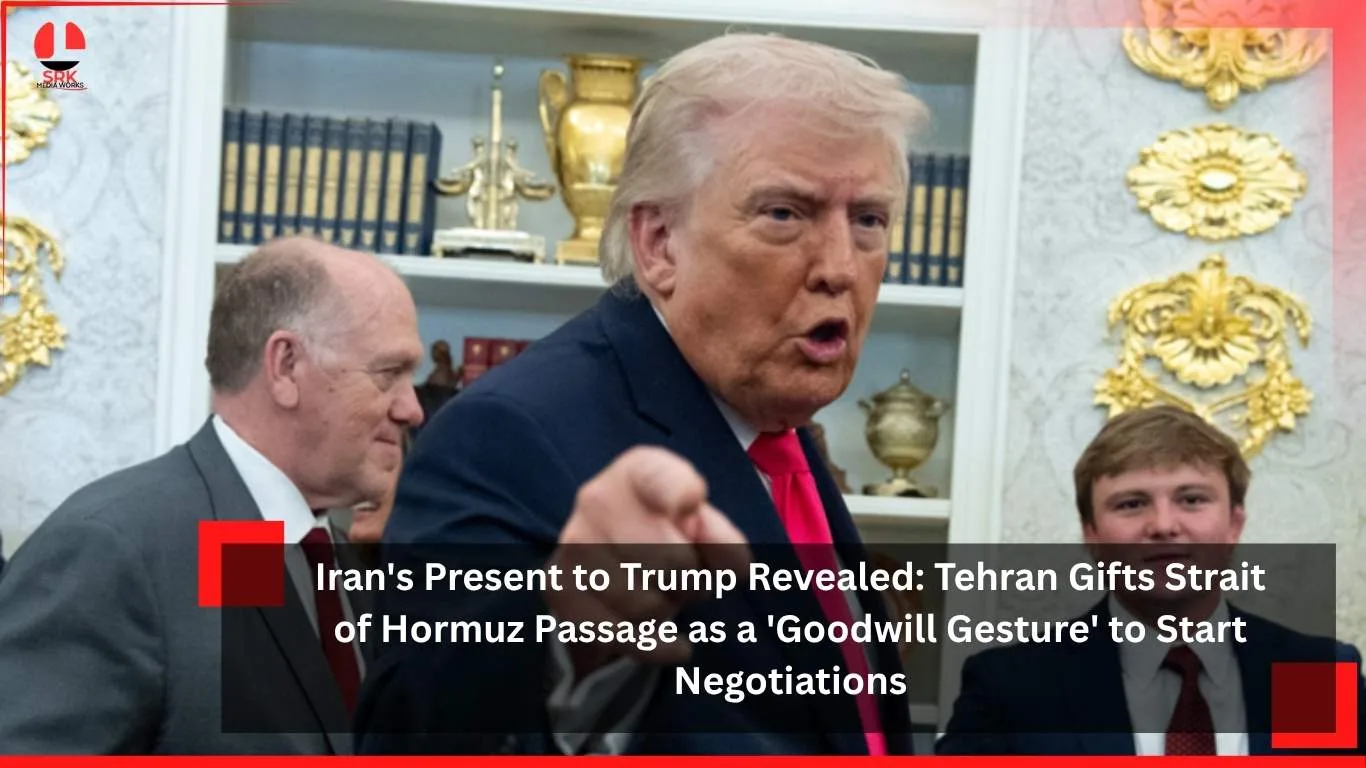
In a surprising diplomatic move, Iran has announced that vessels linked to the United States will be allowed safe passage through the Strait of Hormuz as a “goodwill gesture” aimed at opening negotiations with President Donald Trump’s administration. This revelation marks a rare conciliatory step from Tehran, which has often used the strategic waterway as leverage in its geopolitical standoff with Washington.
The Gesture Explained
Iran’s leadership clarified that the decision was intended to signal openness to dialogue rather than confrontation.
- Safe Passage Granted: US-linked commercial vessels will be allowed to transit without harassment.
- Conditional Diplomacy: The gesture is tied to Washington’s willingness to engage in talks without preconditions.
- Strategic Symbolism: The Strait of Hormuz, a vital artery for global oil trade, has historically been a flashpoint in US-Iran tensions.
- Message to Trump: Tehran framed the move as a direct overture to the US President, signaling readiness for negotiations.
Why the Strait of Hormuz Matters
The Strait of Hormuz is one of the most critical maritime chokepoints globally.
- Global Oil Supply: Nearly 20% of the world’s oil passes through this narrow strait.
- Energy Security: Disruptions here can cause global price spikes.
- Geopolitical Leverage: Iran has often threatened to block the strait during conflicts.
- US-Iran Flashpoint: Naval confrontations in the strait have repeatedly escalated tensions.
Comparative Analysis of Iran’s Gesture
| Period | Iran’s Action | US Response | Outcome |
|---|---|---|---|
| 2012 | Threatened closure | Sanctions intensified | Heightened tensions |
| 2019 | Seized tankers | US deployed warships | Military standoff |
| 2026 | Allowed passage as goodwill | Awaiting Trump’s response | Potential negotiations |
Sector-Wise Impact of Iran’s Gesture
| Sector | Impact | Outlook |
|---|---|---|
| Energy Markets | Reduced risk of disruption | Stabilized oil prices |
| Diplomacy | Opens door for talks | Fragile but hopeful |
| Security | Lower naval tensions | Monitoring continues |
| Trade & Shipping | Safer transit routes | Boost to global commerce |
| Public Opinion | Mixed reactions | Debate over Iran’s sincerity |
Risks and Challenges
- Conditional Nature: Iran’s gesture is tied to US willingness to negotiate, making it fragile.
- Domestic Politics: Hardliners in Tehran may resist conciliatory moves.
- US Skepticism: Washington may view the gesture as tactical rather than genuine.
- Regional Reactions: Gulf states may remain wary of Iran’s intentions.
Long-Term Implications
- Diplomatic Opening: Could pave the way for renewed talks on sanctions and nuclear issues.
- Energy Stability: Safe passage ensures smoother oil flows, reducing global volatility.
- Geopolitical Balance: Signals Iran’s attempt to reposition itself amid growing isolation.
- US-Iran Relations: Trump’s response will determine whether this gesture leads to substantive negotiations.
Conclusion
Iran’s decision to gift Strait of Hormuz passage as a goodwill gesture to President Trump represents a rare moment of diplomatic outreach in a region often defined by confrontation. While the move reduces immediate risks to global shipping and energy markets, its long-term significance depends on Washington’s response. If embraced, this gesture could mark the beginning of cautious negotiations; if dismissed, it may remain a symbolic act with limited impact.
Disclaimer
This article is intended for informational purposes only and does not constitute diplomatic or strategic advice. The views expressed are based on reported developments as of March 2026. Readers should consider multiple perspectives before forming conclusions about international relations and maritime security.