


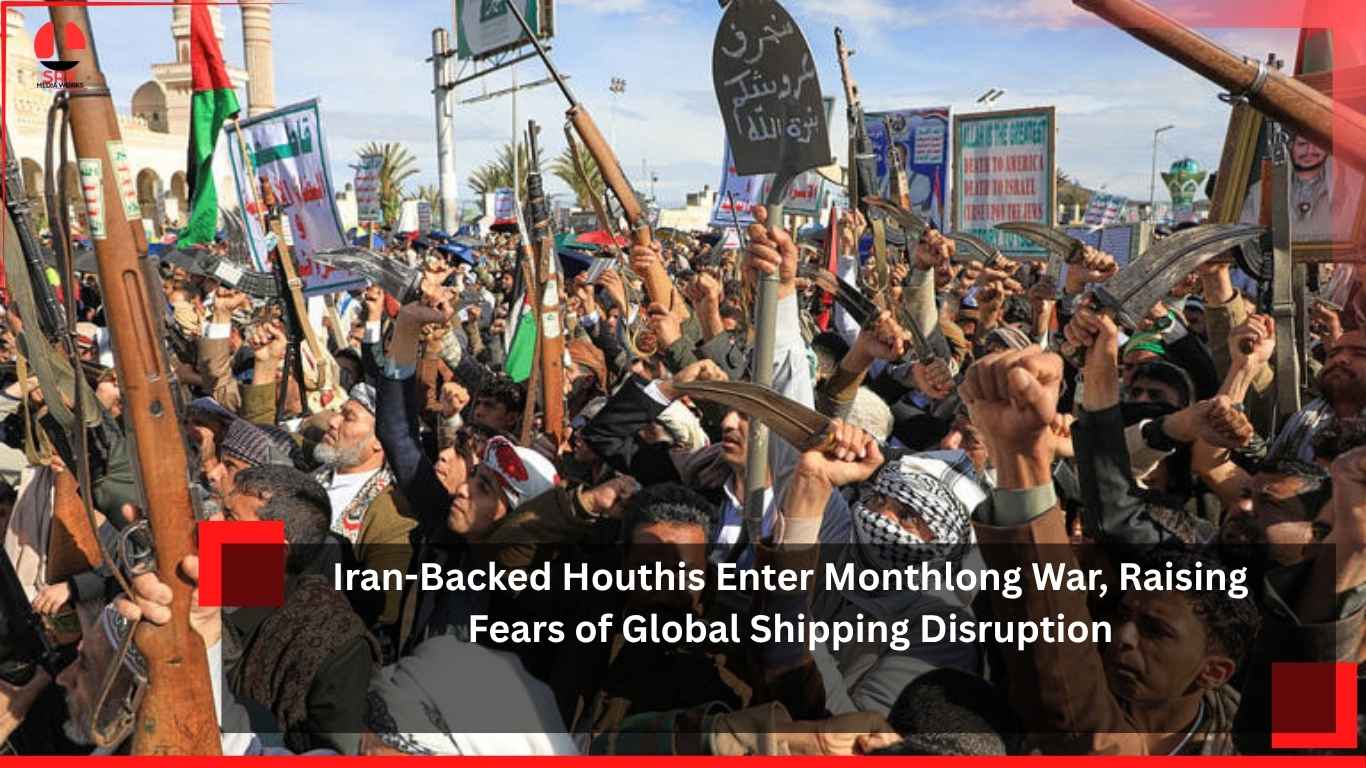
The Iran-backed Houthi movement has officially entered the ongoing monthlong war, intensifying concerns about the safety of global shipping routes. Analysts warn that their involvement could further destabilize maritime trade in critical waterways, including the Red Sea and the Gulf of Aden, where commercial vessels already face heightened risks.
Background of the Conflict
The Houthis, based in Yemen, have long been a significant regional force, supported by Iran in their struggle against Saudi-led coalitions. Their entry into the current war marks a dangerous escalation, as they possess capabilities to target shipping lanes with drones, missiles, and naval mines.
Global shipping companies have already reported disruptions, with vessels rerouting to avoid conflict zones. The Houthis’ involvement adds another layer of complexity to an already volatile situation.
Strategic Importance of Shipping Routes
The Red Sea and Gulf of Aden are among the world’s most vital maritime corridors. They connect Europe, Asia, and Africa, serving as gateways for oil, gas, and commercial goods. Any disruption in these routes can have far-reaching consequences for global trade and energy markets.
Political Reactions
Regional Powers
- Saudi Arabia and Gulf states condemned the Houthis’ involvement, warning of increased instability.
- Iran has not issued direct statements but continues to be accused of backing the Houthis militarily.
Global Community
- The United States and European nations expressed concern about threats to international shipping.
- Humanitarian organizations fear that escalation will worsen Yemen’s already dire crisis.
Comparative Analysis of Shipping Threats
| Factor | Before Houthis’ Entry | After Houthis’ Entry |
|---|---|---|
| Risk to Shipping | Moderate | Severe |
| Regional Stability | Fragile | Highly unstable |
| Global Trade Impact | Manageable rerouting | Significant disruption |
| Military Escalation | Limited | Expanded conflict |
Stakeholder Perspectives
| Stakeholder Group | Reaction | Implications |
|---|---|---|
| Shipping Companies | Alarmed, rerouting vessels | Increased costs, delays |
| Regional Governments | Condemnation | Heightened military readiness |
| Global Traders | Concerned | Rising insurance premiums |
| Analysts | Skeptical of quick resolution | Long-term instability |
Pivot Analysis of Future Scenarios
| Scenario | Likelihood | Impact |
|---|---|---|
| Continued Escalation | High | Severe disruption |
| Diplomatic Intervention | Moderate | Stabilizing effect |
| Military Confrontation | High | Regional crisis |
| Humanitarian Collapse | Moderate | Global concern |
Broader Implications
The Houthis’ entry into the war underscores the interconnectedness of regional conflicts and global trade. Shipping disruptions could lead to higher oil prices, increased transportation costs, and delays in supply chains worldwide. Insurance premiums for vessels crossing the Red Sea are already rising, reflecting the growing risks.
Challenges Ahead
- Maritime Security: Ensuring safe passage for vessels in conflict zones.
- Diplomatic Efforts: Balancing regional rivalries with global trade interests.
- Humanitarian Crisis: Addressing Yemen’s worsening situation amid war escalation.
- Economic Impact: Managing rising costs for global shipping and energy markets.
Opportunities for Resolution
- Strengthening international naval patrols in the Red Sea.
- Engaging in diplomatic talks to reduce tensions.
- Supporting humanitarian aid to Yemen.
- Encouraging global cooperation to safeguard shipping routes.
Conclusion
The Iran-backed Houthis’ entry into the monthlong war represents a significant escalation with global consequences. By threatening vital shipping routes, they have introduced new risks to international trade and energy security. The situation demands urgent diplomatic and security measures to prevent further destabilization and protect civilian lives and livelihoods.
Disclaimer
This article is based on public reports and official statements regarding the Houthis’ involvement in the ongoing conflict. No independent verification of all claims has been provided at the time of writing. The content is intended for informational and analytical purposes only, not as verified fact. Readers are encouraged to follow official updates for accurate information.