




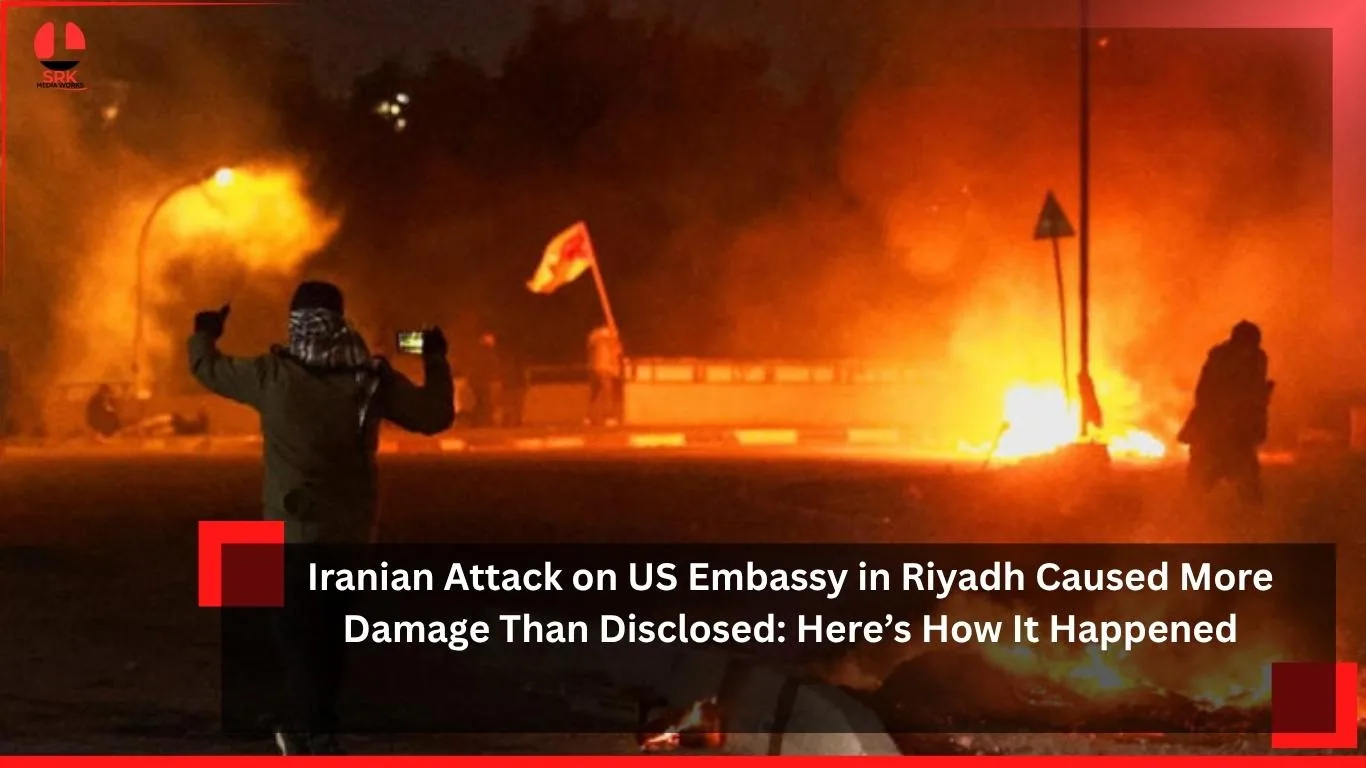
Fresh intelligence reports reveal that the Iranian attack on the US Embassy in Riyadh caused significantly more damage than initially disclosed. While early statements suggested limited structural impact, new details confirm that multiple sensitive areas were struck, fires raged for hours, and critical operations were disrupted. This revelation has sparked renewed debate about regional security, diplomatic vulnerabilities, and the escalating tensions between Iran and the United States.
How the Attack Unfolded
- Date of Incident: March 2026.
- Method of Attack: Iranian drones penetrated Saudi air defenses and targeted the US Embassy compound.
- Impact Zones: Several embassy floors, including intelligence-linked facilities, were hit.
- Immediate Consequences: Fires broke out, communication systems were disrupted, and emergency evacuation protocols were activated.
Extent of Damage
Initial reports downplayed the severity, but subsequent assessments highlight:
- Structural Damage: Multiple floors sustained heavy damage.
- Operational Disruption: Sensitive intelligence operations were interrupted.
- Casualties: While official figures remain undisclosed, injuries among staff and security personnel were reported.
- Diplomatic Fallout: The incident strained US-Saudi coordination and raised questions about defense preparedness.
Comparative Analysis of Embassy Attacks
| Location | Year | Method | Reported Damage | Actual Damage (Revised) |
|---|---|---|---|---|
| Benghazi, Libya | 2012 | Armed Assault | Severe | Severe |
| Baghdad, Iraq | 2020 | Militia Siege | Moderate | High |
| Riyadh, Saudi Arabia | 2026 | Drone Strike | Limited | Extensive |
This comparison shows how initial disclosures often understate the true extent of damage in high-profile embassy attacks.
Pivot Analysis of Risks
| Risk Factor | High Risk | Moderate Risk | Low Risk |
|---|---|---|---|
| Diplomatic Fallout | ✔ | ||
| Security Vulnerabilities | ✔ | ||
| Regional Stability | ✔ | ||
| Global Energy Markets | ✔ |
Regional and Global Reactions
- United States: Officials condemned the attack, pledging stronger security measures and warning Iran of consequences.
- Saudi Arabia: Expressed concern over air defense gaps and vowed to strengthen cooperation with Washington.
- Iran: Denied direct involvement, framing the incident as retaliation for US policies in the region.
- International Community: Called for restraint, fearing escalation could destabilize global energy markets.
Public Sentiment
| Stakeholder | Reaction | Sentiment (%) |
|---|---|---|
| US Citizens | Anger, Demand Accountability | 80 Negative |
| Saudi Citizens | Concern Over Security | 70 Negative |
| Iranian Citizens | Mixed | 50 Positive / 50 Neutral |
| Global Analysts | Alarm | 85 Negative |
Strategic Implications
- Security Vulnerabilities: The attack exposed gaps in Saudi air defense systems.
- Diplomatic Pressure: The US may push allies to isolate Iran further.
- Energy Market Volatility: Any escalation in Riyadh could disrupt oil supplies.
- Regional Instability: Heightened risk of retaliatory strikes and proxy conflicts.
Conclusion
The Iranian attack on the US Embassy in Riyadh was far more damaging than initially disclosed, striking sensitive areas and disrupting critical operations. The revelations underscore the growing sophistication of drone warfare and the vulnerabilities of even heavily fortified diplomatic compounds. As tensions rise, the incident could reshape US policy in the Middle East and intensify global concerns about regional stability.
Disclaimer
This article is intended for informational purposes only. It summarizes reported developments and geopolitical analysis without endorsing or opposing any political stance. Readers are encouraged to consult multiple perspectives and authoritative sources before forming conclusions about sensitive international issues.