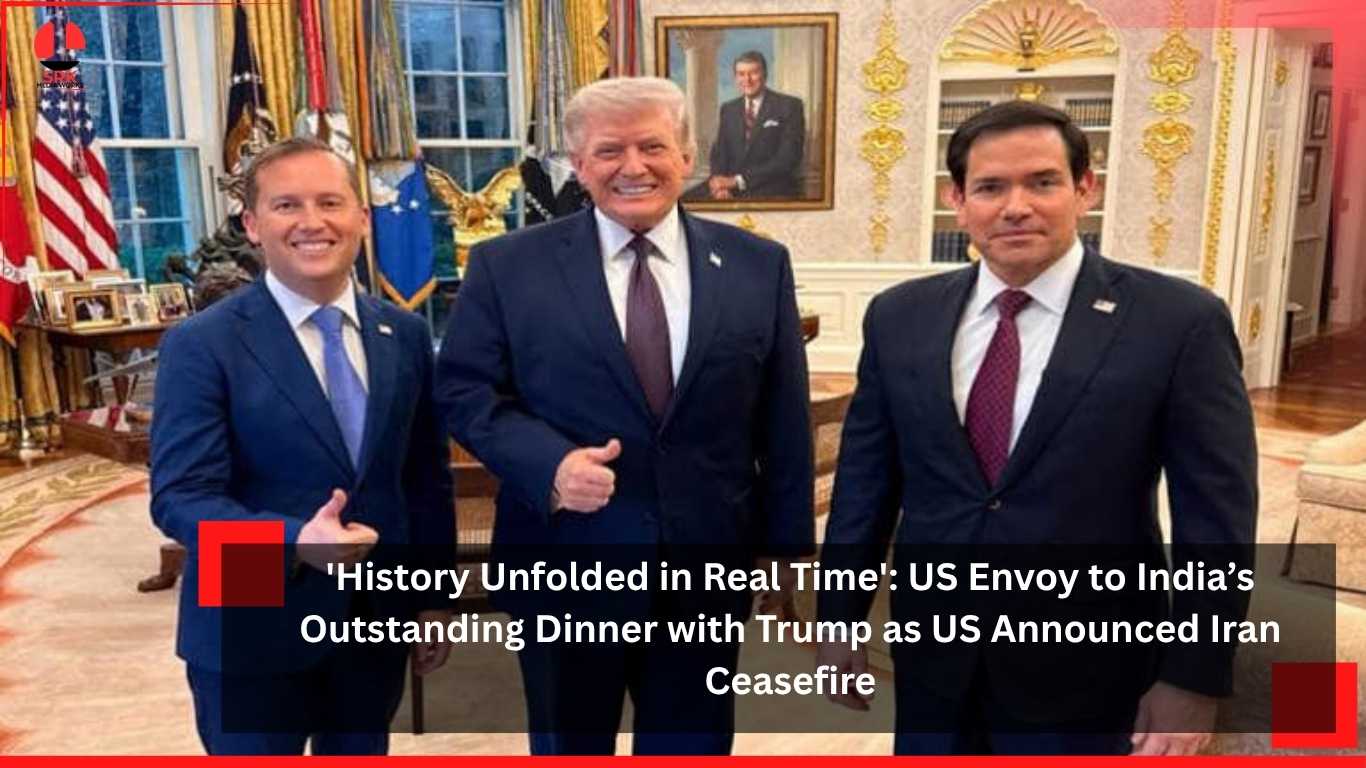
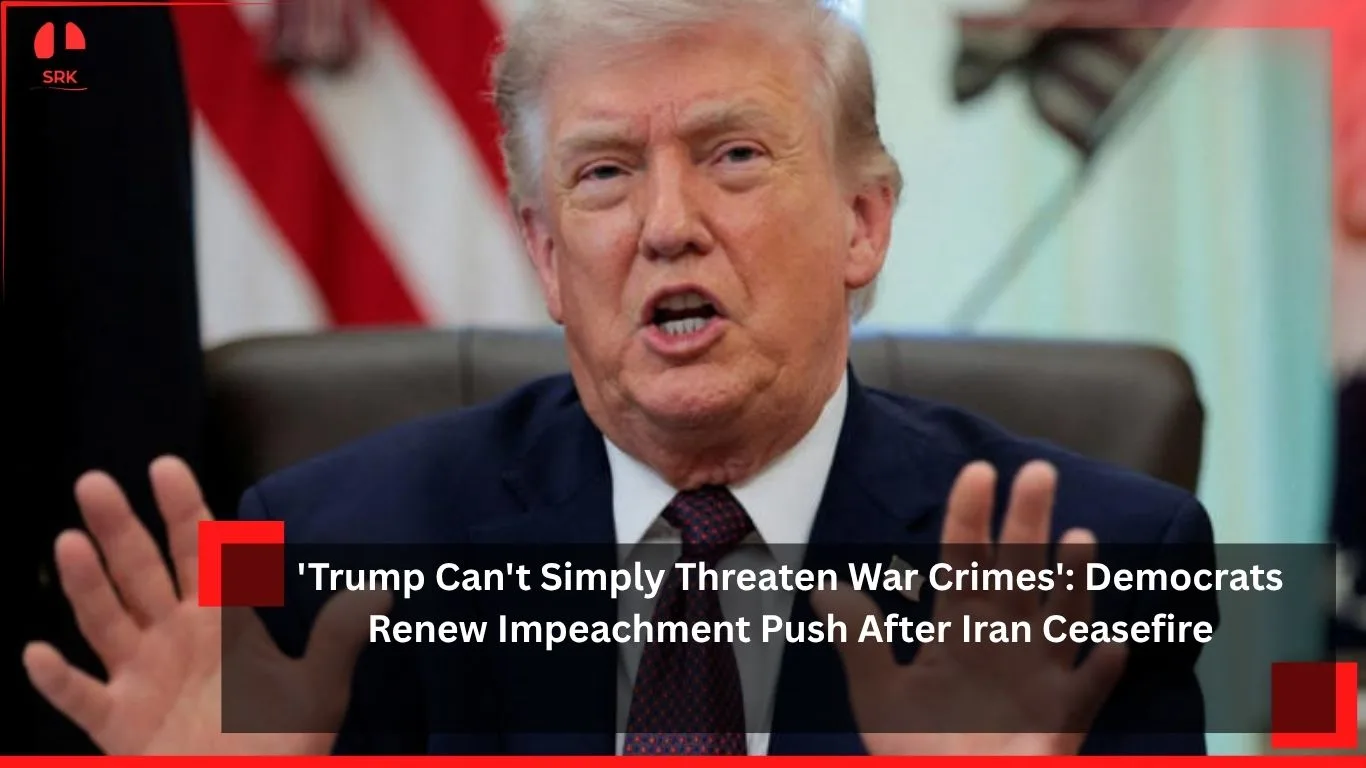
The recent Iran-US ceasefire has not only reshaped Middle Eastern geopolitics but also reignited domestic political battles in Washington. Democrats have renewed their impeachment push against President Donald Trump, arguing that his rhetoric and threats of war crimes during the conflict crossed constitutional boundaries. The phrase “Trump can’t simply threaten war crimes” has become a rallying cry for critics who believe the President’s conduct undermines both international law and America’s democratic institutions.
Background: The Iran Ceasefire and Trump’s Rhetoric
The ceasefire between the United States and Iran followed weeks of escalating tensions, military strikes, and diplomatic maneuvering. While the truce was welcomed globally, Trump’s earlier threats — including suggestions of targeting cultural sites in Iran — sparked outrage. Critics labeled such statements as potential war crimes under international law.
Democrats argue that these threats, combined with Trump’s handling of the conflict, justify renewed impeachment proceedings. They claim his actions demonstrate abuse of power, disregard for constitutional limits, and violation of international norms.
Democrats’ Renewed Push
The impeachment push centers on several key arguments:
- Violation of International Law: Threatening cultural sites is considered a war crime under the Geneva Conventions.
- Abuse of Power: Using military threats for political leverage undermines democratic accountability.
- Constitutional Concerns: Critics argue Trump bypassed congressional authority in escalating military actions.
- Moral Responsibility: Lawmakers emphasize the need to uphold America’s image as a defender of human rights.
Comparative Analysis: Trump’s Position vs. Democrats’ Position
| Dimension | Trump’s Position | Democrats’ Position |
|---|---|---|
| Ceasefire Outcome | Claims victory, deterrence | Argues reckless escalation |
| Threats of War Crimes | Framed as deterrence | Seen as unconstitutional and illegal |
| Congressional Authority | Broad executive power | Must seek congressional approval |
| Public Perception | Strong leadership | Dangerous precedent |
Pivot Analysis: Ceasefire vs. Impeachment Push
| Factor | Ceasefire Impact | Impeachment Push Impact |
|---|---|---|
| Global Stability | Reduced tensions with Iran | Increased domestic political divisions |
| US Image Abroad | Shows military strength | Raises questions about legality |
| Domestic Politics | Boosts Trump’s base | Energizes Democratic opposition |
| Future Outlook | Temporary peace | Possible impeachment proceedings |
Public and Media Reaction
- Supporters of Trump: Argue his threats were strategic deterrence, not actual intent.
- Democrats: Insist that threatening war crimes is unacceptable, regardless of outcome.
- International Observers: Express concern about US credibility in upholding international law.
- Media Coverage: Highlights the clash between foreign policy success and domestic accountability.
Legal and Constitutional Debate
The impeachment push has reignited debates about presidential powers:
- War Powers Resolution: Requires congressional approval for sustained military action.
- International Law: Threats against cultural sites violate global conventions.
- Executive Authority: Supporters argue the President has broad discretion in national security.
Future Outlook
The impeachment push may not immediately succeed, but it sets the stage for:
- Continued Congressional Hearings: Investigating Trump’s conduct during the Iran conflict.
- Legal Challenges: Potential lawsuits over executive overreach.
- Political Campaigns: Democrats likely to use the issue in upcoming elections.
Conclusion
The statement “Trump can’t simply threaten war crimes” encapsulates the Democratic argument for renewed impeachment proceedings following the Iran ceasefire. While Trump claims the truce as a victory, critics argue his rhetoric and actions undermine constitutional authority and international law. The clash highlights the tension between foreign policy success and domestic accountability, ensuring that the ceasefire’s legacy will be debated long after the guns fall silent.
Disclaimer
This article is an analytical overview based on publicly available information and political assessments. It does not endorse or criticize any nation, political party, or leader. The content is intended for informational and educational purposes only, and readers should consider multiple perspectives before forming conclusions.