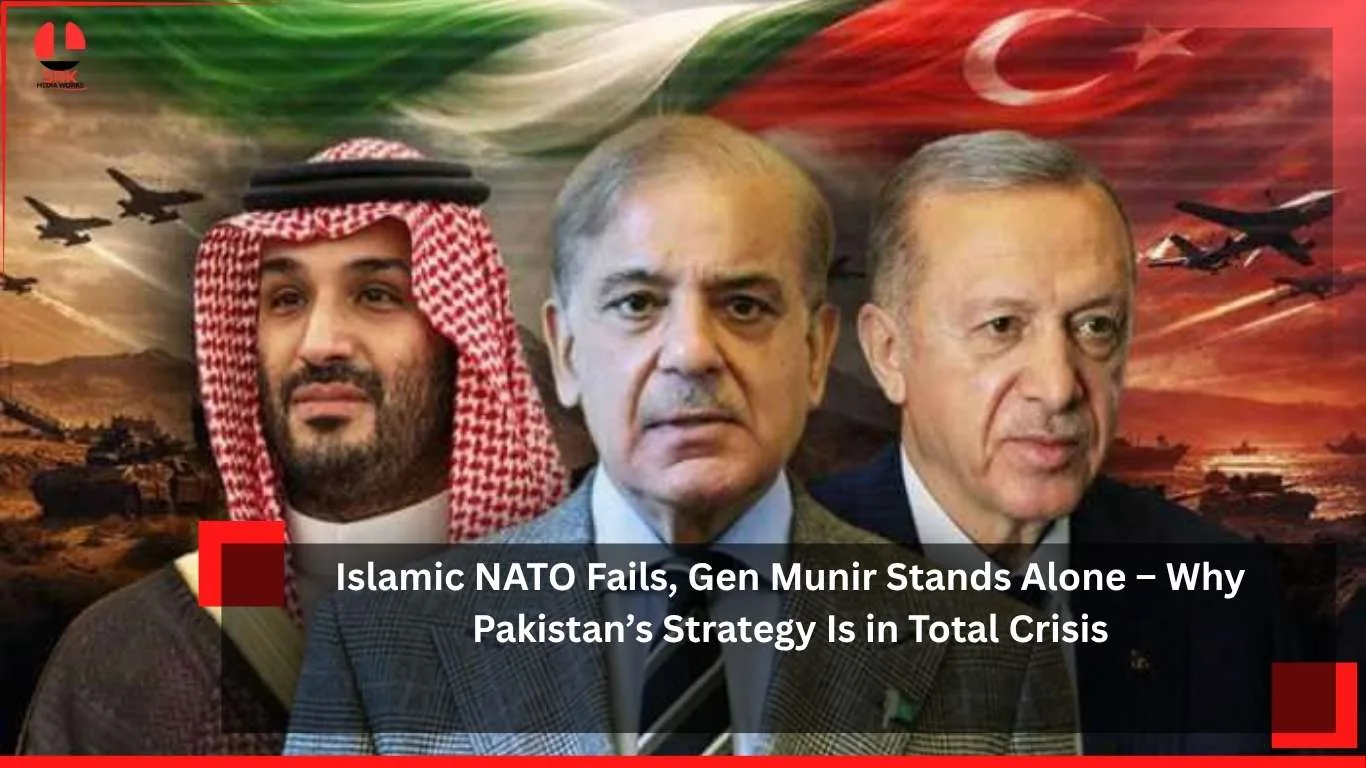
Pakistan’s ambitious vision of leading an “Islamic NATO” — a coalition of Muslim-majority nations united under a collective defense and strategic umbrella — has collapsed under the weight of geopolitical realities. General Asim Munir, Pakistan’s Chief of Army Staff, now finds himself isolated as the country’s broader foreign policy strategy faces a total crisis. The failure of this initiative underscores Pakistan’s struggle to balance regional alliances, economic vulnerabilities, and domestic political instability.
The Concept of an Islamic NATO
The idea of an “Islamic NATO” was rooted in Pakistan’s desire to:
- Unify Muslim nations under a collective defense pact.
- Counterbalance Western alliances like NATO.
- Strengthen Pakistan’s leadership role in the Muslim world.
- Leverage military cooperation for regional influence.
However, the plan faced immediate challenges: divergent national interests, sectarian divides, and competing alliances with global powers.
Why the Initiative Failed
Several factors contributed to the collapse of the Islamic NATO vision:
- Divergent Interests: Gulf states prioritize ties with the US, while Turkey and Iran pursue independent agendas.
- Sectarian Divides: Sunni-Shia rivalries made unity nearly impossible.
- Economic Constraints: Pakistan’s financial instability undermined its credibility as a leader.
- Geopolitical Pressures: US, China, and Russia’s influence complicated efforts to form a unified bloc.
Gen Munir’s Isolation
General Asim Munir, who championed Pakistan’s leadership role, now faces isolation:
- Regional Allies Reluctant: Saudi Arabia and UAE prefer bilateral defense ties with the US.
- Turkey’s Independent Path: Ankara pursues its own military and diplomatic strategies.
- Iran’s Opposition: Tehran views Pakistan’s alignment with Gulf states as hostile.
- Domestic Challenges: Political instability and economic crises weaken Pakistan’s ability to lead.
Comparative Analysis: Pakistan vs. Other Muslim States
| Dimension | Pakistan’s Position | Gulf States | Turkey | Iran |
|---|---|---|---|---|
| Military Role | Proposed leadership | US-aligned defense | Independent NATO member | Regional defiance |
| Economic Stability | Weak, reliant on aid | Strong oil revenues | Moderate, diversified | Sanctioned but resilient |
| Diplomatic Strategy | Islamic NATO vision | US-centric alliances | Independent diplomacy | Anti-Western alliances |
| Outcome | Isolation, failed initiative | Continued US ties | Regional autonomy | Opposition to bloc |
Pivot Analysis: Vision vs. Reality
| Factor | Vision of Islamic NATO | Reality of Collapse |
|---|---|---|
| Unity | Collective Muslim defense | Fragmented alliances |
| Leadership | Pakistan at the helm | Gulf states prefer US |
| Security | Shared military strength | Individual defense strategies |
| Global Impact | Counterbalance to NATO | No unified bloc formed |
Regional Implications
The failure of the Islamic NATO initiative has significant consequences:
- Pakistan’s Isolation: Reduced influence in Muslim geopolitics.
- Gulf States’ Alignment: Continued reliance on US military support.
- Turkey’s Autonomy: Strengthened independent role in NATO and regional affairs.
- Iran’s Defiance: Reinforced opposition to Western and Gulf alliances.
Domestic Fallout in Pakistan
The collapse of the initiative has domestic repercussions:
- Political Criticism: Opposition parties blame military leadership for unrealistic ambitions.
- Economic Strain: Failed alliances mean fewer financial and military support opportunities.
- Public Disillusionment: Citizens question Pakistan’s global strategy amid rising inflation and instability.
Global Reactions
- United States: Relieved, as a unified Islamic bloc could have challenged Western influence.
- China: Watches cautiously, preferring bilateral ties with Pakistan.
- Russia: Sees opportunity to exploit divisions among Muslim states.
- Europe: Views collapse as confirmation of fragmented Muslim geopolitics.
Future Outlook
Pakistan’s foreign policy faces a crossroads:
- Recalibration Needed: Shift from unrealistic bloc-building to pragmatic bilateral ties.
- Economic Prioritization: Focus on stabilizing domestic economy to regain credibility.
- Regional Diplomacy: Engage constructively with neighbors rather than pursuing grand visions.
- Military Realism: Accept limitations in leading global Muslim defense initiatives.
Conclusion
The collapse of the Islamic NATO initiative leaves General Asim Munir standing alone, symbolizing Pakistan’s broader strategic crisis. While the vision of a unified Muslim defense bloc was ambitious, it was ultimately unrealistic given sectarian divides, economic instability, and competing global alliances. Pakistan now faces the challenge of redefining its foreign policy, focusing on pragmatic partnerships rather than unattainable grand strategies.
Disclaimer
This article is an analytical overview based on geopolitical assessments and publicly available information. It does not endorse or criticize any nation or political leader. The content is intended for informational and educational purposes only, and readers should consider multiple perspectives before forming conclusions.