
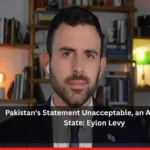
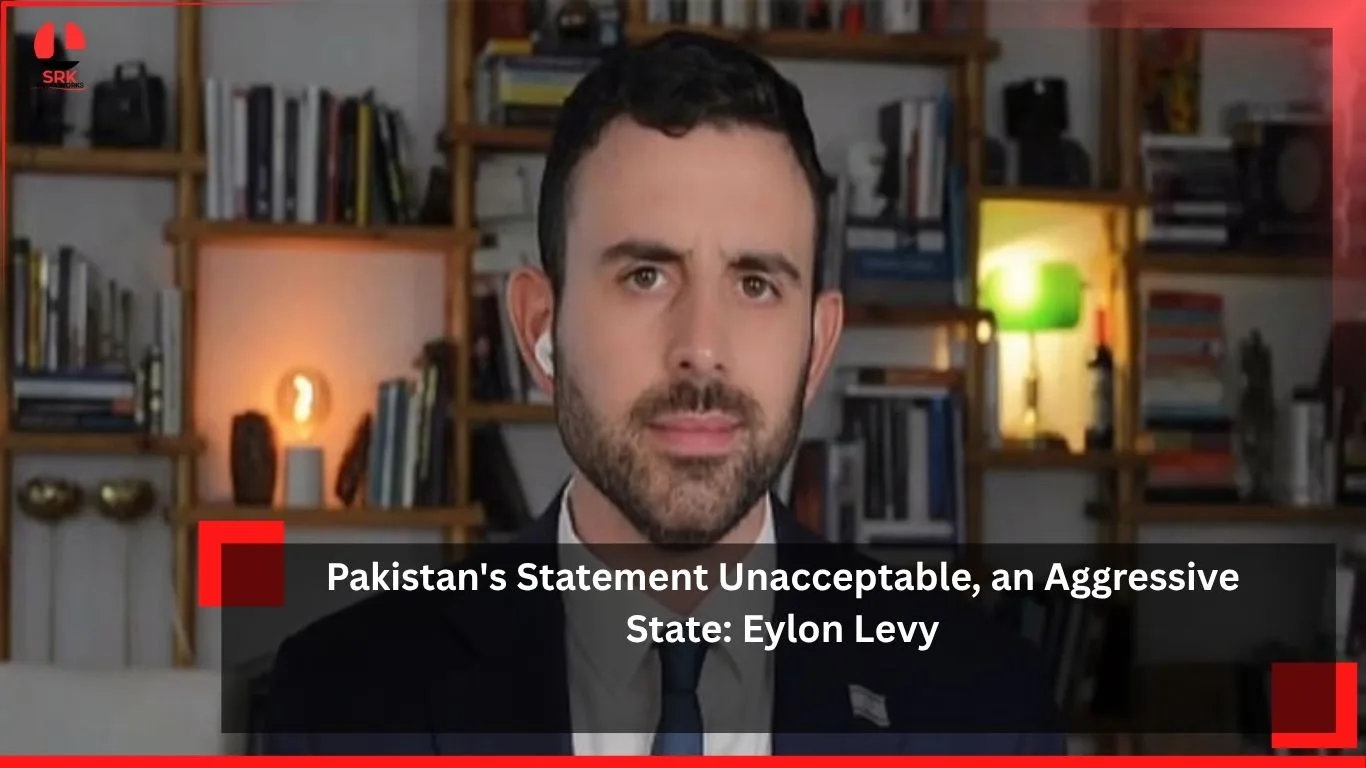
Israeli government spokesperson Eylon Levy has strongly criticized Pakistan’s recent statement on the West Asia crisis, calling it “unacceptable” and describing Pakistan as “an aggressive state.” His remarks highlight the growing diplomatic tensions between Islamabad and Tel Aviv, with both sides trading sharp words amid escalating regional instability.
Levy’s Remarks
Levy, addressing international media, said Pakistan’s comments on Israel’s actions were “unacceptable interference” in matters beyond its jurisdiction. He accused Pakistan of attempting to project itself as a moral authority while ignoring its own internal challenges. By labeling Pakistan “an aggressive state,” Levy underscored Israel’s view that Islamabad’s rhetoric contributes to regional hostility rather than peace.
Pakistan’s Position
Pakistan has historically taken a strong stance on the Palestinian issue, often criticizing Israel’s policies and actions. Its latest statement reiterated support for Palestinian rights and condemned Israeli military operations. Islamabad’s position aligns with its broader foreign policy of advocating for Muslim causes globally.
Diplomatic Fallout
The exchange of words between Israel and Pakistan adds another layer of complexity to the already volatile West Asia crisis. While Pakistan does not officially recognize Israel, its vocal criticism has often drawn sharp responses from Tel Aviv.
Comparative Analysis of Stakeholders
| Stakeholder | Position | Potential Gain | Potential Risk |
|---|---|---|---|
| Israel | Rejects Pakistan’s statement | Reinforces sovereignty | Increased diplomatic isolation |
| Pakistan | Condemns Israeli actions | Domestic and regional support | Escalation of tensions |
| United States | Observes cautiously | Maintains alliances | Risk of strained ties |
| Gulf States | Divided responses | Regional influence | Pressure to take sides |
| European Union | Calls for restraint | Diplomatic credibility | Limited impact |
This comparison highlights how each stakeholder navigates the fallout from the Israel-Pakistan exchange.
Pivot Analysis: Impact of Levy’s Remarks
| Dimension | Before Levy’s Statement | After Levy’s Statement | Implications |
|---|---|---|---|
| Israel-Pakistan Relations | Hostile but muted | Intensified hostility | Reduced prospects for dialogue |
| Regional Diplomacy | Focused on Israel-Iran tensions | Expanded to include Pakistan | Broader conflict narrative |
| Global Perception | Israel criticized by some | Israel defends sovereignty | Polarized views |
| Domestic Politics | Limited impact | Rallying support | Strengthened nationalist rhetoric |
The pivot analysis shows how Levy’s remarks escalate tensions and broaden the scope of the crisis.
Historical Context
Pakistan has consistently opposed Israel’s policies, particularly regarding Palestine. Israel, in turn, has viewed Pakistan’s stance as aggressive and unconstructive. The latest exchange reflects decades of mistrust and ideological divergence.
Public and Media Reaction
In Pakistan, Levy’s remarks have been met with strong criticism, with commentators accusing Israel of deflecting attention from its own actions. In Israel, the statement has been framed as a defense of national sovereignty. Global media has highlighted the exchange as evidence of widening fault lines in West Asia.
Strategic Implications
- For Israel: Levy’s remarks reinforce its narrative of defending sovereignty but risk alienating more countries.
- For Pakistan: The criticism may bolster domestic support but could limit its diplomatic flexibility.
- For the Region: The exchange adds another layer of tension to an already fragile situation.
Possible Outcomes
- Escalation: Continued verbal exchanges deepen hostility.
- Diplomatic Silence: Both sides avoid further confrontation, letting tensions cool.
- Regional Polarization: Other nations are forced to take sides, complicating diplomacy.
- Global Mediation: Larger powers intervene to prevent escalation.
Conclusion
Eylon Levy’s sharp criticism of Pakistan’s statement, labeling it “unacceptable” and calling Pakistan “an aggressive state,” underscores the widening diplomatic rift between the two nations. The exchange reflects deep-rooted mistrust and ideological divergence, adding complexity to the West Asia crisis. Whether the situation escalates or cools will depend on the choices made by both governments and the broader international community.
Disclaimer: This article is based on reported developments and diplomatic analysis. It does not endorse any political party or government. The content is intended for informational purposes only, highlighting how diplomatic exchanges shape international relations. Readers should interpret the situation within the broader framework of global politics.