







At the 2026 Google I/O developer conference in Mountain View, Alphabet Inc. fundamentally altered the landscape of digital information retrieval by unveiling Gemini 3.5 Flash and integrating generative artificial intelligence directly into the core search experience. This move marks the first major structural overhaul of the search box in over two decades, signaling an industry-wide transition from keyword-based indexing to conversational, intent-driven discovery.
The Shift from Links to Answers
For twenty-five years, Google’s search engine functioned primarily as a directory, delivering a list of blue links to external websites. The introduction of Gemini 3.5 Flash represents a departure from this model, prioritizing synthesized, real-time answers generated by large language models directly on the results page.
This architectural change is designed to reduce user friction by providing comprehensive summaries rather than requiring multiple clicks. By leveraging the low-latency capabilities of the new Gemini 3.5 Flash model, Google aims to provide instantaneous responses that integrate data from across the web, internal databases, and personalized user contexts.
Technological Hurdles and Hardware Constraints
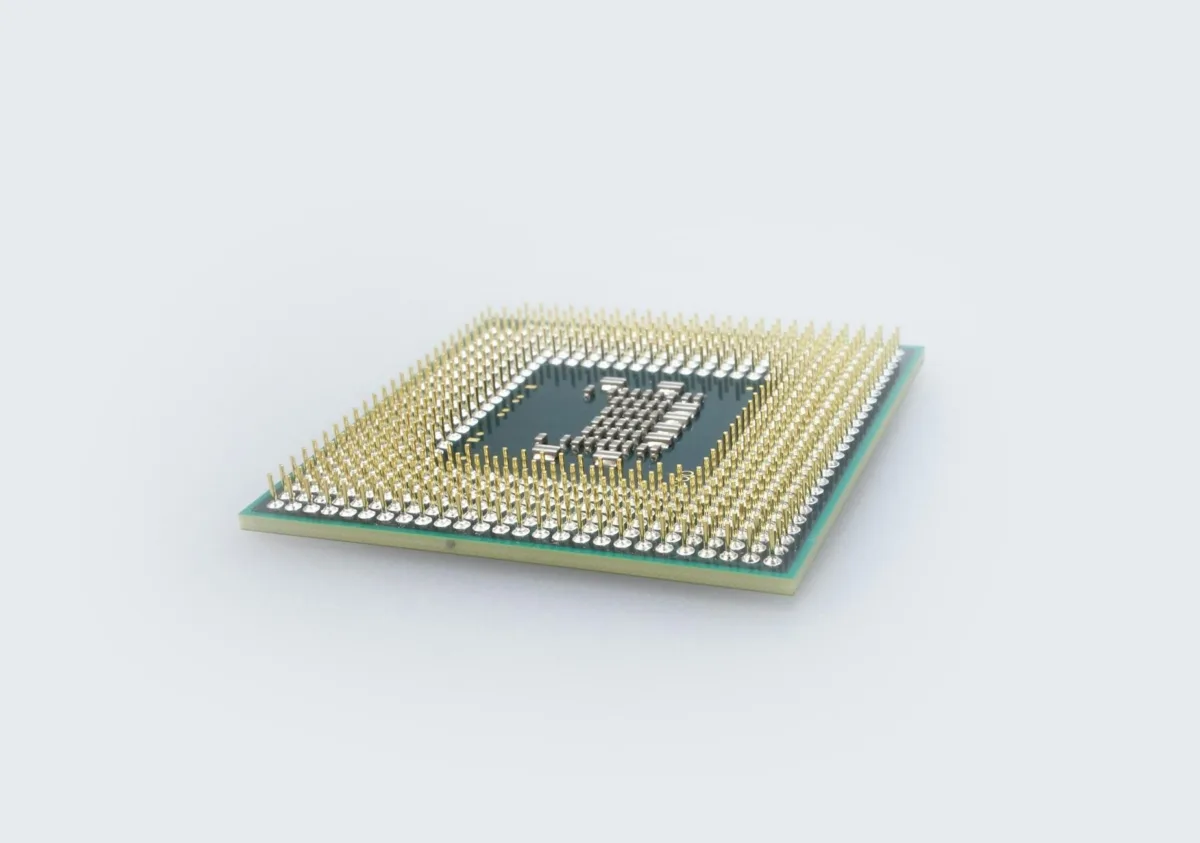
Despite the promise of a more intelligent search, the transition highlights significant hardware limitations within the current mobile ecosystem. Reports from 9to5Google indicate that the advanced intelligence features powering this new search interface require significant on-device processing power that current flagship devices, including the Pixel 9 and Galaxy Z Fold 7, cannot sustain.
This creates a bifurcation in the user experience, where advanced AI-driven search capabilities may become exclusive to next-generation hardware. Industry analysts note that this shift could accelerate device upgrade cycles as consumers seek hardware capable of supporting the high-spec requirements of modern AI models.
Industry Impact and Economic Shifts
The transition to an AI-first search model carries profound implications for the digital advertising and SEO industries. Historically, Google’s revenue model has relied on users clicking through to websites, where advertisements are displayed alongside content.
If the search engine provides the complete answer, traffic to third-party publishers may decline significantly. This shift necessitates a re-evaluation of how content creators and businesses optimize their online presence for visibility in an environment where the “zero-click” search result is the default.
Future Outlook
Looking ahead, the industry will be watching how Google balances its role as a gatekeeper of information with the need to sustain the broader web ecosystem. The success of Gemini 3.5 Flash will likely hinge on the model’s ability to maintain factual accuracy while navigating the complex regulatory environment surrounding AI-generated content.
Investors and developers should monitor upcoming API updates and developer documentation to see how third-party services will integrate with the new search architecture. The coming months will prove critical in determining whether this AI-centric approach becomes a standard for the web or a walled-garden experience that fundamentally changes internet traffic patterns.