





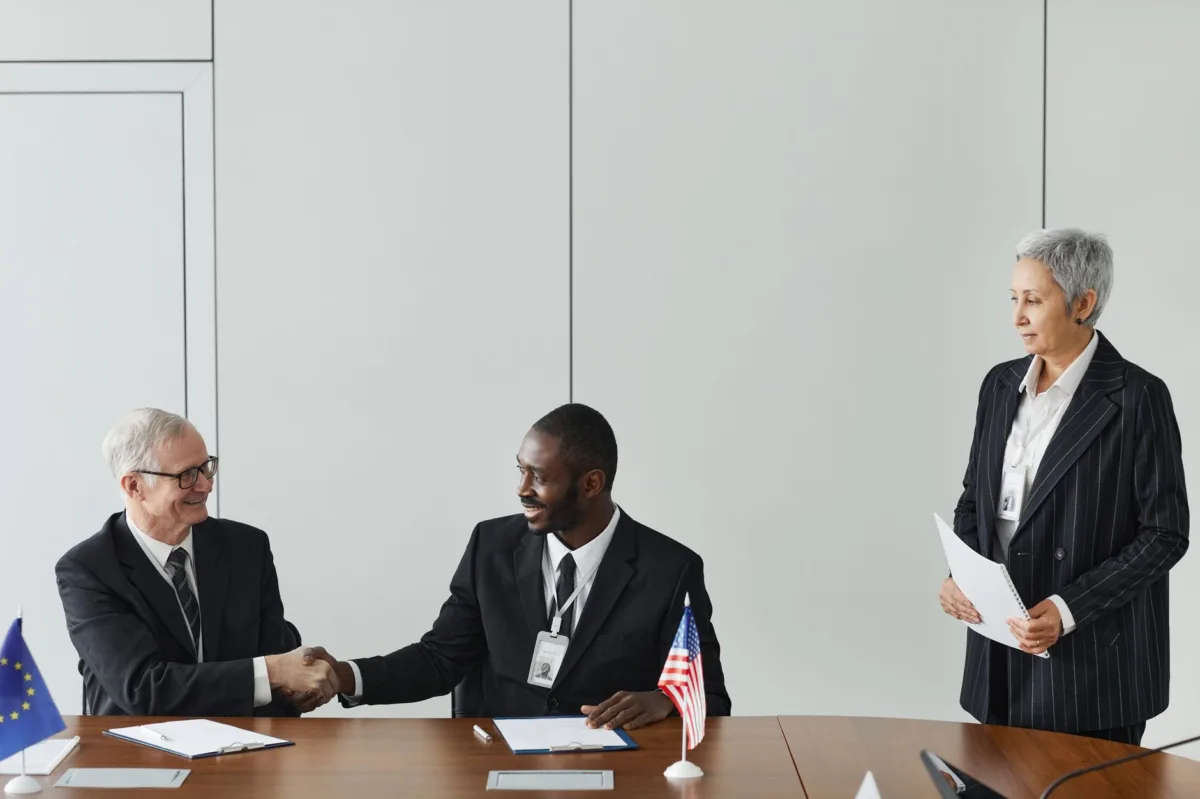
Diplomatic Engagement in New Delhi
U.S. Secretary of State Marco Rubio arrived in New Delhi this week to engage in high-level discussions with Prime Minister Narendra Modi, signaling a renewed commitment to the U.S.-India strategic partnership. The visit, which centers on reinforcing bilateral security cooperation and addressing the ongoing humanitarian and geopolitical crisis in West Asia, underscores the deepening alignment between the world’s two largest democracies.
The Context of U.S.-India Relations
The relationship between Washington and New Delhi has evolved significantly over the past decade, shifting from cautious engagement to a comprehensive global strategic partnership. This momentum is fueled by shared concerns regarding regional stability in the Indo-Pacific and a mutual desire to strengthen supply chain resilience. The current administration views India as a cornerstone for maintaining a free and open international order, particularly in the face of rising competition in Asia.
Key Focus Areas and Strategic Dialogue
During his meeting with Prime Minister Modi, Secretary Rubio delivered a formal invitation on behalf of President-elect Donald Trump for the Indian leader to visit the White House. This gesture highlights the administration’s intent to maintain personal rapport at the highest levels of government. Beyond symbolic diplomacy, the discussions covered critical logistical developments, including the announcement of a new “America First” visa tool designed to streamline professional mobility for essential sectors, further cementing the “vital” nature of the India-U.S. bond.
Expert Perspectives and Global Implications
Analysts note that Rubio’s presence at the Quad Foreign Ministers‘ Summit—a group comprising the U.S., India, Japan, and Australia—serves as a clear signal of the U.S. commitment to regional stability. According to government briefings, the dialogue also addressed the volatile situation in West Asia, with both nations seeking common ground on de-escalation strategies. The integration of high-skilled labor via new visa initiatives is expected to bolster the technological and defense manufacturing sectors, which are central to the U.S.-India Initiative on Critical and Emerging Technology (iCET).
Future Outlook and Strategic Trajectory
The coming months will likely see an intensification of defense and technology transfers as both nations work to operationalize the agreements discussed in New Delhi. Observers should watch for progress on joint production initiatives for military hardware and the implementation of the new visa framework, which could serve as a litmus test for the efficiency of future bureaucratic cooperation. As the geopolitical landscape remains fluid, the focus will remain on whether these diplomatic overtures can translate into tangible economic and security outcomes that benefit both nations in the long term.