








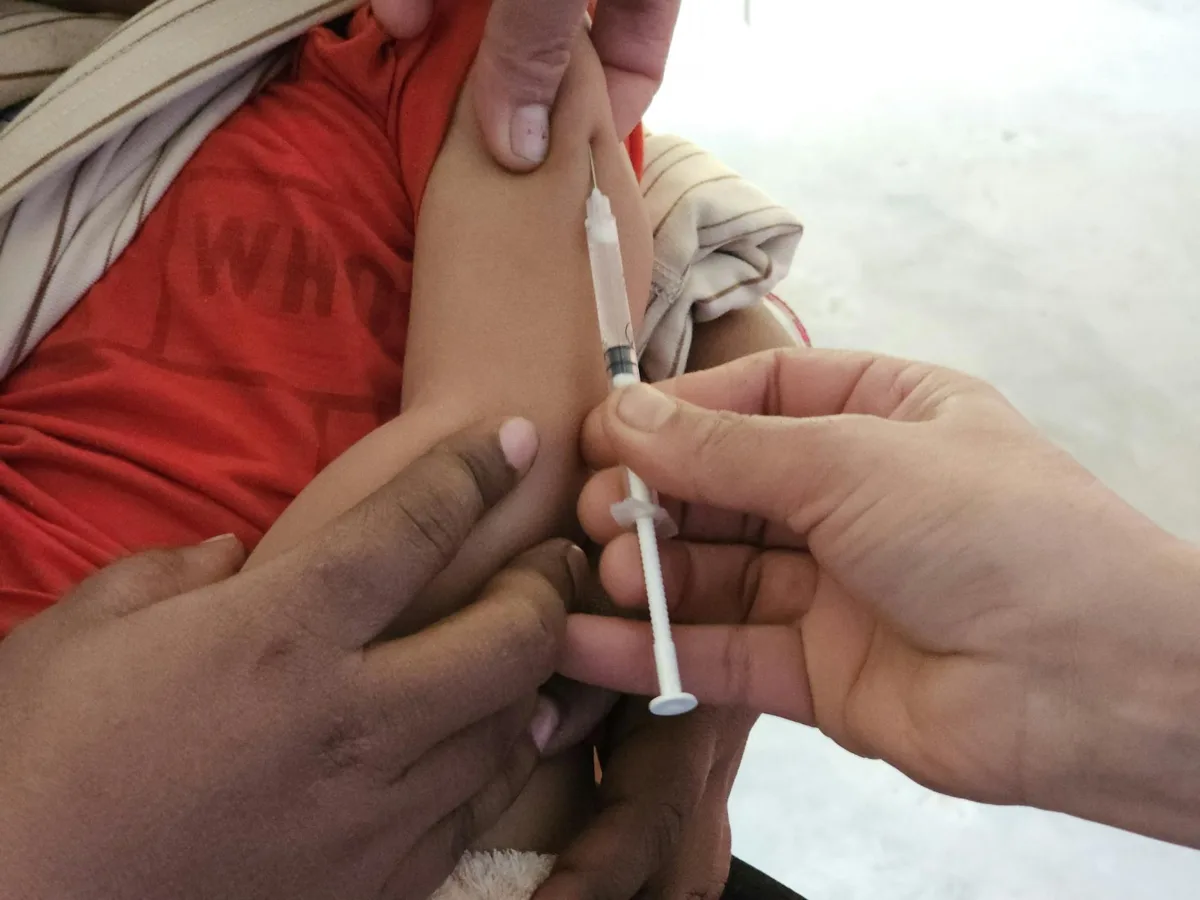
A severe measles outbreak across Bangladesh has claimed the lives of more than 500 children, sparking an urgent public health crisis as medical facilities struggle to manage a surge in suspected and confirmed cases. Health authorities have confirmed the fatalities, while the Directorate General of Health Services (DGHS) continues to revise infection data to reflect the rapidly evolving scope of the epidemic. The crisis, centered primarily in densely populated regions, has forced the government to extend vaccination efforts beyond the initially planned campaign window.
Context and Historical Vaccination Challenges
Measles is a highly contagious viral disease that remains a leading cause of death among young children globally, despite the availability of safe and cost-effective vaccines. In Bangladesh, while the Expanded Programme on Immunization (EPI) has historically maintained high coverage rates, recent disruptions and pockets of vaccine hesitancy have created vulnerabilities in herd immunity. Public health experts suggest that the current outbreak is exacerbated by gaps in routine immunization follow-ups, which were notably affected by logistical hurdles in recent years.
The Scale of the Public Health Emergency
The situation escalated quickly as hospitals reported an influx of patients exhibiting hallmark symptoms, including high fever, cough, and characteristic rashes. Reports from news outlets, including Al Jazeera and The Daily Star, indicate that the death toll has crossed the 500-mark, a figure that continues to fluctuate as regional health offices consolidate data. The DGHS has come under scrutiny for its shifting reporting metrics, leading to calls for more transparent and standardized data collection to better direct medical resources.
Government Response and Vaccination Efforts
In response to the mounting mortality rate, the Ministry of Health has officially declared that vaccination campaigns will persist even after the scheduled end dates. Health Minister officials emphasized that the priority is to reach communities that were previously missed, particularly in remote or underserved areas. While the government has mobilized additional medical teams, the challenge remains in maintaining the cold chain for vaccine storage and ensuring that families are aware of the importance of the second dose in the immunization schedule.
Expert Perspectives and Industry Data
Epidemiologists warn that measles outbreaks are often a precursor to broader systemic health failures, signaling that existing preventive measures are insufficient. Data from international health organizations underscores that a 95% coverage rate with two doses of the measles vaccine is required to prevent outbreaks. Current trends in Bangladesh suggest that the country has fallen below this critical threshold in several districts, allowing the virus to circulate freely among susceptible populations.
Broader Implications for Regional Health
The severity of this outbreak serves as a critical indicator of the fragility of post-pandemic public health infrastructure. For the local population, the immediate implication is a heightened necessity for vigilance and adherence to immunization schedules. For the broader Southeast Asian region, the situation highlights the urgent need for cross-border cooperation in disease surveillance and vaccine supply chain stability. Observers should monitor whether the government’s extended vaccination strategy effectively contains the spread, or if further international assistance will be required to stabilize the public health sector.