





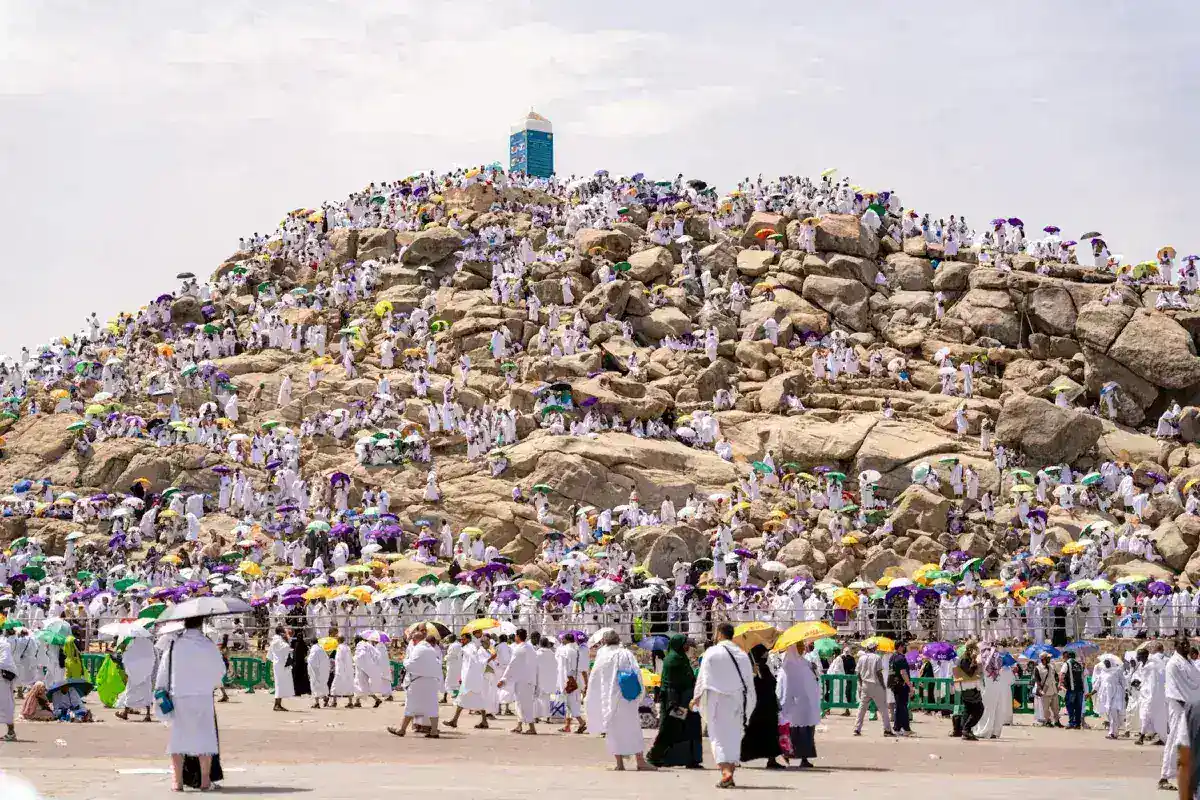
Thousands of Iranian pilgrims have arrived in Saudi Arabia this week to participate in the annual Hajj, marking a significant, albeit fragile, diplomatic milestone amid escalating regional tensions. As the kingdom prepares to host millions of Muslims from across the globe in Mecca, the presence of Iranian citizens remains a focal point for international observers monitoring the direct and proxy conflicts currently destabilizing the Middle East.
A History of Diplomatic Fragility
The pilgrimage occurs against a backdrop of long-standing friction between Riyadh and Tehran, which have historically utilized the Hajj as a barometer for bilateral relations. Diplomatic ties were severed in 2016 following attacks on Saudi diplomatic missions in Iran, leading to a multi-year hiatus in Iranian participation in the pilgrimage.
While the two nations restored formal diplomatic relations in 2023 through a China-brokered agreement, the current climate of war has tested these ties. The ongoing conflict in Gaza and related regional skirmishes have forced both governments to balance their geopolitical hostilities with the religious imperative of facilitating the Hajj.
Operational Challenges and Security Measures
Saudi authorities have implemented unprecedented security protocols to ensure the safety of the massive crowds gathering in the holy city. Officials estimate that over two million pilgrims will perform the Hajj this year, requiring a complex logistical operation that coordinates everything from crowd control to medical services.
For the Iranian delegation, the pilgrimage is managed under strict oversight. The Iranian Hajj and Pilgrimage Organization coordinates with its Saudi counterparts to ensure that the religious proceedings remain decoupled from the political rhetoric that often dominates state-level discourse.
Expert Perspectives on Regional Stability
Political analysts suggest that the successful execution of the Hajj serves as a vital stress test for the recent rapprochement between the two powers. Dr. Sarah Al-Hussaini, a regional security fellow, notes that the pilgrimage provides a rare, controlled environment for communication between the two states.
“The fact that thousands of Iranians are on the ground in Mecca demonstrates a mutual desire to keep the religious sphere insulated from the volatility of the current war,” Al-Hussaini stated. Data from the Saudi Ministry of Hajj and Umrah indicates that the kingdom has prioritized the normalization of pilgrimage flows, viewing it as a core component of its Vision 2030 goal to expand religious tourism.
Implications for the Future
For the average pilgrim, the focus remains strictly on the religious rites, yet the broader implications for the region are undeniable. The ability of Riyadh and Tehran to manage this massive influx of citizens without incident will likely determine the trajectory of their diplomatic thaw in the coming months.
Observers will be closely watching for any signs of political demonstrations or security breaches within the holy sites, which could rapidly derail the fragile peace. As the Hajj progresses, the international community remains attentive to whether this religious cooperation can foster the stability required to de-escalate the broader regional conflict.