








Shifting Paradigms in Cupertino
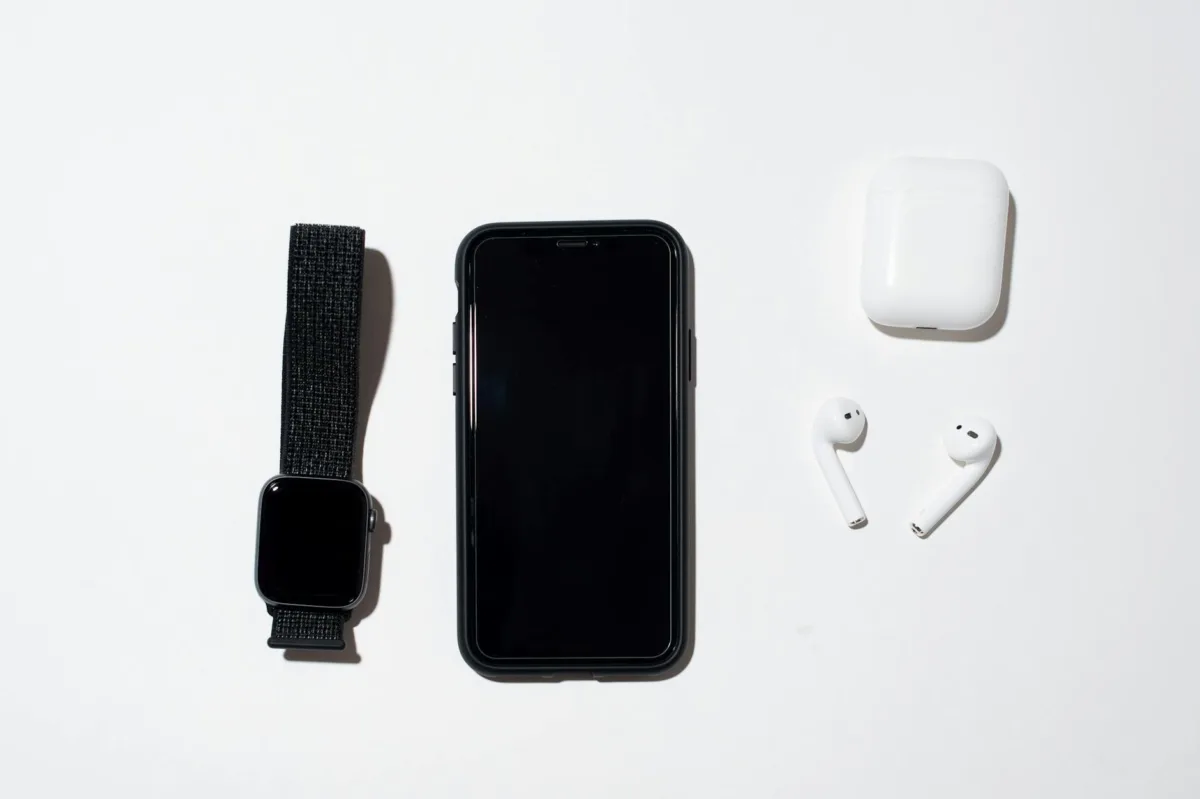
Apple is expected to fundamentally alter its product launch strategy this September by staggering the release of its upcoming iPhone 18 lineup, a move designed to manage supply chain complexities and maintain market momentum. Industry reports suggest that the company will separate the rollout of the standard models from the high-end Pro variants, potentially incorporating the long-rumored foldable device into a distinct debut window.
Contextualizing the Shift
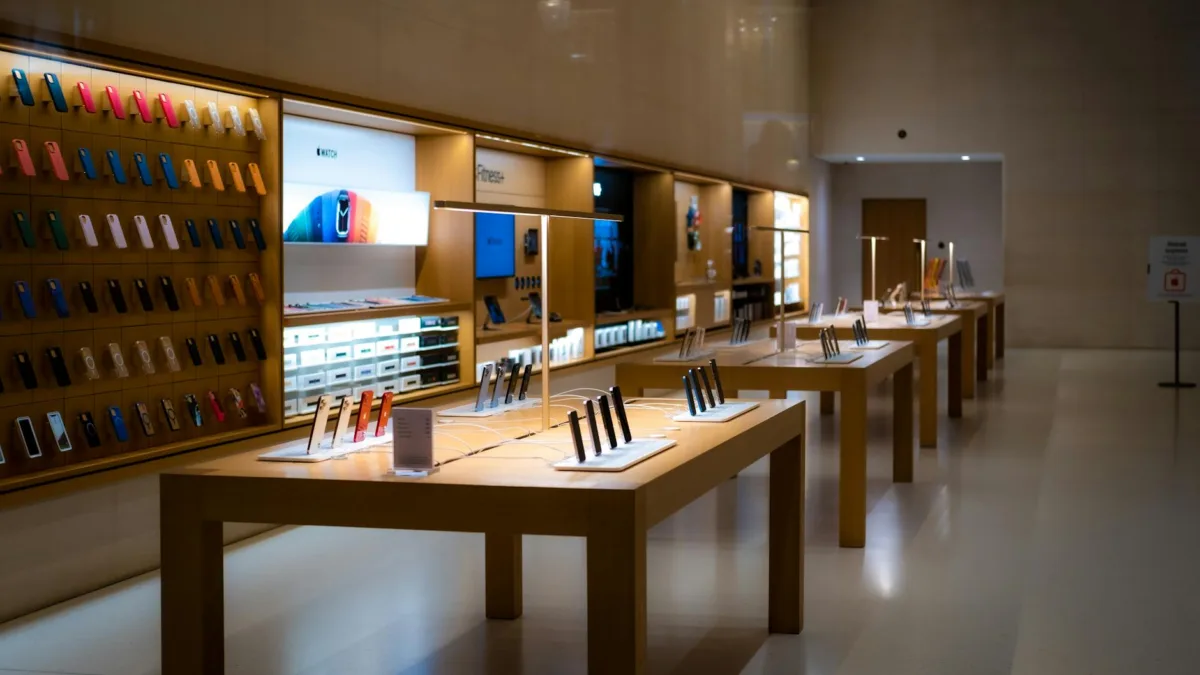
For over a decade, Apple has maintained a synchronized release schedule, typically unveiling its entire smartphone catalog during a single keynote event in the early autumn. This predictable cadence has long served as a cornerstone of the company’s marketing strategy, creating a singular global event that dominates tech news cycles for weeks.
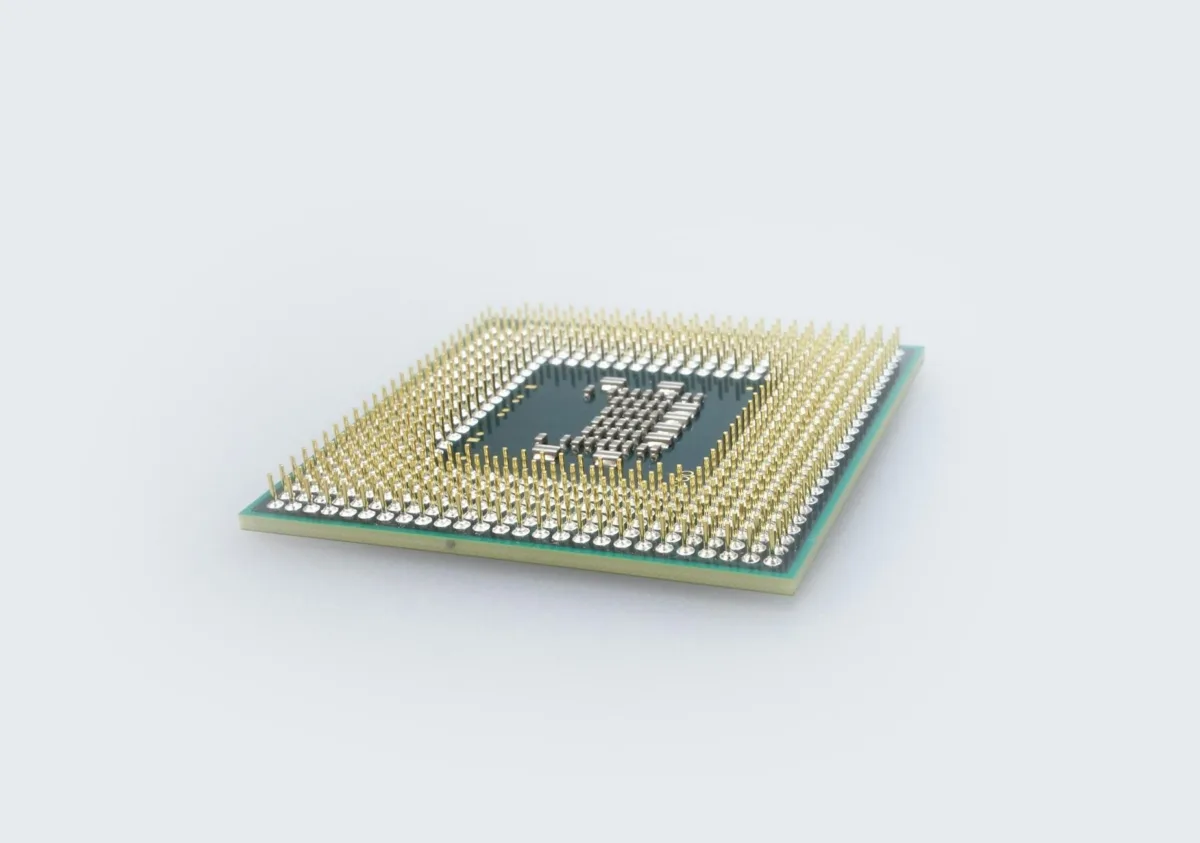
However, recent global logistical constraints and the increasing complexity of manufacturing advanced hardware have forced a re-evaluation of this model. Market analysts note that by staggering launches, Apple can better stabilize its production yields and ensure that retail availability meets the intense demand associated with flagship Pro models.
Analyzing the New Strategy
The decision to potentially introduce a foldable handset alongside the iPhone 18 Pro signals a shift in Apple’s approach to product differentiation. By isolating the Pro and experimental tiers, Apple can provide more focused attention to the technological advancements in each device, such as proprietary camera upgrades and chassis innovations.
Reports from India Today and Firstpost indicate that while the Pro models will receive significant internal hardware boosts, Apple aims to keep pricing stable despite inflationary pressures. This pricing strategy suggests that the company is prioritizing market share retention over immediate margin expansion in the premium segment.
Expert Perspectives
Supply chain analysts highlight that staggering releases mitigate the risk of assembly bottlenecks. “When Apple launches four or five devices at once, the pressure on their manufacturing partners in Asia is immense,” says one industry consultant. “Spreading these launches out allows for a more controlled ramping of production capacity for high-complexity components like the new display technologies expected in the 18 series.”
Data from recent market performance reviews indicates that iPhone users are becoming increasingly polarized between budget-conscious buyers and those seeking the latest professional-grade features. By decoupling the release dates, Apple effectively segments its target demographics, allowing for tailored marketing campaigns that resonate more deeply with each specific consumer group.
Industry Implications
For the broader consumer electronics industry, this shift underscores a move toward more flexible, demand-driven manufacturing cycles. Competitors may soon follow suit, moving away from the “big bang” launch model toward a more iterative, continuous release schedule that keeps brands in the headlines for longer periods throughout the year.
Looking ahead, industry observers should monitor whether this staggered approach leads to a permanent change in Apple’s fiscal reporting cycles. If the strategy proves successful in sustaining interest and managing supply, the traditional September event may eventually evolve into a series of smaller, targeted product showcases rather than a single, all-encompassing showcase.