






The Battleground of Makerfield
In the heart of Greater Manchester, the constituency of Makerfield has emerged as the definitive bellwether for the future of British politics, as Labour figurehead Andy Burnham navigates a complex path to potential national leadership. As the incumbent Mayor of Greater Manchester, Burnham faces the dual challenge of solidifying his party’s traditional working-class base while simultaneously blunting the rising electoral threat posed by Reform UK.
Understanding the Political Landscape
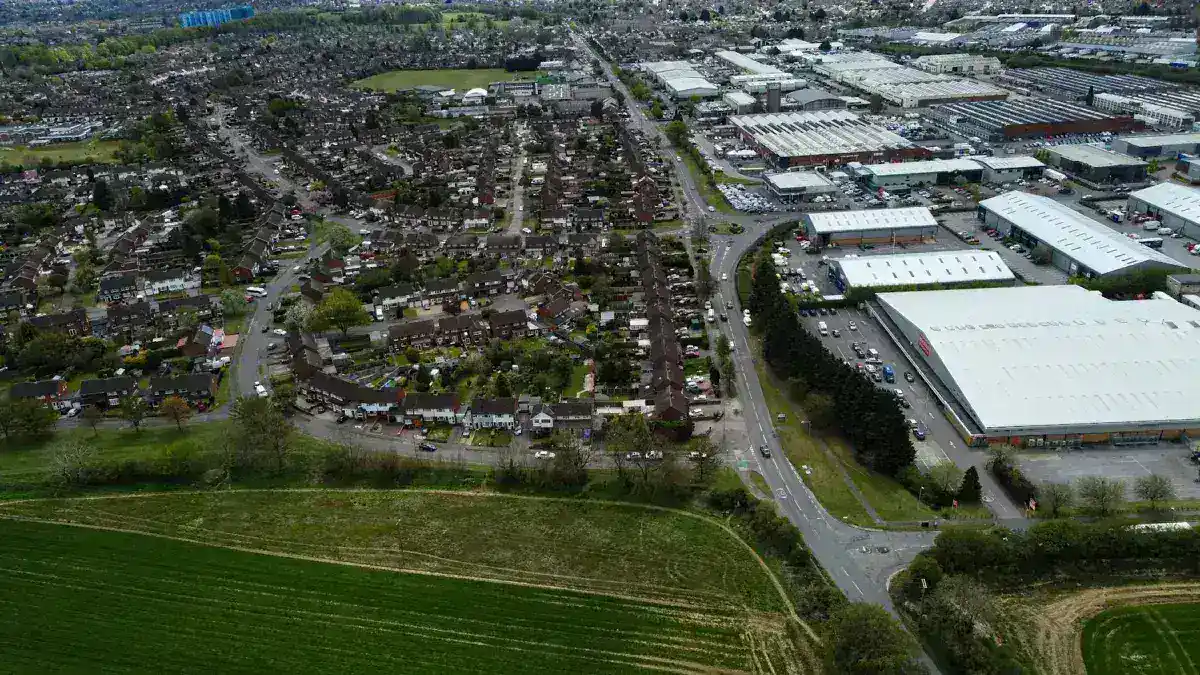
Makerfield has long served as a stronghold for the Labour Party, representing the industrial heritage of the North West. However, the shifting demographics and economic anxieties of the post-Brexit era have fractured traditional voting loyalties, creating a volatile environment where established political machinery no longer guarantees success.
The constituency reflects a broader national trend where voters feel increasingly disconnected from the Westminster establishment. Analysts point to a decline in manufacturing jobs and the rising cost of living as key drivers for the electorate’s willingness to look beyond the two-party system.
The Burnham Ambition
Andy Burnham, often cited as a potential successor to Sir Keir Starmer, views the local success of his regional policies as a blueprint for national governance. By championing localized transport reforms and devolved healthcare funding, he has positioned himself as a pragmatic alternative to the current Labour leadership.
However, critics within the party argue that his focus on regional identity may not translate to a cohesive national platform. To ascend to the premiership, Burnham must demonstrate that he can bridge the divide between urban metropolitan voters and the disillusioned working-class populations of towns like those in Makerfield.
The Reform UK Factor
The rise of Reform UK represents a significant disruption in this political equation. By tapping into frustrations over immigration and economic stagnation, the party has successfully peeled away segments of the Labour vote that once felt taken for granted.
Recent polling data suggests that in areas like Makerfield, the margin for error for traditional parties has narrowed significantly. Political scientists note that Reform UK’s ability to mobilize non-voters and dissatisfied former Labour supporters creates a ‘pincer movement’ that threatens to split the left-leaning vote, potentially handing seats to the opposition.
Industry and Voter Implications
For the residents of Makerfield, the stakes extend far beyond partisan politics. The outcome of this localized contest will likely influence how national parties allocate resources and draft manifestos for the next general election. If the Labour Party fails to address the specific economic grievances of this region, the trend toward populist alternatives is expected to accelerate.
As the political calendar inches toward the next major electoral cycle, observers are keeping a close watch on regional polling within Greater Manchester. The success or failure of Burnham’s strategy in Makerfield will serve as a litmus test for whether a ‘left-leaning, regional-first’ approach can effectively stem the tide of populist encroachment. Future developments will likely hinge on whether national leadership adopts more of Burnham’s localized economic policies or maintains the current centrist trajectory.