







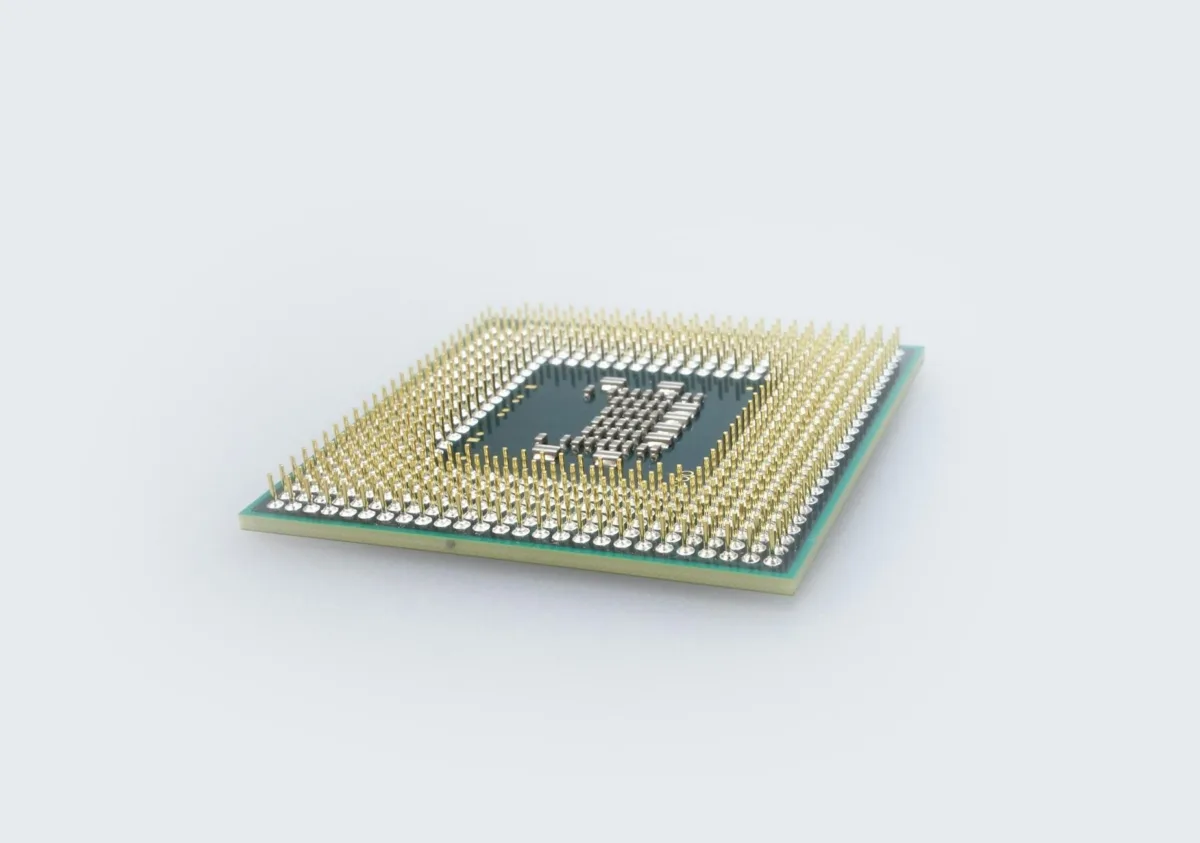
Huawei is set to challenge the global semiconductor status quo this September with the highly anticipated release of the Kirin 9050, the company’s first proprietary chipset designed to surpass the 3GHz clock speed threshold. Expected to debut in the flagship Mate 90 series, this development marks a significant acceleration in Huawei’s domestic chip manufacturing capabilities despite ongoing international trade restrictions.
The Evolution of Kirin Silicon
The Kirin 9050 arrives as the latest iteration in Huawei’s endeavor to reclaim its position as a top-tier smartphone manufacturer. Following the successful deployment of the Kirin 9030S in the Pura 90 series, the new 9050 chip represents a refined architecture focused on high-frequency performance and improved thermal efficiency.
Historically, Huawei has faced significant hurdles in sourcing advanced node process technology. By moving to a 3GHz-plus architecture, the company is signaling that its domestic foundry partners have made substantial progress in overcoming yield and heat management issues associated with advanced silicon manufacturing.
Technical Ambitions and Hardware Integration
Leaked reports suggest the Mate 90 series will leverage the raw power of the Kirin 9050 to support advanced computational photography and complex AI-driven features. Industry insiders indicate that the top-tier Mate 90 Pro Max and Mate 90 RS models will likely feature dual periscope telephoto lenses capable of 10x optical zoom.
The integration of the 9050 chip is expected to optimize these camera systems, allowing for faster image processing and real-time 3D rendering. With the recent rollout of Huawei’s 3D image wallpaper features, the company is clearly positioning its hardware to handle more intensive graphical tasks that were previously reserved for desktop-class processors.
Expert Perspectives on Market Impact
Market analysts suggest that the 3GHz milestone is more than just a marketing metric. It serves as a benchmark for the maturity of the local Chinese semiconductor ecosystem, demonstrating that Huawei can maintain flagship performance levels without relying on traditional Western supply chains.
However, analysts also caution that the real-world performance of the Kirin 9050 will depend heavily on software optimization. While raw clock speed is impressive, the ability of HarmonyOS to manage power consumption under heavy loads will determine if the chip can truly compete with current market leaders like Qualcomm’s Snapdragon 8 series.
Implications for the Industry
For the consumer, the Mate 90 series represents a pivotal test of whether high-performance, domestically produced hardware can provide a seamless user experience. If the Kirin 9050 delivers on its performance claims, it may force a shift in how global manufacturers perceive supply chain resilience.
Looking ahead, industry observers are watching for the specific node process used to manufacture the 9050. Any breakthrough in manufacturing efficiency could signal that Huawei is prepared to scale its production capacity, potentially increasing its market share in the premium smartphone segment throughout late 2024 and into 2025.