







The Indian automotive sector is witnessing a historic surge in demand, with SUV sales projected to reach between 4.5 million and 4.8 million units throughout April 2026. This data, reported by industry analysts at RushLane, highlights a robust shift in consumer preference toward high-clearance utility vehicles across the subcontinent, fueled by a mix of infrastructure development and aggressive model launches from major manufacturers.
The Context of the SUV Boom
Over the past five years, the Indian automotive landscape has undergone a structural transformation. Compact and mid-size SUVs have transitioned from niche luxury items to the dominant segment, accounting for a significant majority of new vehicle registrations.
Economic stability and increased disposable income in Tier-2 and Tier-3 cities have accelerated this trend. Manufacturers have responded by expanding their portfolios to include diverse powertrain options, including hybrids and upcoming electric variants, effectively capturing a broader demographic of buyers.
Key Performers Driving the Market
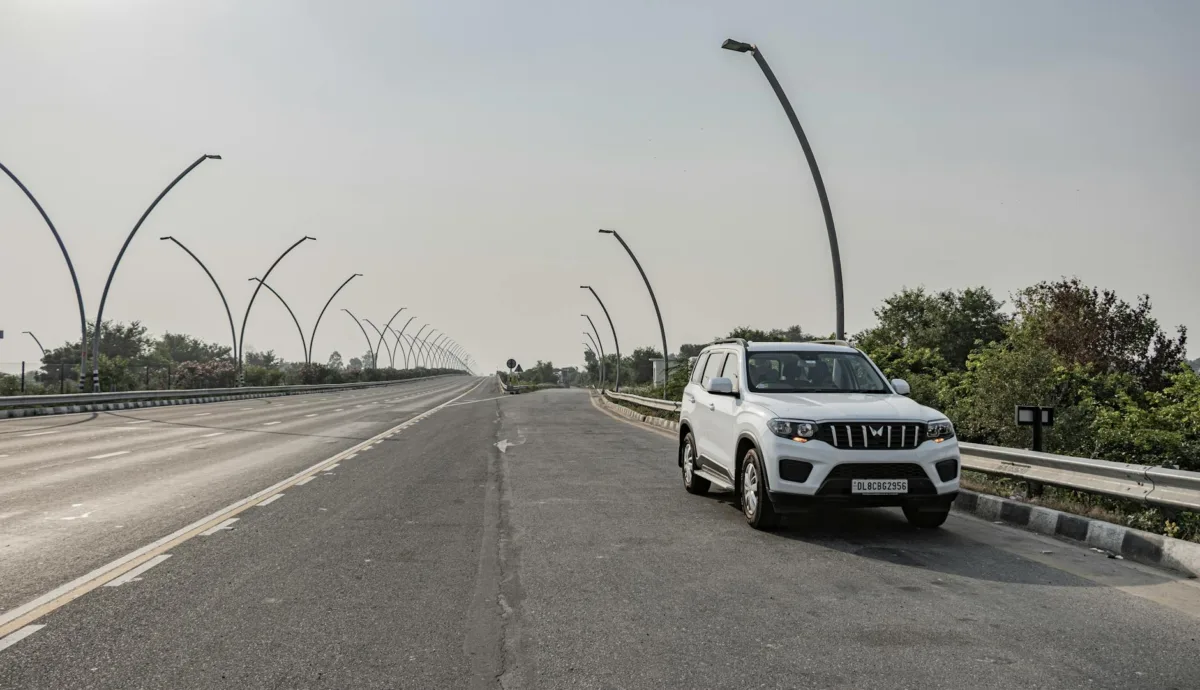
The projected sales figures are anchored by the sustained performance of market leaders, including the Mahindra Scorpio and XUV7XO. These models have become household names, consistently topping monthly sales charts due to their balance of rugged build quality and modern interior technology.
The premium segment is also seeing significant movement, with the Toyota Fortuner maintaining its dominance as the preferred choice for high-end consumers. Meanwhile, the Tata Safari and Harrier continue to secure strong market share through design-led innovations and enhanced safety ratings, which remain a primary concern for the contemporary Indian car buyer.
New entrants and refreshed models, such as the XEV9S and the MG Hector, are contributing to the competitive pressure. By offering advanced driver-assistance systems (ADAS) and connectivity features as standard, these brands are forcing a rapid acceleration in the adoption of smart-vehicle technology across all price points.
Expert Perspectives and Industry Data
Market analysts suggest that the shift toward SUVs is not merely a passing trend but a permanent realignment of the Indian market. Data indicates that buyers are increasingly prioritizing road presence and ground clearance to navigate diverse urban and rural terrain.
According to recent industry trade reports, the average transaction price for new vehicles has trended upward as consumers opt for higher-spec SUV variants. This trend has bolstered the profit margins of major OEMs, allowing them to reinvest heavily in R&D for localized electric vehicle platforms.
Implications for the Industry
The rapid expansion of the SUV segment presents both opportunities and logistical challenges for the automotive supply chain. Manufacturers are currently focusing on streamlining production to meet the high volume of orders, as waiting periods for popular models remain a persistent issue for dealerships.
For the consumer, the proliferation of options is driving aggressive pricing strategies and festive-season discounts. However, the surge also brings increased pressure on urban infrastructure, as larger vehicles necessitate more robust parking and road management solutions.
Looking ahead, the industry will be closely monitoring the integration of EV variants into these popular nameplates. As regulatory pressure on emissions increases, the transition from traditional internal combustion engines to electric or hybrid configurations will define the next phase of the SUV growth cycle. Stakeholders should watch for upcoming government policy announcements regarding vehicle scrappage and EV subsidies, which may further influence the 4.8-million-unit target by the end of the fiscal year.