







The Legal Proceedings Begin
A federal trial officially commenced this week in Los Angeles, placing Ramon Rodriguez Guevara at the center of a courtroom battle regarding his alleged role in sparking the destructive Palisades Fire in 2021. Federal prosecutors are seeking to hold the defendant accountable for the blaze, which scorched over 1,100 acres of rugged terrain in the Pacific Palisades area and triggered widespread evacuations for residents living along the wildland-urban interface.
The trial, presiding in the U.S. District Court, arrives more than three years after the fire first broke out in late October. Prosecutors allege that Guevara intentionally set the fire, a charge that carries significant legal weight given the environmental and economic devastation caused by the incident.
Context of the Palisades Fire
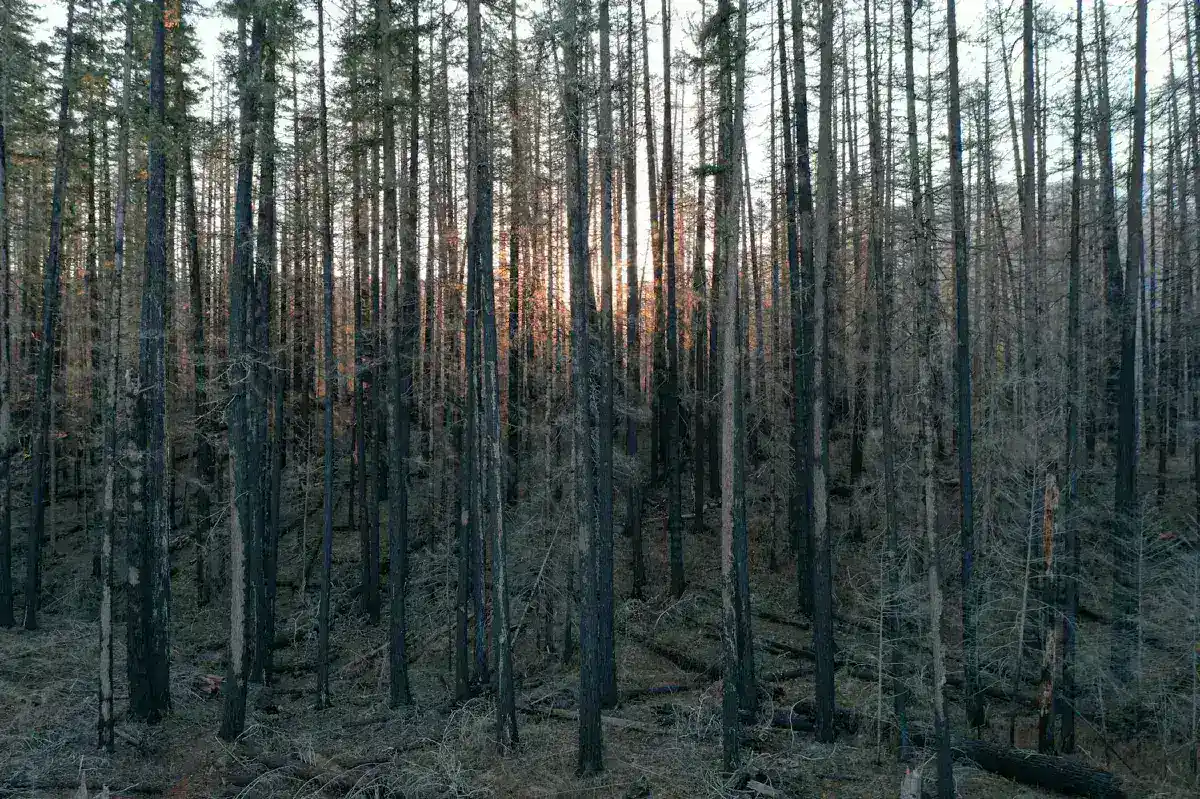
The Palisades Fire began on the evening of October 21, 2021, quickly spreading through steep, inaccessible canyons that are notoriously difficult for firefighting crews to navigate. At its peak, the fire prompted mandatory evacuation orders for hundreds of homes in the Pacific Palisades neighborhood, a wealthy enclave nestled between the Santa Monica Mountains and the Pacific Ocean.
While no fatalities were directly attributed to the flames, the event served as a stark reminder of the extreme vulnerability of Southern California’s coastal communities to wildfires. The region’s unique topography, combined with the presence of dry chaparral and periodic Santa Ana winds, creates a volatile environment where even small ignition points can transform into major catastrophes within hours.
Evidence and Legal Arguments
During opening statements, government attorneys outlined their case by pointing to forensic evidence recovered from the scene. Investigators, including teams from the Los Angeles Fire Department and federal agencies, spent weeks analyzing burn patterns and ignition sources to trace the fire back to its origin point.
The defense, however, is expected to challenge the prosecution’s narrative, focusing on potential gaps in the chain of custody for evidence and questioning the reliability of witness testimony. As the trial progresses, the jury will be tasked with weighing technical analysis against the defense’s arguments regarding the defendant’s whereabouts and intent.
Data from the California Department of Forestry and Fire Protection (CAL FIRE) indicates that human activity remains the primary cause of wildfires in the state. According to recent reports, over 90% of wildfires in California are sparked by human behavior, ranging from accidental sparks from equipment to intentional acts of arson.
Broader Implications for Fire Safety
This trial underscores a growing trend in how the justice system approaches environmental crimes. As wildfires become more frequent and severe due to climate change and prolonged drought conditions, authorities are increasingly aggressive in prosecuting those accused of starting fires, whether through negligence or malice.
For residents, the outcome of this case may have little immediate impact on their daily lives, but it highlights the ongoing struggle to protect high-risk zones. Local officials are watching the proceedings closely, as successful convictions can serve as both a deterrent and a validation of the investigative resources poured into wildfire prevention and arson task forces.
Looking ahead, the legal community will monitor whether the verdict sets a precedent for how federal courts handle wildfire-related litigation. Experts suggest that the focus will likely shift toward improved surveillance technology in fire-prone areas and stricter enforcement of fire prevention ordinances. As the dry season approaches, the trial serves as a sobering reminder of the fragile balance between human activity and the preservation of California’s vulnerable landscape.