




Shifting Diplomatic Winds in Europe
European leaders, including representatives from the United Kingdom, France, and Germany, have signaled a newfound willingness to support potential ceasefire negotiations between Ukraine and Russia this week. The diplomatic pivot follows a series of high-level meetings in London and Windsor, where Ukrainian President Volodymyr Zelenskyy engaged with key Western allies to discuss the future of the ongoing conflict.
The Context of Escalating Tensions
The conflict in Ukraine, now in its third year, has seen a recent uptick in direct fire exchanges between Russian and Ukrainian forces. Despite the intensified military activity on the front lines, the international community has faced mounting pressure to find a pathway toward a de-escalation strategy. Zelenskyy’s recent tour of European capitals served as a platform to align Western military support with long-term diplomatic objectives.
A Dual-Track Approach to Peace
While European leaders are opening the door to ceasefire talks, they continue to facilitate the delivery of advanced weaponry to Kyiv. This dual-track approach reflects a complex strategy: strengthening Ukraine’s defensive capabilities to improve its leverage at a future negotiating table while simultaneously exploring diplomatic channels. Analysts suggest this strategy aims to prevent a total collapse of the Ukrainian front while signaling to Moscow that Western support for Kyiv remains resolute.
The Kremlin’s Stance and Expert Analysis
The Kremlin has characterized the recent Western diplomatic maneuvers as contradictory. Russian officials have pointedly noted that while leaders like Emmanuel Macron, Friedrich Merz, and Keir Starmer discuss peace, their governments continue to provide the military hardware necessary for Ukraine to sustain its resistance. Security analysts suggest that this rhetoric from Moscow underscores the significant gap between the two sides regarding the terms of a potential ceasefire.
Industry and Global Implications
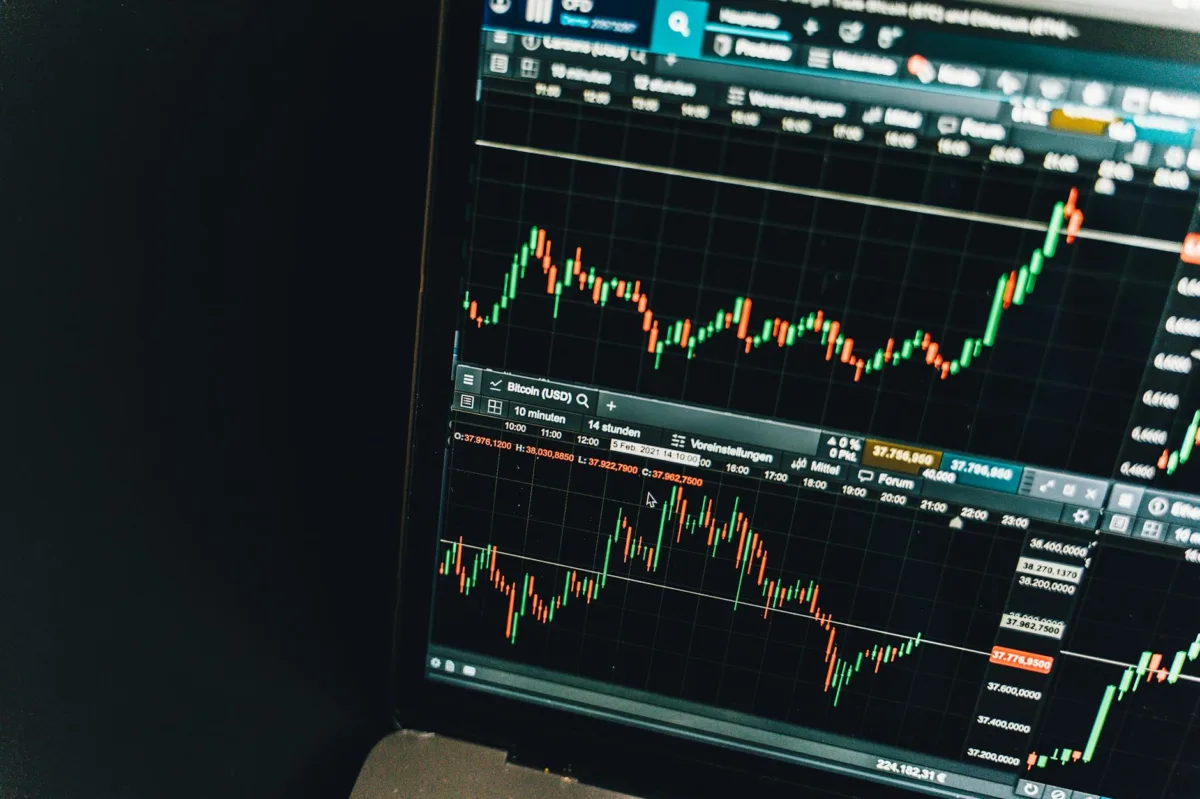
For the global community, this shift suggests that European policy is moving away from a purely military-focused victory condition toward a more pragmatic, albeit difficult, search for a diplomatic off-ramp. Industries ranging from energy to international logistics remain sensitive to these developments, as any movement toward a ceasefire could alter global commodity pricing and supply chain stability. The focus now turns to whether these preliminary discussions can evolve into formal, structured negotiations.
Looking Ahead
Observers will be watching for any concrete proposals that emerge from the upcoming G7 and EU summits, which are expected to address the conditions under which a ceasefire could be monitored. The immediate future hinges on whether the current diplomatic signaling can withstand the ongoing military volatility on the ground, or if the conflict will remain locked in a cycle of attrition despite the calls for dialogue.