







Strategic Expansion in the Asian AI Market
Nvidia has officially entered into a series of high-stakes partnerships with South Korean technology conglomerates this week to construct large-scale artificial intelligence infrastructure across Asia. By integrating its advanced graphics processing units (GPUs) with the manufacturing and software expertise of Korean firms, the Santa Clara-based chipmaker aims to fortify its dominant position in the global data-center market.
This initiative responds to the surging demand for sovereign AI capabilities and localized data processing power in the region. The move marks a significant shift in Nvidia’s hardware-centric business model toward a more holistic ecosystem approach.
The Context of Global AI Infrastructure
The race to build AI infrastructure has become a primary geopolitical and industrial objective, with semiconductor dominance serving as the cornerstone. South Korea, home to world-leading memory chip manufacturers like Samsung and SK Hynix, offers a critical supply chain advantage for Nvidia’s compute-heavy requirements.
Previously, Nvidia relied heavily on centralized production and distribution. Recent global supply chain disruptions and the rising need for regionalized AI clouds have necessitated a more distributed infrastructure strategy, prompting this collaborative pivot.
Technical Synergies and Market Integration
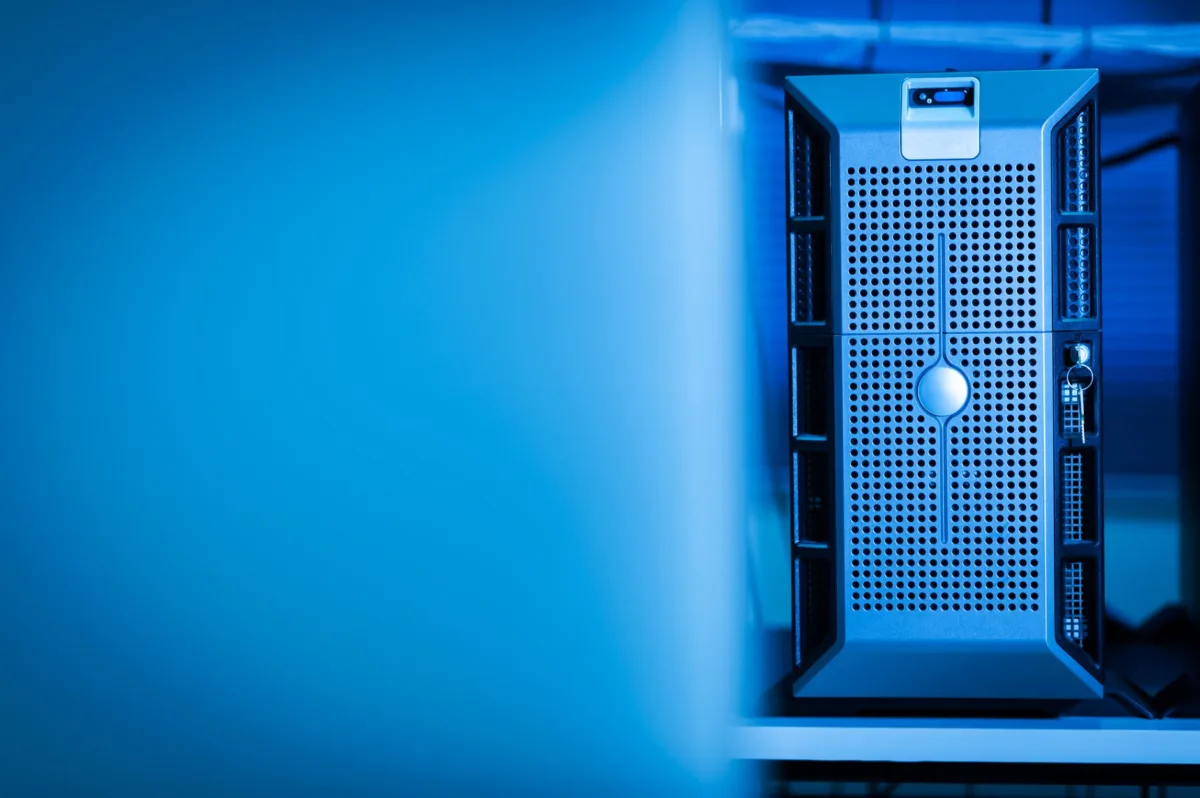
The collaboration focuses on integrating Nvidia’s H100 and Blackwell architecture with domestic Korean server hardware and specialized memory solutions. This integration is designed to optimize energy efficiency and processing speeds for large language models (LLMs) deployed by regional enterprises.
Industry analysts point out that South Korean firms are eager to move up the value chain from mere component suppliers to full-stack AI platform providers. By partnering with Nvidia, these companies gain access to the CUDA software ecosystem, which remains the industry standard for AI development.
Expert Perspectives and Industry Data
Data from the International Data Corporation (IDC) suggests that spending on AI-centric systems in the Asia-Pacific region is projected to grow at a compound annual growth rate of over 25% through 2027. Experts note that this infrastructure buildout is essential for meeting the computational load of next-generation generative AI.
“The partnership represents a symbiotic relationship where Nvidia secures the hardware volume it needs, while Korean firms embed themselves into the core of the global AI supply chain,” says industry consultant Marc Henderson. This alignment helps mitigate risks associated with geopolitical trade tensions by diversifying the geographic footprint of AI training facilities.
Future Implications for the Tech Landscape
These alliances will likely accelerate the deployment of autonomous AI services across South Korean industries, ranging from automotive manufacturing to healthcare diagnostics. The broader implication for the industry is a shift toward hyper-localized AI clusters that operate with lower latency and higher data sovereignty.
Market participants should watch for upcoming announcements regarding the specifics of joint venture data centers and potential co-branded AI hardware releases. As these projects move from the planning phase to physical construction, the focus will shift toward the energy consumption challenges posed by such massive compute clusters and how these firms plan to integrate renewable power sources into their Asian infrastructure hubs.