









A New Wave of Protest Emerges
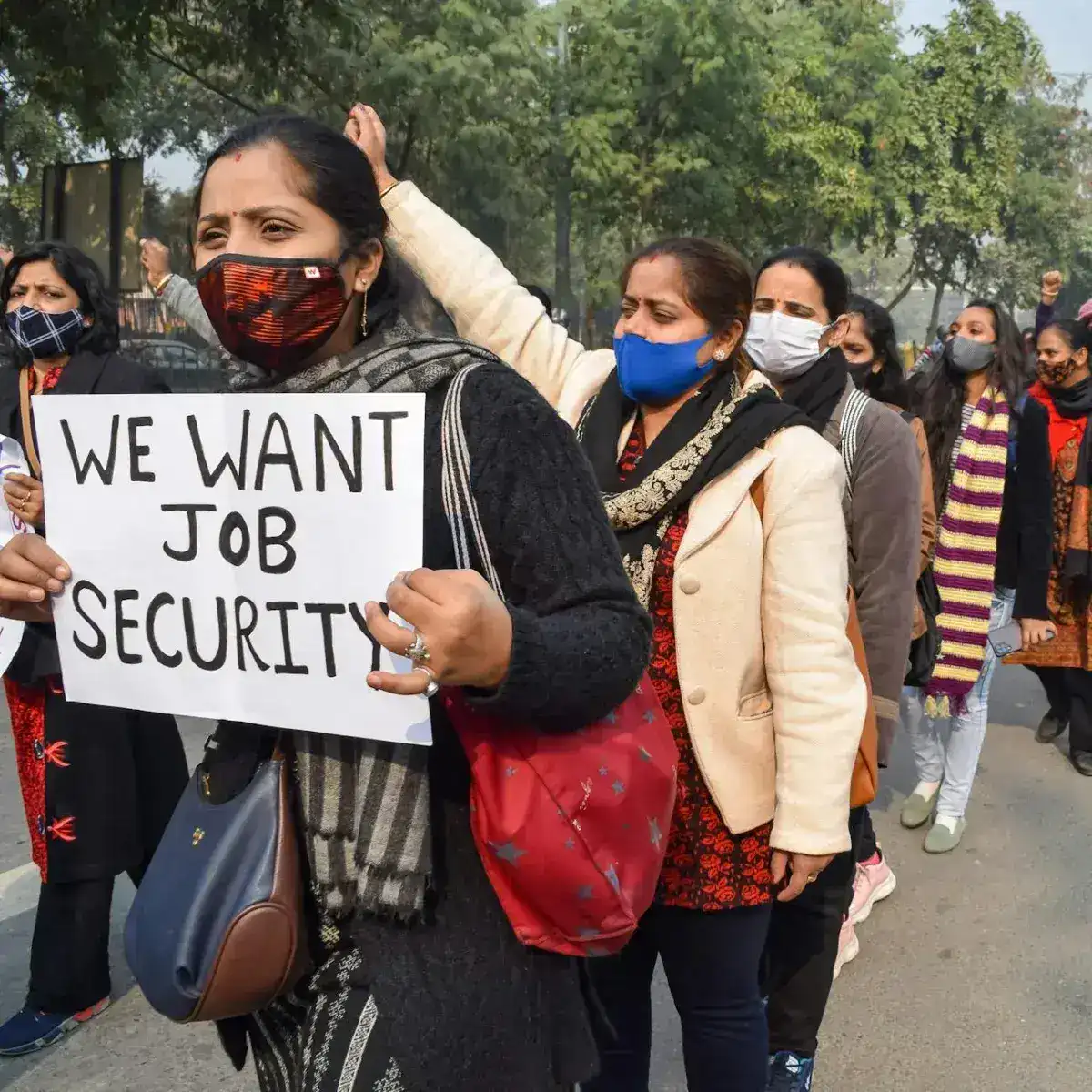
In a striking display of digital-era mobilization, students and young activists across India have coalesced under the banner of the ‘Cockroach Janta Party’ (CJP), culminating in a high-profile protest at Jantar Mantar this week. The movement, which gained momentum through viral social media campaigns and satirical memes, highlights growing frustration among India’s youth regarding the country’s examination systems and administrative accountability. Local authorities confirmed that the demonstration concluded with the detention of six activists, marking a volatile intersection between internet culture and traditional street-level advocacy.
The Evolution of Digital Dissent
The term ‘Cockroach Janta Party’ originated as an ironic response to political rhetoric, symbolizing the resilience and omnipresence of the common citizen. What began as a series of memes targeting bureaucratic apathy quickly transitioned into a tangible political movement. Observers note that this shift mirrors global trends where digital platforms act as the primary catalyst for organizing real-world political action.
Challenging the Status Quo
At the heart of the CJP movement is a critique of India’s competitive examination system. Activists argue that systemic inefficiencies, paper leaks, and delayed recruitment processes are stifling the aspirations of millions. By adopting the ‘cockroach’ moniker, protesters claim they are reclaiming a narrative of persistence, suggesting that like the insect, their demands cannot be easily eradicated or ignored by the political establishment.
Expert Insights on Youth Engagement
Sociologists observing the trend suggest that the CJP represents a significant shift in how India’s youth engage with democracy. Unlike traditional student unions, which are often affiliated with established political parties, this movement operates horizontally and relies heavily on decentralized leadership. Data from recent social media engagement studies indicate that youth-led movements are increasingly prioritizing transparency and meritocracy over traditional ideological divides.
The Impact of Symbolic Protest
The use of satire as a political tool serves a dual purpose: it lowers the barrier for entry for first-time protesters and creates a powerful, shareable aesthetic that traditional political discourse often lacks. However, this strategy faces challenges, as authorities struggle to categorize the movement within the framework of conventional political opposition. The detention of protesters at Jantar Mantar underscores the tension between the state’s desire for public order and the right to unconventional, expressive assembly.
Looking Ahead
As the movement gains traction, the primary question remains whether the Cockroach Janta Party can transition from a protest-based identity to a sustainable platform for policy reform. Observers should watch for potential expansion of the CJP’s demands beyond examination reform, as well as the government’s response to the growing pressure to institutionalize changes in the civil service and recruitment sectors. The trajectory of this movement will likely serve as a litmus test for the effectiveness of digital-first grassroots activism in India’s shifting political landscape.