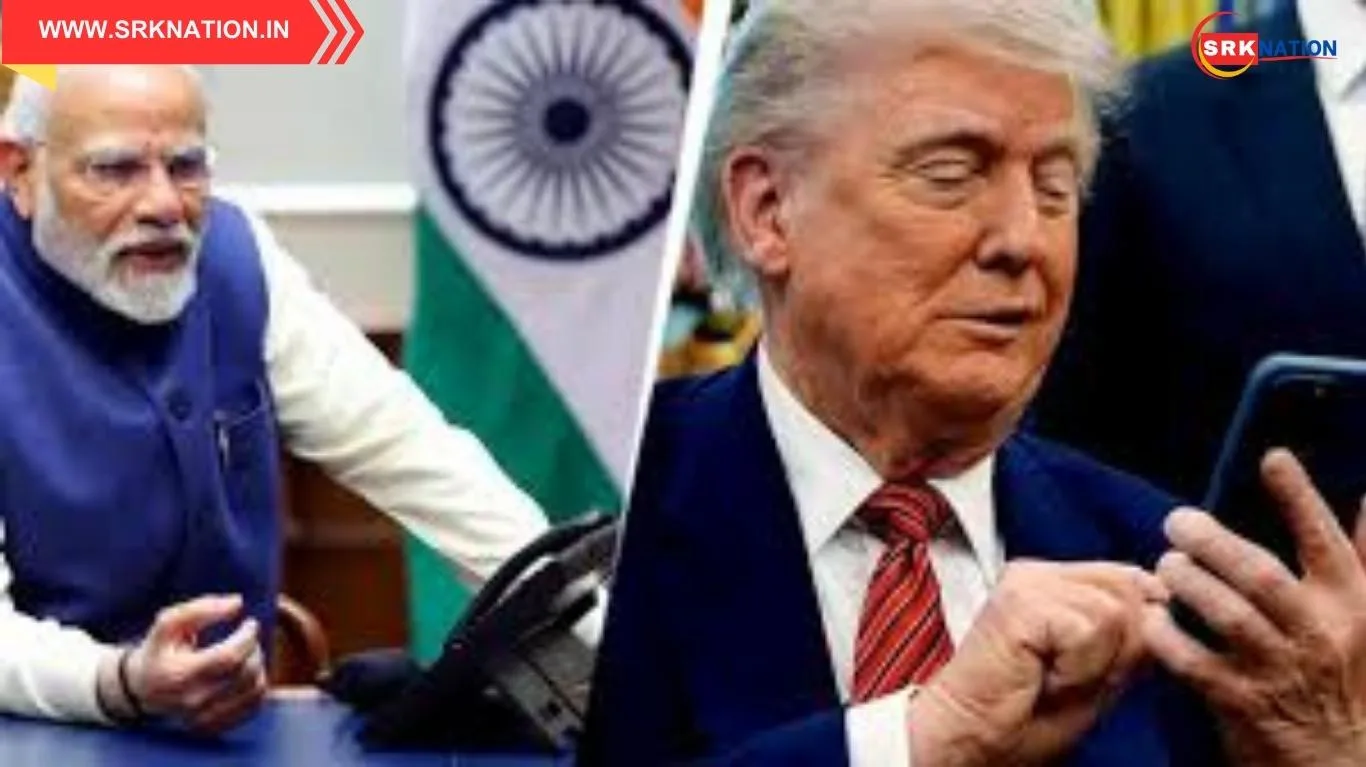






The European Union has strongly responded to recent remarks by US President Donald Trump, who threatened to impose 100% tariffs on European goods in connection with disputes over Greenland. The EU chief reiterated that “a deal is a deal,” emphasizing that agreements must be respected and warning that punitive trade measures would be a “mistake” with far-reaching consequences for global commerce and diplomatic relations.
Background of the Tariff Threat
- President Trump’s comments about imposing 100% tariffs came amid renewed tensions over Greenland, a territory strategically important in the Arctic.
- The US has long expressed interest in Greenland’s resources and geopolitical position, while the EU has maintained that agreements regarding trade and territorial matters must be honored.
- The EU chief’s pushback reflects growing unease about unilateral trade actions that could destabilize global markets.
- The dispute underscores the fragile balance between economic interests, geopolitical ambitions, and international agreements.
Key Highlights
| Indicator | Details |
|---|---|
| Issue | US threat of 100% tariffs over Greenland |
| EU Response | “A deal is a deal”; punitive measures are a “mistake” |
| Broader Impact | Potential disruption of EU-US trade relations |
| Strategic Context | Greenland’s resources and Arctic geopolitics |
| Public Sentiment | Concern over trade wars and economic fallout |
US Tariff Threats vs EU Response
| Factor | US Position | EU Position | Implication |
|---|---|---|---|
| Tariffs | Threat of 100% duties | Opposition, calls it a mistake | Risk of trade war |
| Agreements | Questioning existing deals | “A deal is a deal” | Emphasis on rule of law |
| Geopolitical Context | Focus on Greenland’s strategic value | Respect for territorial agreements | Diplomatic tension |
| Economic Impact | Pressure on EU exports | Warning of global disruption | Market volatility |
| Public Messaging | Assertive, unilateral | Defensive, cooperative | Contrasting narratives |
Why This Story Matters
- Global Trade Stability: Tariffs of 100% would severely disrupt EU-US trade flows.
- Diplomatic Relations: Highlights growing strain between two major allies.
- Geopolitical Stakes: Greenland’s strategic importance adds complexity to the dispute.
- Economic Impact: Potential consequences for industries, jobs, and consumers.
- Public Confidence: Raises concerns about the predictability of international agreements.
EU Chief’s Statement
- The EU chief emphasized that agreements must be respected, stating: “A deal is a deal.”
- He warned that punitive tariffs would be a “mistake,” undermining trust and cooperation.
- The EU reiterated its commitment to dialogue and diplomacy rather than confrontation.
- The statement reflects the EU’s broader strategy of defending multilateralism and international law.
Trump’s Position
- President Trump has repeatedly criticized trade agreements he views as unfavorable to the US.
- His threat of 100% tariffs is consistent with his broader protectionist stance.
- The Greenland issue adds a geopolitical dimension, with the US seeking greater influence in the Arctic.
- Trump’s remarks highlight his willingness to use tariffs as leverage in negotiations.
Expert Opinions
- Economists: Warn that 100% tariffs would trigger inflation and disrupt supply chains.
- Diplomats: Stress the importance of respecting agreements to maintain trust.
- Trade Analysts: Note that unilateral measures risk escalating into full-scale trade wars.
- Public Sentiment: Divided, with some supporting assertive US policies and others fearing economic fallout.
Challenges Ahead
- Trade War Risk: Escalation could harm both EU and US economies.
- Diplomatic Strain: Tensions over Greenland may spill into broader relations.
- Market Volatility: Investors face uncertainty amid tariff threats.
- Global Impact: Other nations may be drawn into disputes, affecting multilateral trade.
- Public Confidence: Erosion of trust in international agreements.
Opportunities for Resolution
- Diplomatic Dialogue: Renewed negotiations to resolve disputes.
- Multilateral Forums: Use of WTO and international bodies to mediate.
- Economic Cooperation: Joint initiatives in Arctic development.
- Strategic Partnerships: Strengthening EU-US ties in defense and energy.
- Public Engagement: Transparent communication to reassure citizens.
Broader Context of Greenland Dispute
- Greenland’s resources, including rare minerals and energy reserves, make it strategically valuable.
- The Arctic region is increasingly contested by global powers.
- The EU emphasizes respect for territorial agreements, while the US seeks greater influence.
- The dispute reflects broader tensions between protectionism and multilateralism.
Sectoral Breakdown of Impact
| Sector | Impact | Strategic Importance |
|---|---|---|
| Trade | Risk of tariffs | Disrupts EU-US commerce |
| Diplomacy | Strained relations | Weakens alliances |
| Energy & Resources | Greenland’s value | Adds geopolitical stakes |
| Markets | Volatility | Affects global investors |
| Public Confidence | Uncertainty | Undermines trust in agreements |
Media Coverage
- Headlines focused on Trump’s threat of 100% tariffs.
- Analysts debated the implications for EU-US relations.
- Coverage highlighted Greenland’s strategic importance.
- The EU chief’s statement dominated discussions in diplomatic and economic circles.
Conclusion
The EU’s firm response to Trump’s threat of 100% tariffs over Greenland underscores the importance of respecting international agreements. By declaring “a deal is a deal” and warning that punitive measures would be a “mistake,” the EU has positioned itself as a defender of multilateralism and stability. While the dispute reflects deeper geopolitical tensions, opportunities remain for dialogue and cooperation. The outcome will shape not only EU-US relations but also the future of global trade and diplomacy.
Disclaimer
This article is intended for informational purposes only and does not constitute financial, political, or diplomatic advice. Statements, policies, and international relations are subject to change based on evolving circumstances. Readers are encouraged to follow official updates for accurate information. The author and publisher are not responsible for any decisions made based on this article.