
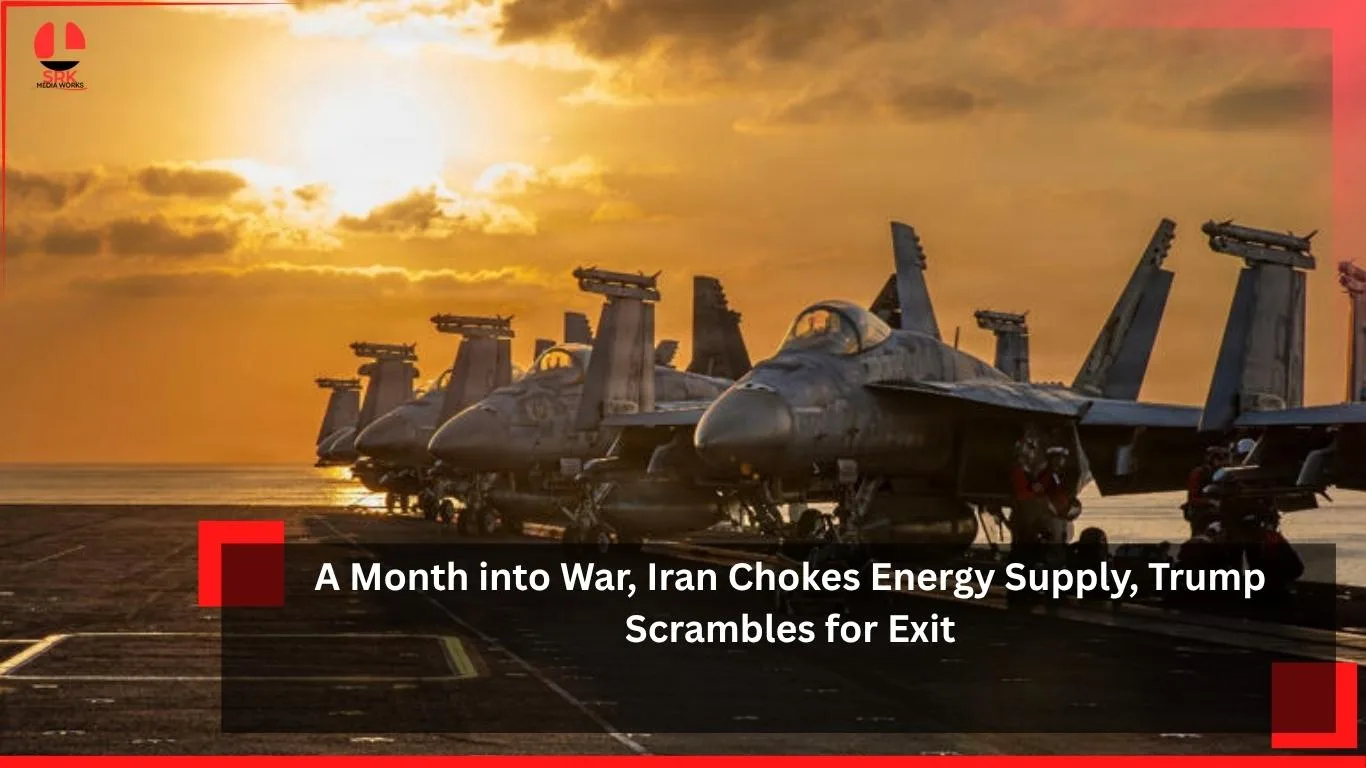
One month into the escalating conflict, Iran has tightened its grip on global energy supplies by leveraging its control over the Strait of Hormuz, while President Donald Trump scrambles to find a viable exit strategy. The confrontation has triggered widespread economic disruption, heightened military tensions, and raised fears of a prolonged crisis that could reshape global geopolitics.
Iran’s Energy Strategy
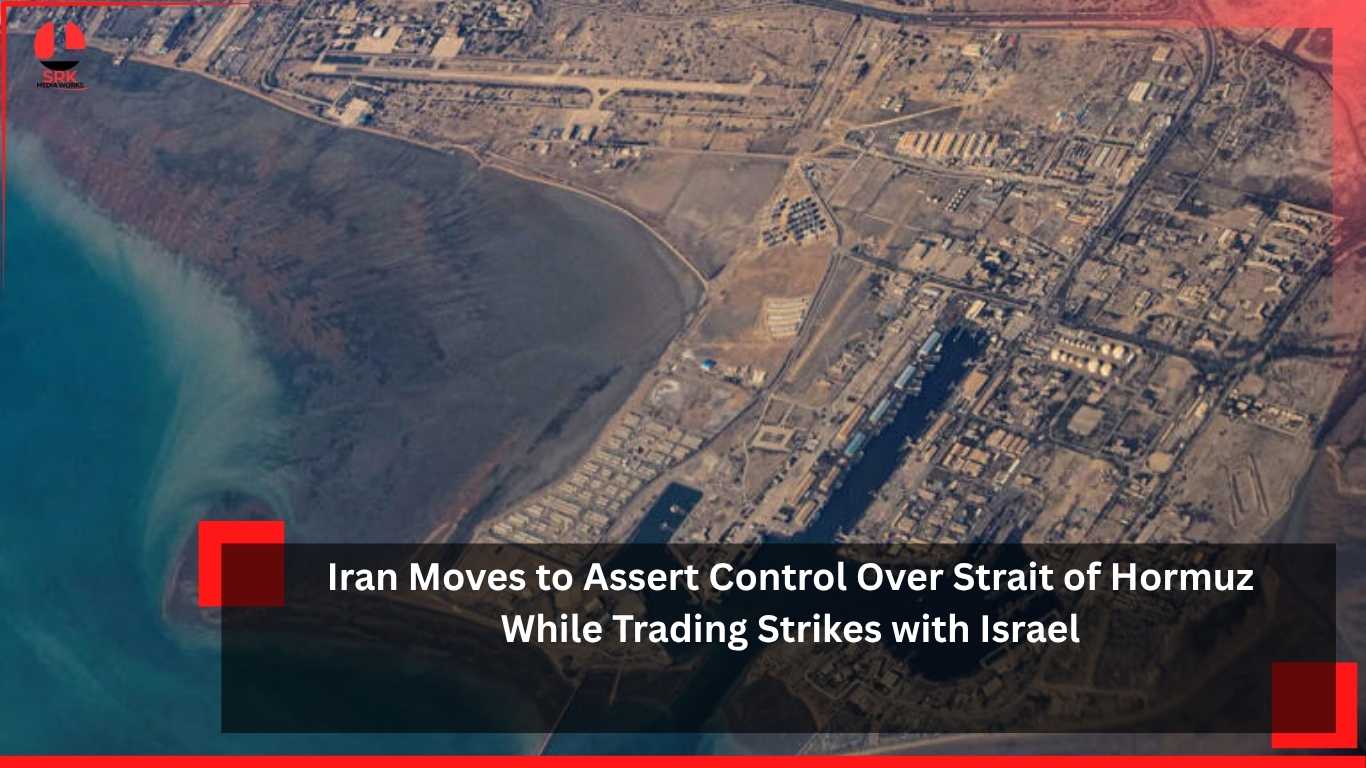
Iran has long recognized the strategic importance of the Strait of Hormuz, through which nearly 20% of the world’s oil passes. By choking energy supplies, Tehran is exerting pressure not only on the United States but also on global markets that depend heavily on Middle Eastern oil.
Key Actions by Iran:
- Restricting oil tanker movement through the strait.
- Deploying naval forces and missile batteries to deter intervention.
- Leveraging proxy groups to expand regional influence.
- Using energy disruption as a bargaining chip in diplomatic negotiations.
Trump’s Dilemma
President Trump faces mounting pressure as the war drags on. His administration’s initial hardline stance against Iran has now given way to concerns about economic fallout and political consequences. Scrambling for an exit, Trump is reportedly exploring diplomatic backchannels, coalition-building, and potential ceasefire arrangements.
| Trump’s Challenge | Impact |
|---|---|
| Rising oil prices | Domestic economic strain |
| Military escalation | Risk of wider regional war |
| Diplomatic isolation | Strained relations with allies |
| Political fallout | Pressure from Congress and public opinion |
Pivot Analysis: Stakeholder Narratives
| Stakeholder | Narrative | Implication |
|---|---|---|
| Iran | Resistance, control of energy | Global leverage through oil |
| U.S. | Seeking exit, avoiding escalation | Risk of credibility loss |
| Israel | Security concerns, strikes on Iran | Heightened regional instability |
| Gulf States | Protecting oil infrastructure | Vulnerability to disruption |
| Global Markets | Energy crisis fears | Volatile oil prices, economic slowdown |
Global Energy Market Impact
The chokehold on energy supplies has already sent shockwaves through international markets. Oil prices have surged, inflationary pressures are mounting, and economies dependent on imports are facing severe challenges.
| Scenario | Oil Price Impact | Global Response |
|---|---|---|
| Limited disruption | Moderate increase | Strategic reserves tapped |
| Major blockade | Sharp spike | Push for renewable adoption |
| Prolonged conflict | Severe disruption | Global recession risk |
Historical Parallels
The current crisis echoes the “Tanker War” of the 1980s, when oil shipments were targeted during the Iran-Iraq conflict. However, today’s confrontation is more complex, involving Israel, Gulf allies, and global powers like China and Russia, making the stakes far higher.
Diplomatic Reactions
- United States: Exploring backchannel diplomacy while maintaining military readiness.
- European Union: Urging restraint and calling for negotiations.
- China & India: Concerned about energy security, pressing for de-escalation.
- Gulf States: Heightened military alert to safeguard oil infrastructure.
Military Risks
The risk of miscalculation remains high. Iran’s asymmetric warfare capabilities—drones, naval mines, and missile systems—pose significant threats to U.S. and allied forces. Israel’s involvement further complicates the situation, raising the possibility of a wider regional war.
Public Reaction
Global public opinion reflects growing anxiety. Rising fuel costs, inflation, and fears of economic slowdown are fueling calls for diplomatic resolution. Social media debates highlight frustration over prolonged conflict and skepticism about leadership strategies.
Conclusion
One month into the war, Iran’s chokehold on energy supplies has placed the world on edge. Trump’s scramble for an exit underscores the difficulty of balancing military pressure with economic realities. As tensions mount, the path forward remains uncertain, with global stability hanging in the balance.
Disclaimer
This article is intended for informational and analytical purposes only. It does not represent the official stance of any government, institution, or individual mentioned. The content is based on geopolitical analysis, historical parallels, and public reports. Readers are encouraged to explore multiple perspectives for a comprehensive understanding of the issue.