



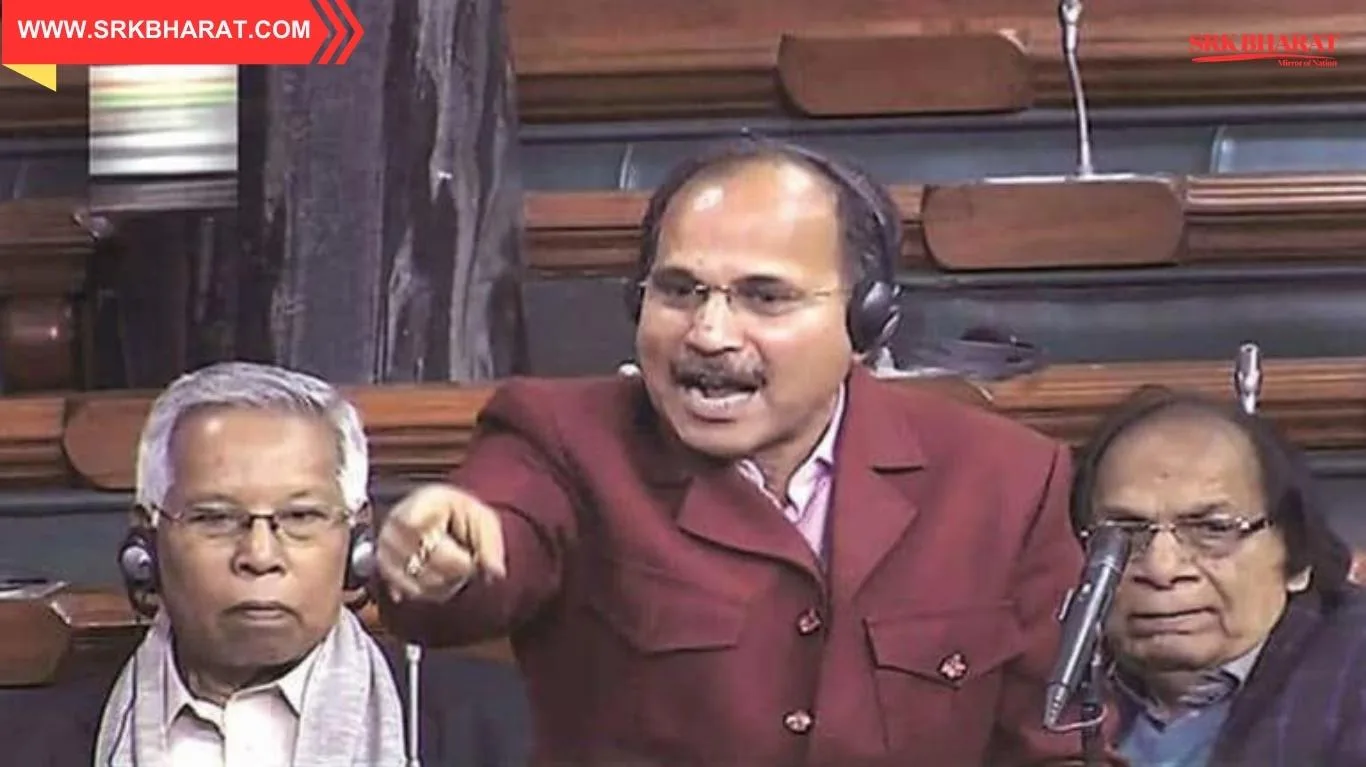
The political landscape of West Bengal has once again been shaken by fiery remarks from Adhir Ranjan Chowdhury, senior Congress leader and former Lok Sabha MP, who has accused Mamata Banerjee and her party’s association with Indian Political Action Committee (I-PAC) of sabotaging elections in the state. Chowdhury alleged that I-PAC deliberately engineered communal riots to manipulate voter sentiments, thereby undermining the democratic process. His statement has sparked a fresh wave of controversy, intensifying the already volatile political atmosphere in Bengal.
Background of the Controversy
- I-PAC, founded by political strategist Prashant Kishor, has been instrumental in designing campaigns for several parties, including the Trinamool Congress (TMC).
- Adhir Ranjan Chowdhury has long been a vocal critic of Mamata Banerjee and her governance style.
- His latest claim suggests that I-PAC’s strategies went beyond electoral campaigning and allegedly involved orchestrating communal tensions to sway votes.
- The remarks come at a time when Bengal politics is deeply polarized, with Congress, BJP, and TMC locked in fierce competition.
Key Highlights of Adhir Ranjan’s Allegations
| Indicator | Details |
|---|---|
| Leader Involved | Adhir Ranjan Chowdhury |
| Target | Mamata Banerjee and I-PAC |
| Allegation | I-PAC engineered communal riots to sabotage elections |
| Political Context | West Bengal assembly and parliamentary elections |
| Broader Impact | Intensifies debate on democracy, governance, and political ethics |
Allegations vs Political Impact
| Factor | Allegation by Adhir Ranjan | Impact on Mamata Banerjee & TMC | Broader Implication |
|---|---|---|---|
| Election Strategy | I-PAC manipulated voter sentiments | TMC accused of unethical practices | Raises questions on campaign ethics |
| Communal Tensions | Riots allegedly engineered | TMC faces criticism | Fuels polarization in Bengal politics |
| Governance Narrative | Mamata accused of complicity | Defensive stance required | Weakens trust in institutions |
| Opposition Strategy | Congress positions itself as watchdog | Gains visibility in Bengal | Strengthens opposition unity |
| Public Sentiment | Outrage over alleged sabotage | Mixed reactions | Deepens political divide |
Why This Story Matters
- Democracy Debate: Allegations of engineered riots strike at the heart of democratic integrity.
- Electoral Ethics: Raises questions about the role of political consultancies in shaping elections.
- Opposition Strategy: Congress seeks to reclaim relevance in Bengal politics by targeting Mamata.
- Public Trust: Citizens are concerned about manipulation of communal sentiments for votes.
- Future Outlook: Could reshape alliances and strategies ahead of upcoming elections.
Adhir Ranjan’s Core Arguments
- I-PAC’s Role: He accused I-PAC of crossing ethical boundaries by allegedly orchestrating communal disturbances.
- Mamata’s Complicity: Suggested that Mamata Banerjee allowed or ignored such tactics to secure electoral advantage.
- Democratic Integrity: Warned that such practices undermine the very foundation of democracy.
- Congress as Watchdog: Positioned his party as the guardian of democratic values in Bengal.
- Call for Accountability: Demanded transparency and investigation into I-PAC’s activities.
Impact on Mamata Banerjee and TMC
- The allegations put Mamata Banerjee on the defensive, forcing her party to counter accusations of unethical practices.
- TMC leaders dismissed the claims as baseless, accusing Adhir Ranjan of political opportunism.
- The controversy may affect TMC’s image among voters who value communal harmony.
- Mamata’s leadership style and reliance on I-PAC’s strategies are now under greater scrutiny.
Public Sentiment
- Supporters of Congress praised Adhir Ranjan for exposing alleged manipulation.
- TMC loyalists dismissed the allegations, calling them politically motivated.
- Neutral observers expressed concern about the possibility of communal tensions being exploited for electoral gain.
- Social media debates reflected polarized opinions, with hashtags trending around I-PAC, Mamata, and Adhir Ranjan.
Expert Opinions
- Political Analysts: Stress that allegations of engineered riots, if true, represent a dangerous precedent.
- Sociologists: Highlight the impact of communal polarization on social fabric.
- Legal Experts: Debate whether such claims warrant formal investigation.
- Economists: Note that political instability affects investment and governance in Bengal.
Challenges Ahead
- Proving Allegations: Adhir Ranjan must substantiate claims with evidence.
- Maintaining Opposition Unity: Congress must align with other parties to strengthen its position.
- Countering TMC Narrative: TMC will seek to dismiss allegations and maintain voter trust.
- Managing Public Sentiment: Ensuring communal harmony amid heightened tensions.
- Electoral Strategy: Balancing criticism with constructive alternatives for governance.
Opportunities for Congress
- Reclaim Political Space: Use the controversy to regain relevance in Bengal politics.
- Champion Democracy: Position itself as a defender of democratic values.
- Build Alliances: Collaborate with other opposition parties for collective strength.
- Engage Citizens: Mobilize support through grassroots campaigns.
- Shape Electoral Narrative: Use allegations to energize campaigns and challenge TMC dominance.
Broader Context of Bengal Politics
- West Bengal has long been a politically volatile state, with deep-rooted rivalries among Congress, TMC, and BJP.
- Communal tensions have historically influenced electoral outcomes.
- The role of political consultancies like I-PAC has grown, raising questions about their influence on democracy.
- Adhir Ranjan’s allegations reflect broader concerns about ethics and governance in Indian politics.
Media Coverage
- Headlines emphasized Adhir Ranjan’s fiery attack on Mamata and I-PAC.
- Analysts debated the credibility of the allegations and their impact on Bengal politics.
- Coverage highlighted the role of I-PAC in shaping TMC’s electoral strategies.
- The story continues to dominate discussions in political and media circles.
Conclusion
The statement by Adhir Ranjan Chowdhury accusing Mamata Banerjee and I-PAC of sabotaging elections by engineering communal riots in West Bengal has reignited debates about democracy, ethics, and governance. While Congress positions itself as a watchdog, TMC dismisses the allegations as baseless. The controversy underscores the fragility of democratic processes when communal sentiments are allegedly manipulated for electoral gain. As Bengal gears up for future elections, the incident may shape political narratives, alliances, and public trust in institutions.
Disclaimer
This article is intended for informational purposes only and does not constitute political endorsement or criticism. Political statements, party strategies, and public sentiments are subject to change based on evolving circumstances. Readers are encouraged to follow official updates for accurate information. The author and publisher are not responsible for any decisions made based on this article.