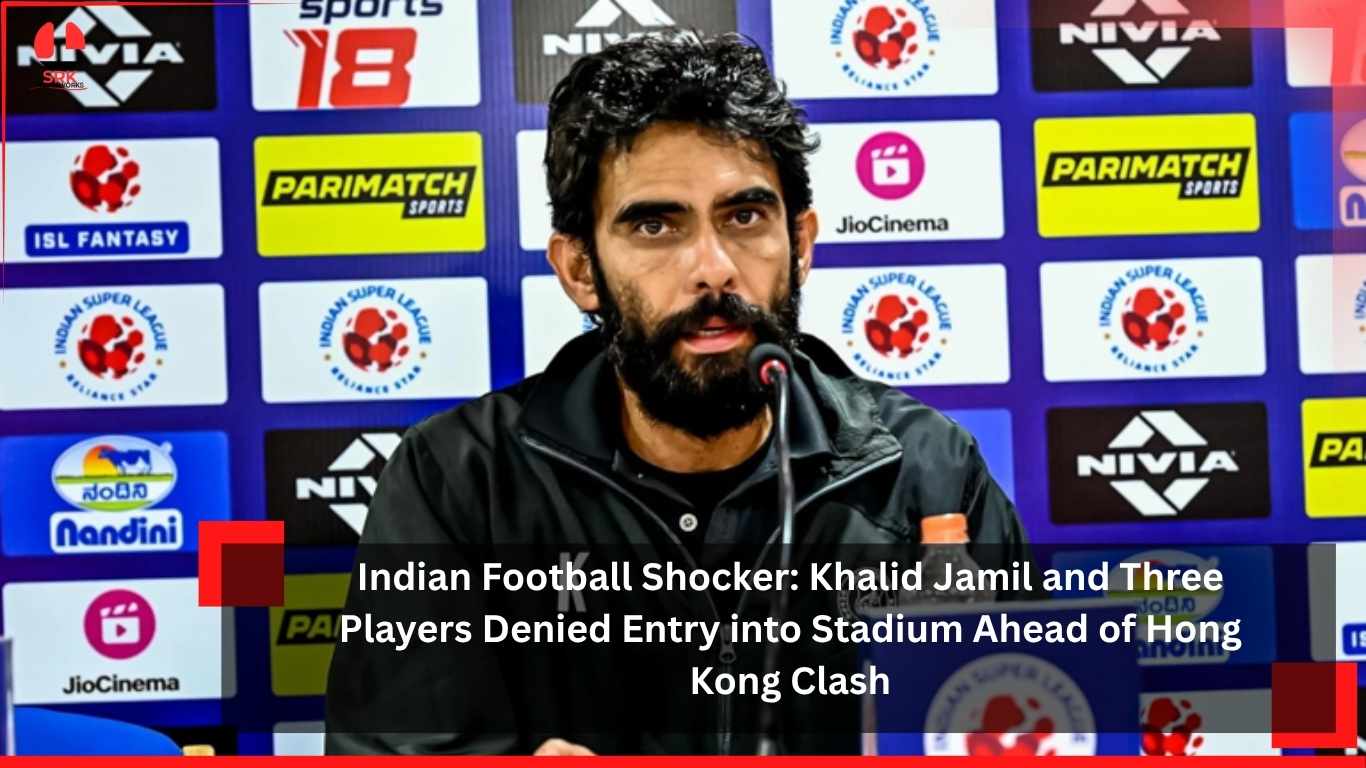





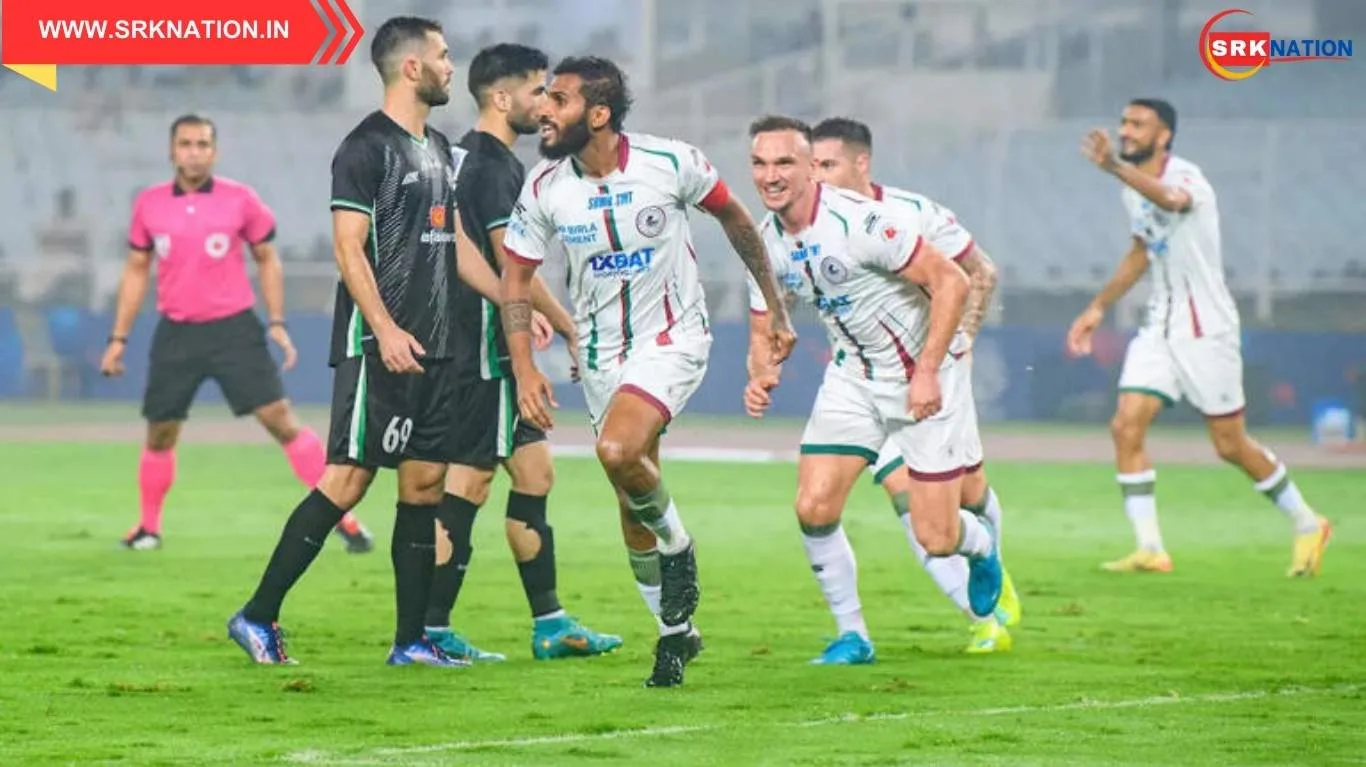
The All India Football Federation (AIFF) finds itself in a financial crisis, with reports confirming that the governing body has been left with no funds to own and operate India’s top-tier football league. This development has sent shockwaves across the sporting community, raising serious concerns about the future of Indian football, the sustainability of its domestic competitions, and the credibility of its governing structures.
Background of the Crisis
- The AIFF has historically been responsible for overseeing football operations in India, including the management of leagues, grassroots programs, and national teams.
- Financial mismanagement, lack of sponsorships, and mounting operational costs have left the federation struggling to sustain its premier league.
- The federation’s inability to generate revenue through broadcasting rights, sponsorship deals, and ticket sales has further deepened the crisis.
- With no funds available, AIFF is now dependent on external stakeholders, private investors, and government support to keep the league alive.
Key Highlights of AIFF’s Financial Struggles
| Indicator | Details |
|---|---|
| Governing Body | All India Football Federation (AIFF) |
| Crisis | No funds to operate top-tier league |
| Causes | Financial mismanagement, lack of sponsorship, rising costs |
| Impact | Threat to league sustainability and player development |
| Broader Implication | Questions about governance and future of Indian football |
Impact of AIFF’s Financial Crisis
| Factor | Positive Impact | Challenges | Long-Term Implication |
|---|---|---|---|
| Governance | Opportunity for reforms | Loss of credibility | Need for structural overhaul |
| League Operations | Chance for private investment | Risk of suspension | Redefinition of ownership model |
| Player Development | Push for grassroots focus | Lack of funding for academies | Decline in talent pipeline |
| Fan Engagement | Increased debate on football’s future | Disappointment among supporters | Reduced trust in institutions |
| National Football Growth | Scope for government intervention | Risk of stagnation | Delay in India’s global ambitions |
Why This Crisis Matters
- League Sustainability: The top-tier league is the backbone of Indian football, and its collapse would cripple the sport.
- Player Careers: Hundreds of players depend on the league for livelihood and exposure.
- Fan Base: Football fans across India are deeply invested in the league, and uncertainty could erode support.
- Global Standing: India’s ambitions to rise in global football rankings are jeopardized by domestic instability.
- Governance Accountability: The crisis highlights the urgent need for transparency and reforms in AIFF’s financial management.
Causes of the Financial Breakdown
| Attribute | Details |
|---|---|
| Sponsorship Decline | Major sponsors withdrew due to poor returns |
| Broadcasting Challenges | Limited viewership and weak broadcasting deals |
| Rising Costs | Operational expenses outpaced revenue |
| Governance Issues | Lack of transparency and accountability |
| Market Competition | Cricket’s dominance overshadowed football investments |
The combination of these factors has left AIFF unable to sustain its premier competition.
Expert Opinions
- Sports Economists: Stress the need for AIFF to adopt sustainable revenue models.
- Football Analysts: Warn that the collapse of the league could derail India’s footballing ambitions.
- Fans: Express frustration over mismanagement and demand accountability.
- Policy Makers: Suggest government intervention to stabilize the sport.
Challenges Ahead
- League Continuity: Ensuring that the top-tier competition does not collapse.
- Financial Transparency: Rebuilding trust through clear financial disclosures.
- Talent Development: Maintaining academies and grassroots programs despite funding shortages.
- Global Partnerships: Attracting international investors and sponsors.
- Fan Confidence: Restoring credibility among supporters and stakeholders.
Opportunities Amid the Crisis
- Private Investment: Invite corporate stakeholders to co-own and operate the league.
- Government Support: Seek financial aid and policy backing from central and state governments.
- Reform Governance: Introduce transparency and accountability in AIFF’s operations.
- Grassroots Focus: Strengthen youth development programs to sustain talent pipelines.
- Digital Engagement: Leverage online platforms to boost fan engagement and sponsorships.
Broader Context of Indian Football
- Football in India has long struggled to compete with cricket for sponsorships and viewership.
- Despite growing fan bases in states like Kerala, West Bengal, and Goa, financial sustainability remains elusive.
- The AIFF’s crisis reflects broader challenges in sports governance across India.
- Without immediate reforms, India’s dream of becoming a football powerhouse could remain unfulfilled.
Public Sentiment
- Fans expressed disappointment and anger at AIFF’s inability to manage finances.
- Social media debates highlighted calls for reforms and accountability.
- Players voiced concerns about their careers and the future of the league.
- Overall sentiment remains critical, with demands for immediate action to save Indian football.
Conclusion
The AIFF’s financial collapse, leaving it with no money to own and operate India’s top-tier football league, marks a turning point in the country’s sporting landscape. The crisis threatens the sustainability of the league, the careers of players, and the trust of fans. While challenges such as sponsorship decline and governance issues remain, opportunities for reform, private investment, and government support could revive Indian football. The situation serves as a wake-up call for transparency, accountability, and long-term planning in sports governance.
Disclaimer
This article is intended for informational purposes only and does not constitute official financial or policy advice. Statements, public sentiments, and organizational decisions are subject to change based on evolving circumstances. Readers are encouraged to follow official updates for accurate information. The author and publisher are not responsible for any decisions made based on this article.