





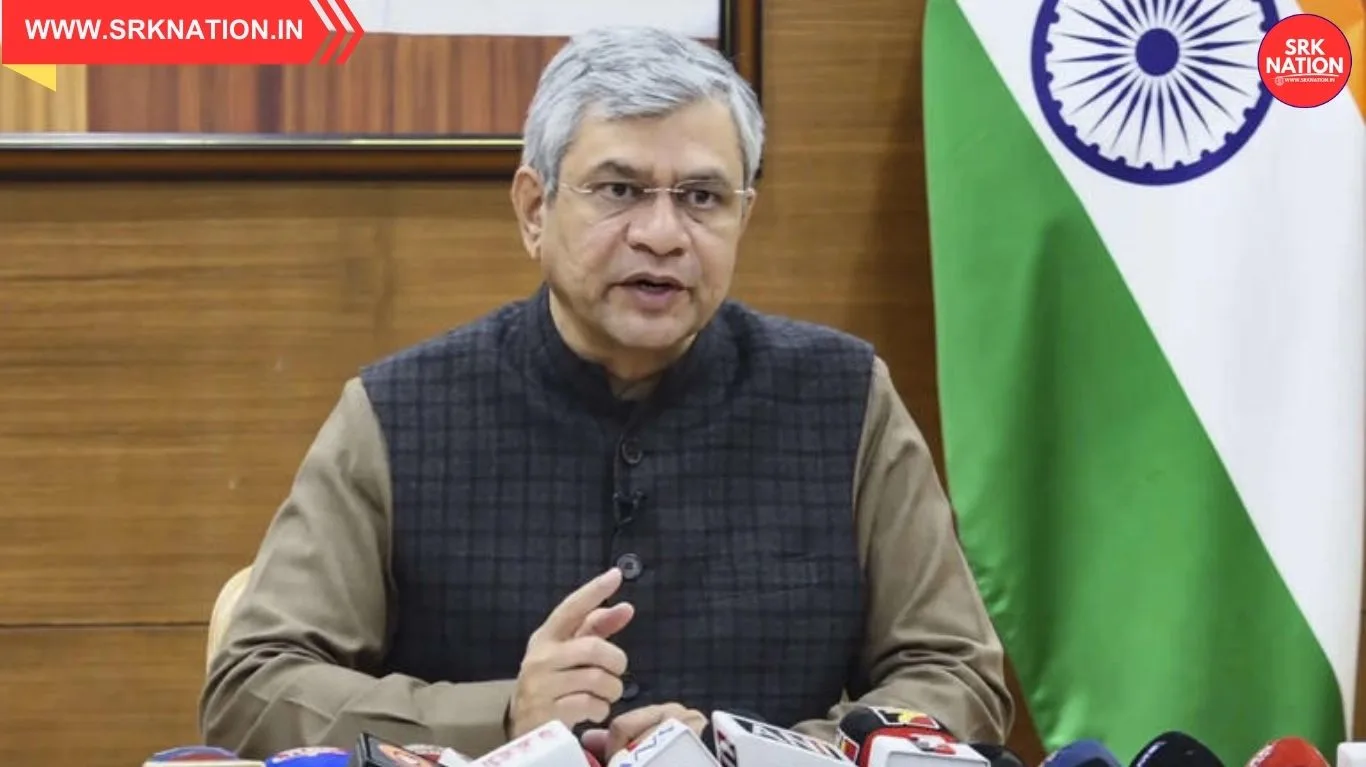
India is planning to take a crucial rail corridor underground in the strategically sensitive Siliguri Corridor, popularly known as the “chicken’s neck”, amid rising security concerns. This narrow stretch of land in West Bengal connects mainland India to its northeastern states and is considered one of the most vulnerable geopolitical chokepoints in South Asia.
Strategic Importance of the Siliguri Corridor
The Siliguri Corridor is only about 22 kilometers wide at its narrowest point, making it highly susceptible to external threats. It connects the northeastern states to the rest of India and lies close to international borders with Nepal, Bhutan, Bangladesh, and China.
Key features:
- Acts as the lifeline for northeastern India.
- Hosts critical road and rail infrastructure.
- Vulnerable to military and geopolitical threats.
- Essential for trade and civilian movement.
Government’s Underground Rail Corridor Plan
The proposed underground rail corridor aims to:
- Enhance Security: Reduce vulnerability to external threats.
- Ensure Continuity: Provide uninterrupted connectivity even during crises.
- Modernize Infrastructure: Introduce advanced engineering solutions.
- Boost Regional Development: Strengthen economic integration of the northeast.
| Project Component | Details |
|---|---|
| Location | Siliguri Corridor (West Bengal) |
| Type | Underground rail corridor |
| Purpose | Secure connectivity to northeast |
| Benefits | Safety, resilience, modernization |
Why Underground Infrastructure?
- Protection from External Threats: Underground corridors are less exposed to aerial or artillery attacks.
- Climate Resilience: Shielded from floods and extreme weather.
- Operational Continuity: Ensures movement of goods, military supplies, and civilians.
- Strategic Advantage: Adds depth to India’s defense preparedness.
Comparative Analysis of Strategic Corridors
| Corridor | Country | Strategic Role | Vulnerability |
|---|---|---|---|
| Siliguri Corridor | India | Connects northeast | High |
| Fulda Gap | Germany (Cold War era) | NATO defense line | Moderate |
| Wakhan Corridor | Afghanistan | Buffer zone | High |
| Panama Canal | Panama | Global trade route | Moderate |
India’s move to secure the Siliguri Corridor mirrors global practices of fortifying vulnerable chokepoints.
Political and Public Reactions
- Government Leaders: Emphasized the importance of safeguarding national security.
- Defense Analysts: Welcomed the move as a proactive step in strategic planning.
- Local Communities: Expressed hope that the project will also bring economic opportunities.
- Opposition Parties: Called for transparency in project costs and environmental impact assessments.
Implications for Northeast India
- Economic Growth: Improved connectivity will boost trade and tourism.
- Security Assurance: Northeastern states will feel more integrated and protected.
- Infrastructure Development: Potential for new investments in rail, road, and digital networks.
- Social Impact: Enhanced mobility for students, workers, and healthcare access.
Challenges Ahead
- High Costs: Underground corridors require significant investment.
- Engineering Complexity: Terrain and soil conditions pose challenges.
- Environmental Concerns: Need to balance development with ecological preservation.
- Diplomatic Sensitivity: Project lies close to multiple international borders.
Conclusion
The headline “Amid Threats to ‘Chicken’s Neck’, India to Take Rail Corridor Underground” reflects a landmark decision in India’s strategic infrastructure planning. By securing the Siliguri Corridor through underground rail development, India aims to safeguard its northeastern lifeline, strengthen national security, and modernize connectivity.
This project underscores the government’s commitment to balancing defense preparedness with regional development, ensuring that the northeast remains firmly connected to the rest of the country despite geopolitical challenges.
Disclaimer
This article is intended for informational and analytical purposes only. It reflects current policy discussions and perspectives within India’s strategic infrastructure planning. The content does not represent official statements from the Government of India, the Ministry of Railways, or the Ministry of Defence. Readers should verify facts through authoritative sources before drawing conclusions.