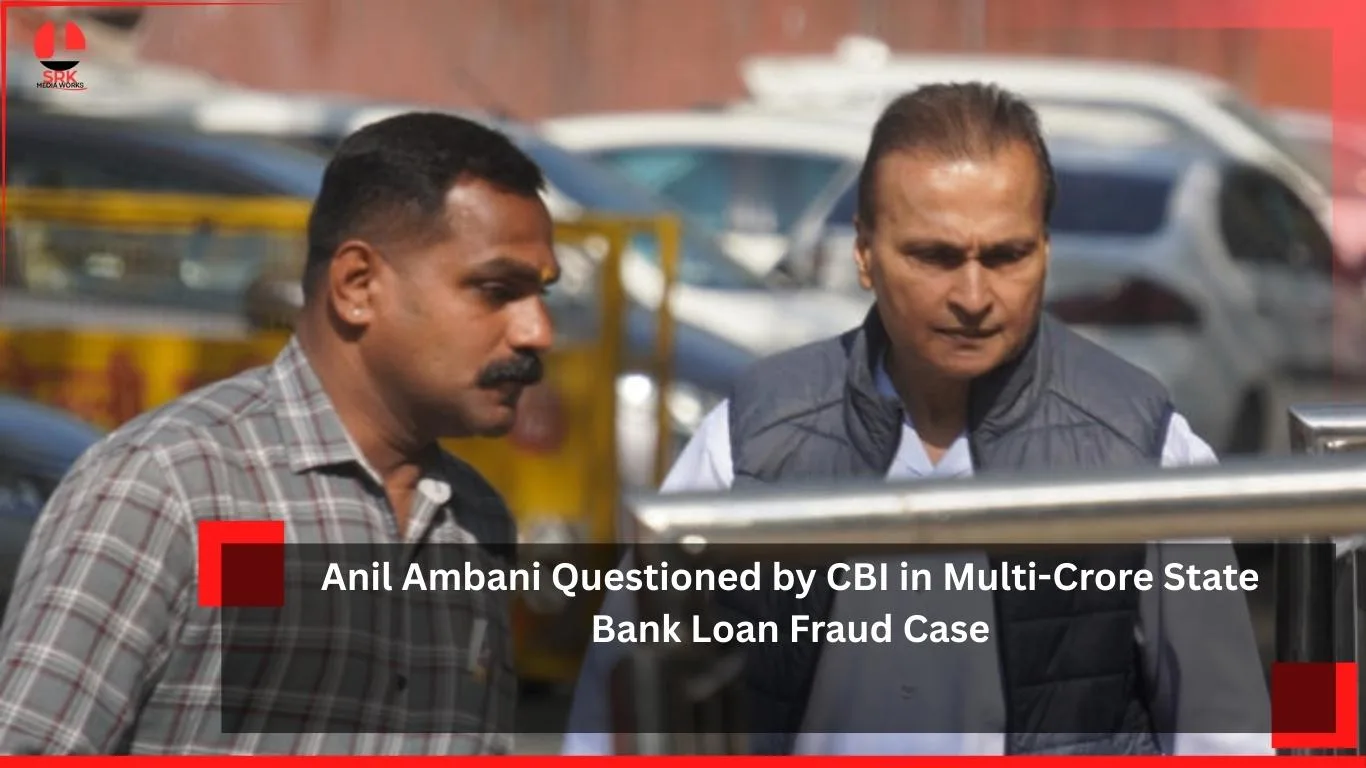






In a sensational development that has sent shockwaves across India’s corporate and financial sectors, the Central Bureau of Investigation (CBI) has named Jai Anmol Ambani, son of industrialist Anil Ambani, in connection with an alleged Rs 228 crore banking fraud case. The case, which involves accusations of cheating and financial misrepresentation, has reignited debates about corporate governance, accountability, and the role of high-profile business families in India’s financial ecosystem.
Key Highlights
- CBI books Jai Anmol Ambani in Rs 228 crore banking fraud case.
- Allegations include cheating, misrepresentation, and diversion of funds.
- Case adds to challenges faced by Anil Ambani-led Reliance Group.
- Investigation focuses on transactions linked to financial institutions.
- Political and public debates intensify over corporate accountability.
Background of the Case
The complaint leading to the CBI’s action reportedly involves allegations of financial irregularities and misrepresentation by Jai Anmol Ambani. According to sources, the transactions in question allegedly resulted in losses amounting to Rs 228.06 crore for the complainant financial institution.
Jai Anmol Ambani, who has served as a director in several Reliance Group companies, is now under the scanner for his role in the alleged irregularities. The CBI’s move comes at a time when the Anil Ambani-led Reliance Group has already been grappling with mounting debt and legal challenges.
Statistical Overview of Reliance Group’s Financial Challenges
| Year | Key Event | Financial Impact | Market Reaction |
|---|---|---|---|
| 2018 | Debt restructuring announced | Rs 45,000 crore debt burden | Negative |
| 2019 | Anil Ambani questioned in debt default cases | Rs 12,000 crore defaults | Investor panic |
| 2021 | Legal disputes with lenders | Rs 20,000 crore claims | Stock decline |
| 2023 | Asset sales to reduce debt | Rs 10,000 crore raised | Temporary relief |
| 2025 | CBI books Jai Anmol Ambani | Rs 228 crore alleged fraud | Reputational damage |
Implications of CBI Action
| Factor | Impact on Jai Anmol Ambani | Impact on Reliance Group | Impact on Corporate India |
|---|---|---|---|
| Legal scrutiny | Faces investigation, possible trial | Adds to group’s challenges | Signals stricter enforcement |
| Financial credibility | Reputation at stake | Investor confidence shaken | Raises governance concerns |
| Public perception | Negative media coverage | Brand image suffers | Highlights accountability |
| Long-term outlook | Legal battles ahead | Potential restructuring | Push for transparency reforms |
Why This Case Matters
- High-Profile Target: Jai Anmol Ambani’s involvement highlights the risks faced by business families under scrutiny.
- Corporate Governance: The case underscores the importance of transparency and accountability in financial dealings.
- Investor Confidence: Allegations of fraud can erode trust in companies linked to the Ambani family.
- Legal Precedent: The CBI’s action may set a precedent for stricter enforcement against corporate fraud.
Expert Views
Legal experts note that the case could have far-reaching implications for corporate governance in India. They argue that high-profile investigations serve as a deterrent against financial mismanagement. Economists warn that reputational damage could affect investor sentiment, particularly in companies associated with the Reliance Group.
Public and Political Reactions
The news has sparked widespread debate on social media, with many questioning the accountability of business families. Political leaders have called for a fair investigation, while critics argue that corporate fraud cases often drag on without resolution. Public sentiment reflects frustration at the perceived lack of accountability among India’s elite.
Historical Context
The Ambani family has long been at the center of India’s corporate landscape. While Mukesh Ambani’s Reliance Industries has thrived, Anil Ambani’s Reliance Group has faced mounting debt and legal challenges. The booking of Jai Anmol Ambani adds a new dimension to the family’s corporate saga, highlighting the divergent fortunes of the two brothers’ empires.
Extended Analysis
The case reflects broader themes in India’s corporate environment:
- Accountability: Growing demand for transparency in financial dealings.
- Regulatory Oversight: Strengthening of institutions like the CBI in tackling corporate fraud.
- Investor Protection: Ensuring that shareholders are safeguarded against mismanagement.
- Reputational Risks: High-profile families face greater scrutiny in the age of social media.
For Jai Anmol Ambani, the case represents a personal and professional challenge. For the Reliance Group, it adds to ongoing struggles with debt and credibility. For India, it underscores the importance of corporate governance reforms.
Conclusion
The CBI’s decision to book Jai Anmol Ambani over alleged cheating of Rs 228 crore marks a significant moment in India’s corporate history. The case highlights the growing scrutiny of high-profile business families and the importance of transparency in financial dealings. As the investigation unfolds, its impact will be felt not only by the Ambani family but also across India’s corporate landscape.
Disclaimer
This article is based on publicly available reports, expert commentary, and industry analysis. It is intended for informational and editorial purposes only, offering insights into the CBI’s action against Jai Anmol Ambani and its implications for corporate governance and investor confidence.